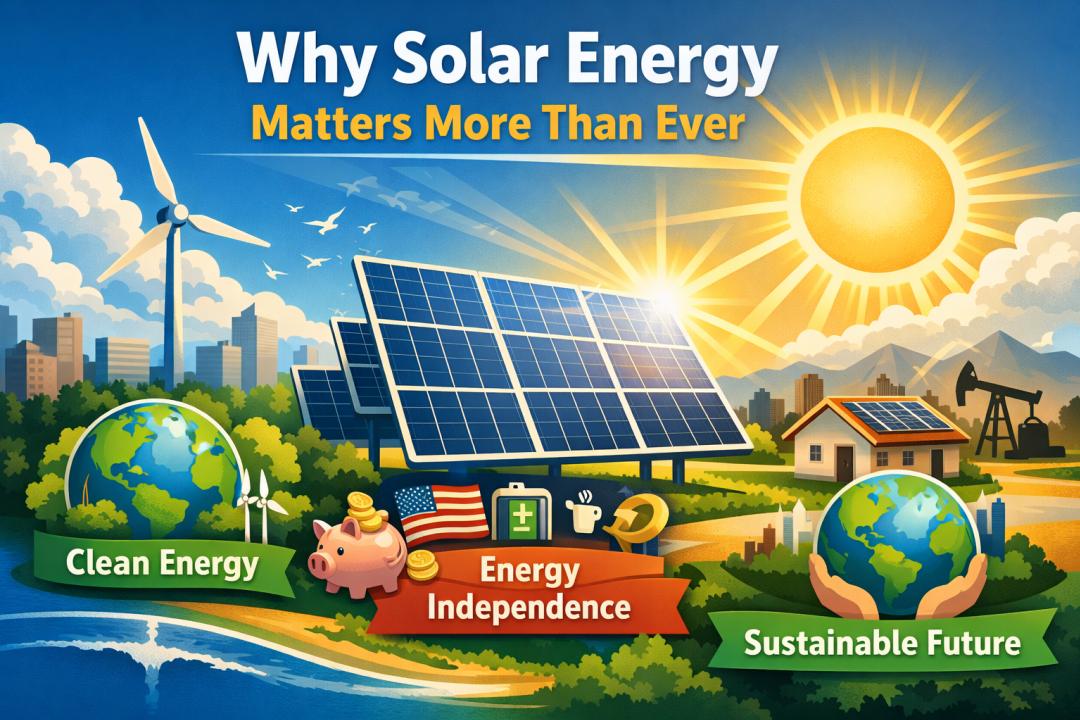
Solar energy has quietly moved from a niche alternative to a mainstream power source across the world. Rising electricity costs, climate concerns, and advances in technology have pushed many households and businesses to look up—literally—at the sun as a reliable source of power. What once felt futuristic is now a practical, everyday solution.
This article explains how solar energy is generated, breaking the science into simple, relatable ideas. It also looks honestly at the advantages and disadvantages of solar power, so you can understand where it shines and where it still struggles. Whether you are considering installing solar panels or just want to understand renewable energy better, this guide is designed for clarity, not complexity.
How Solar Energy Is Generated
At its core, solar energy generation is about capturing sunlight and turning it into usable energy. There are two main methods used today: photovoltaic (PV) systems and solar thermal systems. Both rely on the sun, but they work in different ways.
1. Photovoltaic (PV) Systems: Turning Light into Electricity
Photovoltaic systems are the most common type of solar technology you see on rooftops. These systems use solar panels made of special materials (usually silicon) that react when sunlight hits them. Think of it like sunlight knocking on a door and electrons inside the panel rushing to answer.
When sunlight strikes the panel, it creates a small electric current. This electricity is direct current (DC), which is not what most homes use. An inverter then converts it into alternating current (AC), the form of electricity that powers lights, fans, TVs, and appliances. From there, the electricity is either used immediately, stored in batteries, or sent back to the grid.
2. Solar Thermal Systems: Capturing Heat from the Sun
Solar thermal systems work differently. Instead of producing electricity directly, they capture heat from the sun. Imagine leaving a black water pipe in the sun and noticing how hot it gets—that basic idea is solar thermal energy at work.
These systems use mirrors or collectors to concentrate sunlight and generate heat. That heat can warm water for homes or produce steam that drives turbines to generate electricity in large power plants. Solar thermal is especially effective in areas with strong, consistent sunlight and is often used on an industrial or utility scale.
Advantages of Solar Energy
Solar energy offers several strong benefits, which explains why adoption is growing worldwide. Below are some of the most important advantages, explained in simple terms.
1. Renewable and Abundant
The sun is not running out anytime soon. As long as the sun shines, solar energy remains available. Unlike fossil fuels, which are finite and deplete over time, solar power is a long-term solution.
This makes solar energy especially attractive for future planning. Once installed, systems can generate electricity for decades using a resource that is completely free and naturally replenished.
2. Reduces Electricity Bills
One of the most immediate benefits people notice is a lower electricity bill. When you generate your own power, you buy less from the grid. In some systems, excess electricity can even be sent back to the grid, further reducing costs.
Over time, these savings can offset the initial investment. For households with high daytime electricity usage, the financial impact can be significant.
3. Environmentally Friendly
Solar energy produces electricity without burning fuel. This means no smoke, no greenhouse gases, and no air pollution during operation. Compared to coal or diesel-based power, the environmental footprint is dramatically lower.
By switching to solar, users indirectly reduce carbon emissions and contribute to cleaner air and a healthier environment. This is one of solar energy’s strongest advantages.
4. Low Operating and Maintenance Costs
Once installed, solar systems require very little maintenance. There are no moving parts in standard PV panels, which reduces wear and tear. Occasional cleaning and periodic inspections are usually enough.
Inverters may need replacement after several years, but overall maintenance costs remain low compared to other energy systems. This reliability makes solar a “set it and forget it” solution for many users.
5. Scalable and Flexible
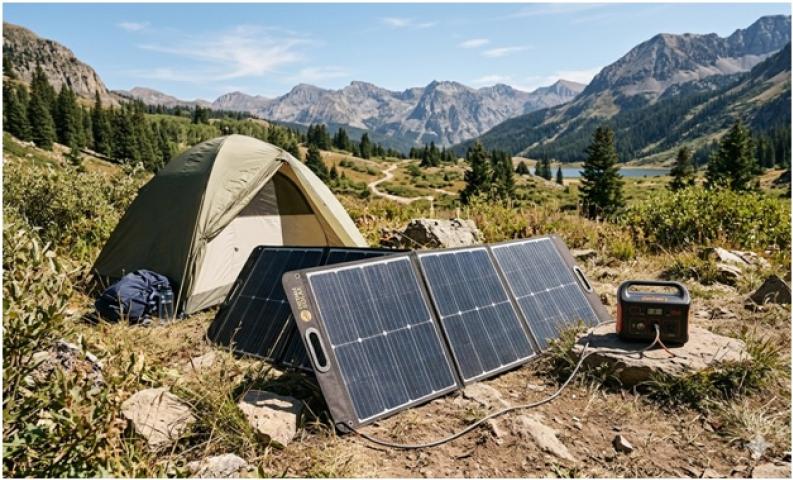
Solar energy systems are highly scalable. You can start small with a few panels and expand later if your energy needs increase. Solar can power a single lamp, a home, or an entire industrial facility.
This flexibility allows solar power to be used in remote villages, urban homes, commercial buildings, and large power plants. Few energy sources offer this level of adaptability.
Disadvantages of Solar Energy
Despite its benefits, solar energy is not perfect. Understanding its limitations is essential for making realistic decisions.
1. Weather and Sunlight Dependent
Solar energy production depends on sunlight. On cloudy days, rainy seasons, or during nighttime, energy generation drops or stops completely. This variability makes solar less predictable than conventional power sources.
While modern systems still generate some power in low light, output is not consistent. This is why solar often works best when combined with grid power or storage solutions.
2. High Initial Installation Cost
The upfront cost of installing solar panels, inverters, and mounting structures can be high. Although prices have dropped significantly over the years, the initial investment remains a barrier for many households.
Government subsidies and long-term savings help balance this cost, but payback periods vary depending on location, energy usage, and system size.
3. Space Requirements
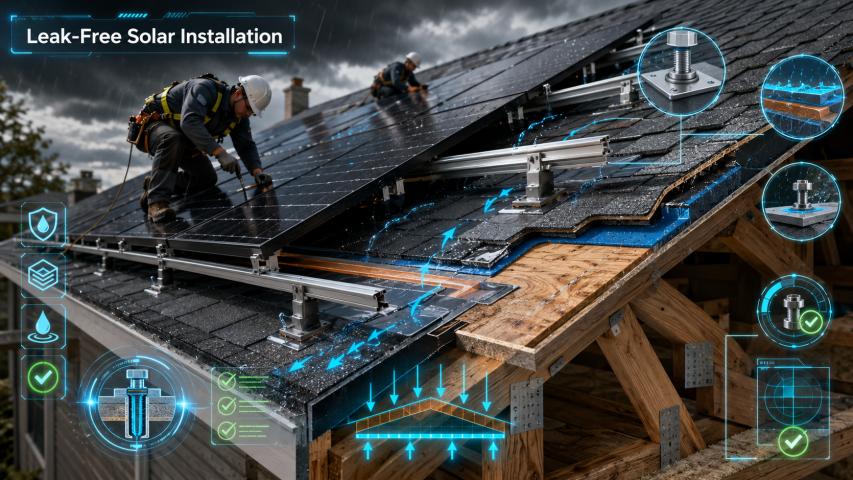
Solar panels require space, especially for higher energy generation. Rooftops must have enough area and the right orientation to capture sunlight effectively. Not all buildings meet these conditions.
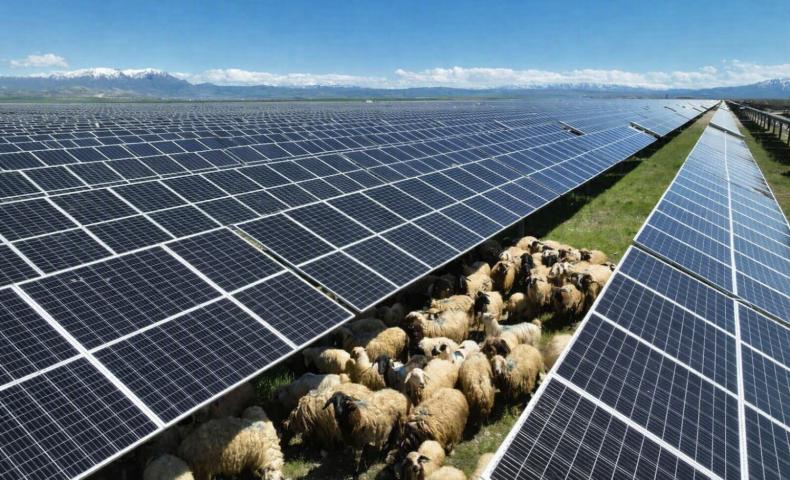
For large-scale solar farms, land availability becomes a concern. This can limit where solar installations are practical.
4. Energy Storage Challenges
Solar energy is generated during the day, but electricity is often needed at night. Batteries solve this problem, but they add cost and complexity. Battery storage systems are still relatively expensive and have limited lifespans.
Without storage, users must rely on the grid when solar production stops. This reduces energy independence unless batteries are included.
5. Environmental Impact of Manufacturing
While solar panels are clean during operation, their manufacturing process does have environmental impacts. Mining raw materials, energy use in factories, and waste management all contribute to pollution.
These impacts are significantly lower than fossil fuel emissions over a system’s lifetime, but they are not zero. Recycling and improved manufacturing methods are still developing areas.
Conclusion: A Bright but Balanced Future
Solar energy is not a perfect solution, but it is one of the most promising tools available for a sustainable future. It offers clean, renewable power with long-term financial and environmental benefits. At the same time, challenges like storage, upfront cost, and weather dependence cannot be ignored.
As technology improves and costs continue to fall, solar energy is becoming more accessible and efficient. When combined with smart grids, better batteries, and supportive policies, solar power has the potential to play a central role in global energy systems. The sun rises every day—learning how to use its power wisely may shape the future of energy for generations to come.