The way students learn science has changed dramatically over the past decade. With advancements in digital education, complex subjects like advanced chemistry are no longer confined to traditional laboratories and lecture halls. Virtual classrooms now offer flexible, interactive, and highly effective learning environments that cater to diverse student needs. From immersive simulations to global collaboration, online chemistry education is reshaping how learners engage with challenging scientific concepts.
Evolution of Chemistry Education in the Digital Age
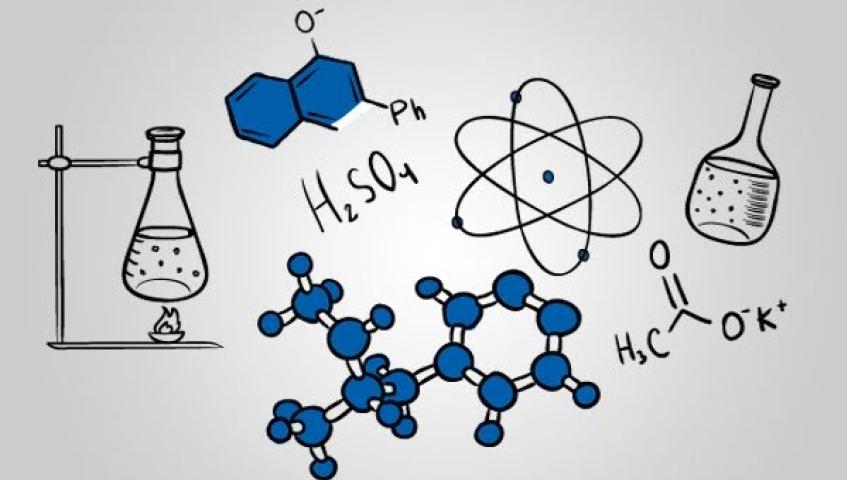
Chemistry has long been considered a subject that requires hands-on experimentation and in-person instruction. However, technological innovation has transformed this perception. Virtual learning platforms now provide interactive tools, video demonstrations, and simulated lab environments that replicate real-world experiments with impressive accuracy.
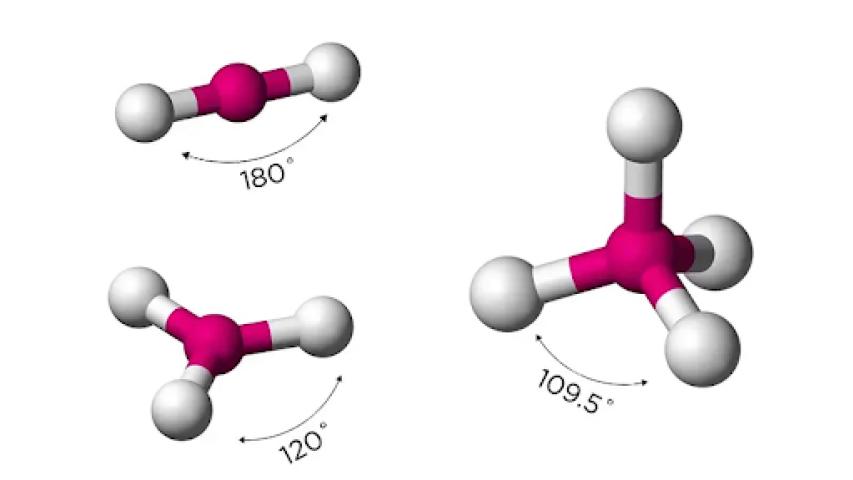
Students can visualize molecular structures, observe reaction mechanisms, and analyze chemical data using advanced software. These digital resources enhance conceptual understanding and make complex topics more accessible, even for learners who previously struggled with traditional teaching methods.
Flexibility and Accessibility for Modern Learners
One of the most significant advantages of virtual chemistry education is flexibility. Students can access lectures, assignments, and study materials anytime and from anywhere. This is especially beneficial for working professionals, international students, and those balancing multiple commitments.
A well-structured organic chemistry online course allows learners to progress at their own pace while revisiting difficult concepts as needed. Recorded lectures, downloadable notes, and interactive quizzes ensure that students remain engaged without the pressure of fixed classroom schedules.
Enhanced Understanding Through Visual Learning Tools
Advanced chemistry concepts often involve abstract ideas such as electron movement, molecular orbitals, and reaction pathways. Virtual classrooms excel at presenting these concepts visually through animations, 3D models, and interactive diagrams.
These tools help students develop a deeper understanding of chemical processes that are difficult to observe in physical labs. Visual learning not only improves comprehension but also boosts retention, making it easier for students to apply knowledge during exams or researchs research projects.
Virtual Laboratories and Safe Experimentation
Virtual labs have revolutionized chemistry education by offering realistic experimental experiences without safety risks. Students can conduct experiments, manipulate variables, and observe outcomes in a controlled digital environment.
This approach eliminates concerns related to hazardous chemicals, expensive equipment, and limited lab access. Learners gain confidence by practicing experiments multiple times, reinforcing theoretical knowledge through practical application without fear of mistakes or accidents.
Personalized Learning Experiences
Online chemistry platforms often use adaptive learning technologies to personalize education. These systems analyze student performance and tailor content to individual learning >
Students who master topics quickly can move ahead, while those needing additional support receive targeted practice and explanations. A comprehensive organic chemistry online course often includes personalized assessments, progress tracking, and feedback mechanisms that promote continuous improvement.
Global Collaboration and Peer Interaction
Virtual classrooms connect students from different parts of the world, creating diverse learning communities. Discussion forums, group projects, and live sessions encourage collaboration and idea-sharing among peers with varied academic and cultural backgrounds.
This global exposure enhances critical thinking and broadens perspectives. Students learn how chemistry is applied across industries and regions, preparing them for international academic and professional environments.
Cost-Effectiveness and Resource Efficiency
Traditional chemistry education often involves high costs related to lab equipment, textbooks, and commuting. Virtual learning significantly reduces these expenses. Most online platforms provide digital resources, simulations, and study materials at a fraction of the cost of physical alternatives.
Additionally, students save time and money by eliminating travel and accommodation expenses. This affordability makes advanced chemistry education accessible to a broader audience, regardless of geographical or financial constraints.
Continuous Assessment and Immediate Feedback
Online chemistry courses often incorporate frequent assessments such as quizzes, assignments, and interactive exercises. These evaluations provide immediate feedback, allowing students to identify strengths and areas for improvement quickly.
Continuous assessment helps reinforce learning and prevents knowledge gaps from accumulating. Instant feedback also keeps students motivated and engaged, as they can track progress in real time.
Skill Development Beyond Chemistry
Studying advanced chemistry in a virtual environment fosters valuable transferable skills. Students develop digital literacy, time management, self-discipline, and problem-solving abilities.
Navigating online platforms, collaborating remotely, and managing independent study schedules prepares learners for modern scientific careers, where digital tools and remote collaboration are increasingly common.
Preparation for Higher Education and Careers
Virtual chemistry education equips students with strong foundational knowledge and practical skills needed for advanced studies and professional roles. Many online programs align with university curricula and industry standards, ensuring academic credibility.
Graduates are well-prepared for careers in pharmaceuticals, biotechnology, environmental science, education, and research. Exposure to digital tools and data analysis methods also enhances employability in technology-driven scientific fields.
Overcoming Learning Barriers Through Technology
Virtual classrooms break down traditional barriers to education, such as location, physical limitations, and resource shortages. Students with disabilities or limited access to quality institutions can benefit greatly from online chemistry programs.
Accessible content formats, adjustable learning speeds, and inclusive design ensure that advanced chemistry education is available to all motivated learners.
Future of Advanced Chemistry Education
As technology continues to evolve, virtual chemistry education will become even more immersive and effective. Innovations such as augmented reality, artificial intelligence, and virtual reality labs promise deeper engagement and enhanced learning outcomes.
Institutions and educators are increasingly recognizing the value of digital platforms in delivering high-quality chemistry education that meets the demands of a rapidly changing world.
Conclusion
Studying advanced chemistry in a virtual classroom offers a powerful combination of flexibility, accessibility, and academic excellence. Through interactive tools, personalized learning, and global collaboration, students gain a deeper understanding of complex concepts while developing essential skills for future success. As digital education continues to advance, virtual chemistry learning stands as a practical and effective pathway for aspiring scientists and professionals alike.