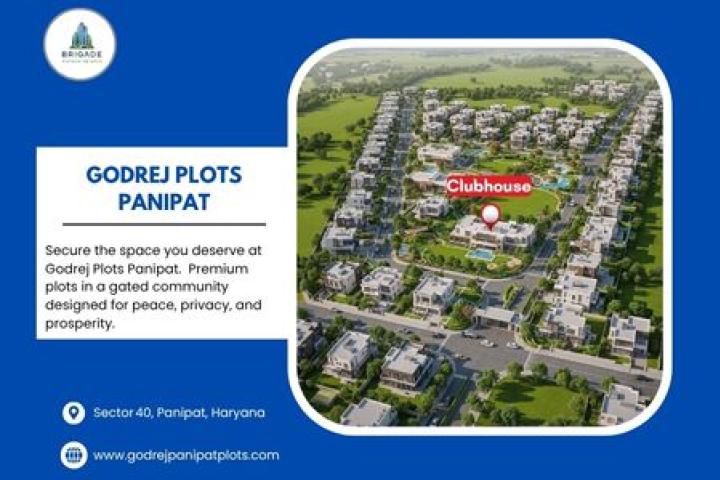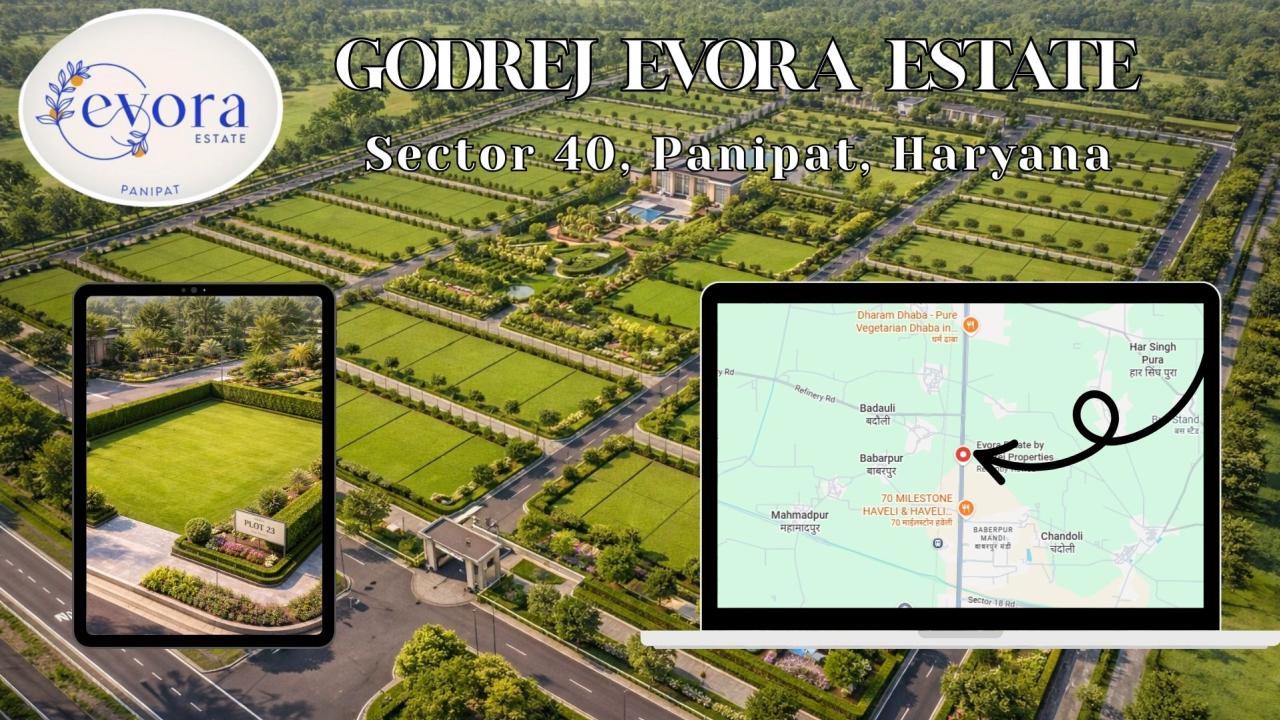
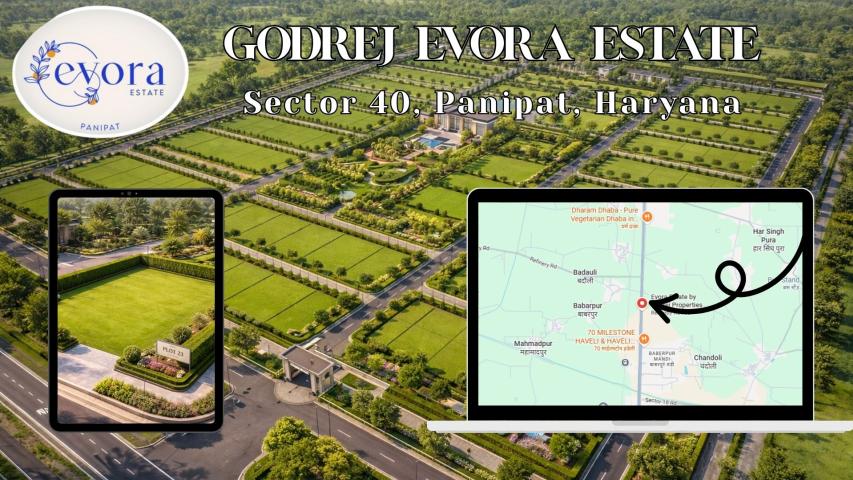
The Godrej plots project at Panipat has now entered a clearer phase of understanding after the official naming as Godrej Evora Estate and the confirmation of its plotted township format. Many readers who earlier evaluated the project through an end-user versus investor lens now look for deeper clarity around development status, land planning, and long-term suitability. The discussion below revisits the opportunity with updated context, while keeping expectations realistic since the township remains under development and no residential occupation has started yet.
Understanding the Project Stage and Planning Vision
A plotted development carries a different rhythm when compared with ready apartments, and that distinction matters greatly while evaluating Godrej Plots Panipat. The project currently remains open for booking, while internal infrastructure such as roads, services, and amenities continue to be planned and executed in phases. No constructed residences exist at this stage, which means decisions depend more on trust, layout clarity, and future livability rather than visual readiness.
The project follows a township master plan, carefully balancing wide internal roads with organized plots and amenity zones. This layout attracts buyers who prioritize design freedom and gradual financial commitment. However, because of this comprehensive development model, the timeline may be longer than that of a move-in-ready property, despite the increased security it offers.
Location Context and Daily Practicality
The location near NH-44 positions Godrej Panipat plots within a steadily evolving belt of Haryana. Panipat already carries industrial and textile relevance, while road connectivity toward Delhi and Karnal supports both daily living and investment logic. Practicality matters for end users, even though current surroundings still show a developing character rather than a finished urban neighborhood.
Social infrastructure such as schools, hospitals, and retail zones exist within driving distance, while future growth remains linked to planned sector development. Connectivity works smoothly for weekend travel and professional movement, although daily long-distance commuting may feel demanding for some households. As a result, location suitability depends strongly on personal priorities and routines rather than headline distance alone.
End-User View: Living With Time and Vision
End users usually focus on comfort, safety, and long-term satisfaction, and plotted developments require thoughtful patience. In this case, living within Godrej Evora Estate remains a future-oriented decision rather than an immediate way of life shift. Construction timelines, self-built home planning, and phased infrastructure delivery influence everyday planning.
Key considerations for end users include:
- Residential freedom through independent home construction, designed beautifully and customized carefully
- Professionally planned communal living within a gated plotted format
- Lower density compared to vertical housing, which supports quieter surroundings
- A longer waiting period before actual residence, which demands financial and emotional readiness
The experience suits households that plan calmly and value control over design, even though immediate habitation does not exist yet.
Investor View: Risk, Patience, and Market Direction
Investment thinking often works differently, especially in plotted townships launched by reputed national developers such as Godrej Properties. Entry pricing during early development phases often appears more accessible, while appreciation potential depends on infrastructure completion and city-level demand.
From an investor angle, several aspects stand out:
- Brand-backed plotted inventory often attracts resale interest once infrastructure becomes visible
- Capital appreciation usually unfolds gradually rather than sharply
- Liquidity depends on market sentiment during possession-ready phases
- Holding periods tend to extend longer than apartment investments
Market movement in Panipat, Haryana shows steady but realistic growth, which supports patient investment strategies rather than short-term speculation.
Key Differences at a Glance
A clear comparison helps align expectations before committing funds, especially while the project remains under development.
- End users focus on daily living preferences, space usage, and long-term comfort.
- Investors focus on timing, resale demand, and infrastructure milestones
- Construction responsibility rests with plot holders, not the developer
- Returns depend on city growth and township maturity rather than rental yield
- Risk feels lower for long-term planners, while short-term gains remain uncertain
As a result, decision clarity improves when objectives stay clearly defined from the beginning.
Development Status and What It Means
The project status remains under active development, with land planning, approvals, and township infrastructure progressing. Booking availability exists, although physical habitation will only become possible after roads, services, and possession milestones are completed. Transparency around timelines becomes essential, and informed buyers usually monitor official updates rather than marketing timelines alone.
The development stage suits people who plan gradually and allocate funds thoughtfully, even though immediate use remains unavailable.
Conclusion
A plotted township such as Godrej Plots Panipat, now recognized as Godrej Evora Estate, represents a long-vision opportunity shaped by patience, planning discipline, and realistic expectations. End users gain creative freedom and future-ready living potential, while investors gain exposure to an emerging market supported by brand credibility. The decision feels most rewarding when time horizons align naturally with the development journey, since value creation unfolds steadily rather than instantly.