A bright, healthy smile starts with
good oral hygiene, and one of the most basic tools in your dental care routine
is your toothbrush. Yet, despite its importance, many people underestimate the
role of their toothbrush in maintaining oral health. One common question that
confuses many is: How often should you change your toothbrush? The
answer may surprise you.
In this comprehensive guide, we’ll
break down why changing your toothbrush regularly is crucial, the signs that
indicate it’s time for a new one, and tips from experts, including top dentist in Noida, to keep your smile in tip-top shape.
Why
Your Toothbrush Is More Important Than You Think
Your toothbrush is your first line
of defense against plaque, cavities, and gum disease. Brushing correctly
removes food particles and bacteria from your teeth and gums, preventing oral
health problems. But even the best brushing technique can be ineffective if
your toothbrush is old or worn out.
Over time, toothbrush bristles
become frayed and less effective at cleaning. Additionally, bacteria can
accumulate on your toothbrush, especially if it’s stored in a damp environment.
Studies show that harmful microbes, including bacteria and fungi, can linger on
bristles, potentially reintroducing germs into your mouth.
Regularly changing your toothbrush
isn’t just about hygiene—it’s about preventing dental issues before they start.
This is why dental professionals, including those at reputable dental clinics in Noida, stress the importance of replacing your toothbrush
periodically.
How
Often Should You Change Your Toothbrush?
The general recommendation from
dentists worldwide is to replace your toothbrush every three to four months.
However, there are certain conditions that may require more frequent
replacement:
- Frayed Bristles:
If the bristles are bent, splayed, or worn down, they can’t clean your
teeth effectively. Even if it hasn’t been three months, a frayed
toothbrush should be replaced immediately.
- After Illness:
If you’ve had a cold, flu, or any contagious illness, it’s a good idea to
switch to a new toothbrush to avoid reinfection.
- Excessive Use:
Children and adults who brush aggressively or use their toothbrush
multiple times per day may wear out their brush faster.
Interestingly, many people keep
using their toothbrushes far beyond the recommended timeframe. Surveys suggest
that nearly 70% of adults don’t replace their toothbrush often enough,
which can lead to plaque buildup, gum irritation, and even tooth decay.
Signs
It’s Time to Replace Your Toothbrush
Even if you aren’t sure about the
timeline, here are clear signs your toothbrush needs to go:
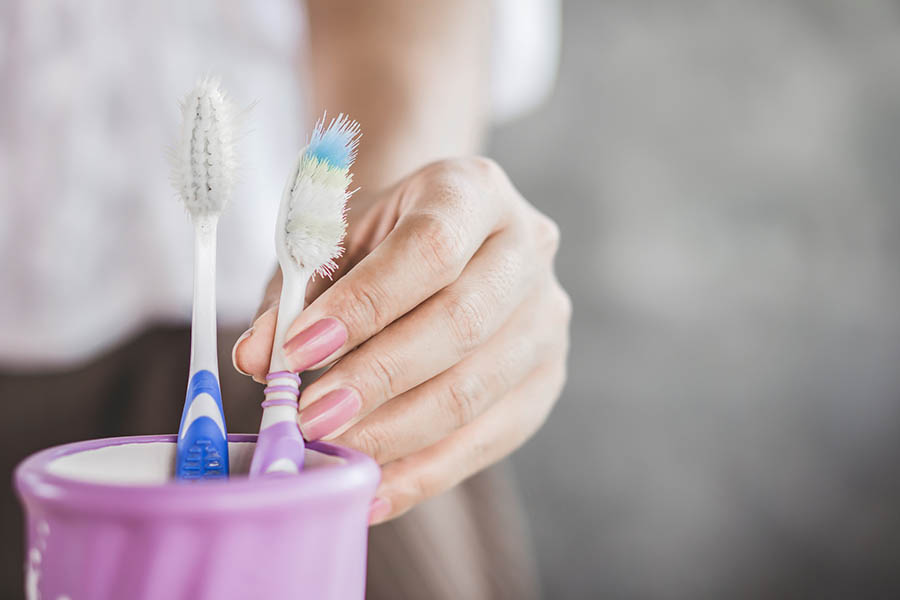
- Worn Bristles:
Frayed, bent, or irregular bristles reduce cleaning efficiency.
- Visible Stains:
Yellow or brown discoloration on bristles can indicate bacterial buildup.
- Odor:
If your toothbrush smells bad even after rinsing, it’s a sign that germs
are multiplying.
- Pain or Bleeding:
If brushing causes discomfort or bleeding, it might be due to old, hard
bristles or a worn brush.
Tip: Dentists in Noida often recommend keeping a spare
toothbrush at home so you can replace your primary one immediately when needed.
Manual
vs. Electric Toothbrushes
Whether you use a manual or electric
toothbrush can influence how often you should replace it.
- Manual Toothbrush:
Usually needs replacement every three months, or sooner if bristles
are worn.
- Electric Toothbrush Heads: Most manufacturers recommend replacing the brush head
every three months, similar to manual brushes. Some electric
toothbrushes even have built-in reminders to alert you when it’s time for
a new head.
Both types are effective when used
properly, but the key is consistent replacement. Skipping this step can negate
the benefits of even the most expensive toothbrush.
How
to Properly Care for Your Toothbrush
Replacing your toothbrush on time is
important, but proper care can extend its effectiveness and reduce bacteria
growth:
- Rinse Thoroughly After Brushing: Remove toothpaste and debris by rinsing under running
water.
- Store Upright:
Keep your toothbrush upright and allow it to air-dry to prevent bacterial
growth. Avoid covering it or storing it in a closed container while wet.
- Avoid Sharing:
Toothbrushes should never be shared, even among family members.
- Keep Away from the Toilet: Flushing can release germs into the air that settle
on your toothbrush. Store it at least 1–2 meters away.
Following these simple hygiene
practices can complement regular replacement and protect your oral health.
Expert
Advice from Dentists in Noida
Leading dentists in Noida
emphasize that toothbrush replacement is just one aspect of overall dental
care. Here’s what they recommend:
- Routine Checkups:
Visit a dental clinic in Noida every six months for professional
cleaning and examination.
- Use Fluoride Toothpaste: Strengthens enamel and prevents cavities.
- Gentle Brushing:
Avoid aggressive brushing, which can wear down enamel and irritate gums.
- Complementary Tools:
Flossing and mouthwash use in addition to brushing improves oral hygiene.
Dr. Amritanshu, a renowned dentist
in Noida, states:
"A toothbrush is your first defense against dental problems, but it’s
only effective when it’s in good condition. Replacing it every three months—or
sooner if worn—is essential for a healthy smile."
Special
Considerations for Children
Children’s toothbrushes require
extra attention. Kids often chew on bristles or brush unevenly, which wears
down brushes faster. Pediatric dentists in Noida recommend changing children’s
toothbrushes every two to three months, or sooner if the bristles look
damaged.
Introducing a fun routine, such as
colorful brushes or brushing charts, encourages kids to take care of their
toothbrush and teeth.
Common
Myths About Toothbrush Replacement
There are several misconceptions that
lead people to keep old toothbrushes longer than they should:
- “My toothbrush still looks fine, so it’s okay to use.”
Even if the bristles appear intact, bacteria can accumulate, reducing effectiveness. - “Electric toothbrushes don’t need replacing.”
The brush head wears out just like a manual brush and must be replaced every three months. - “I can sanitize it and use it longer.”
Rinsing or soaking in mouthwash can reduce bacteria but doesn’t restore frayed bristles.
Breaking these myths can help
prevent long-term dental issues and improve oral hygiene habits.
Choosing
the Right Toothbrush
When selecting a new toothbrush,
keep these tips in mind:
- Soft Bristles:
Gentle on gums and enamel while effective at cleaning.
- Size Matters:
The brush head should fit comfortably in your mouth and reach all areas.
- Ergonomic Handle:
Ensures proper grip and control during brushing.
- Electric vs. Manual:
Both work well when used correctly; choose what feels most comfortable.
Many dental clinics in Noida
stock recommended toothbrushes and can guide patients on the best options for
their needs.
Final
Thoughts
Most people get it wrong when it
comes to changing their toothbrush. Whether it’s out of forgetfulness or
misunderstanding, using a worn-out toothbrush can compromise your oral health.
Regular replacement, combined with proper brushing techniques and professional
dental care, is the key to a bright, healthy smile.
Remember:
- Replace your toothbrush every three to four months,
or sooner if bristles are frayed.
- Follow proper storage and hygiene practices to minimize
bacteria growth.
- Consult a dentist in Noida regularly to ensure
your oral health is on track.
Taking these steps may seem simple,
but they make a huge difference in preventing cavities, gum disease, and other
dental problems. Your toothbrush is more than a tool—it’s an essential part of
your health, and giving it the attention it deserves pays off in a lifetime of
confident smiles.
If you’re looking for expert guidance
or personalized dental care, visit a trusted dental clinic in Noida
today. From routine checkups to advanced treatments, professional dentists in
Noida can help you maintain optimal oral health and ensure your toothbrush is
working as hard as you do to keep your smile healthy.