Introduction
Buying a
two-wheeler is often an emotional decision, but buying the right insurance for
it should always be a logical one. With rising traffic congestion, accident
risks, and repair costs, insurance is no longer just a legal formality- it is
financial protection you cannot ignore.
Many
riders purchase a policy in haste, focusing only on price, and later regret it
during claims or renewals. In fact, two wheeler insurance plays a
crucial role in safeguarding both your vehicle and your finances, especially in
unforeseen situations.
To help
you make an informed and confident decision, here are 9 important tips to buy two-wheeler insurance that every rider in
India should know.
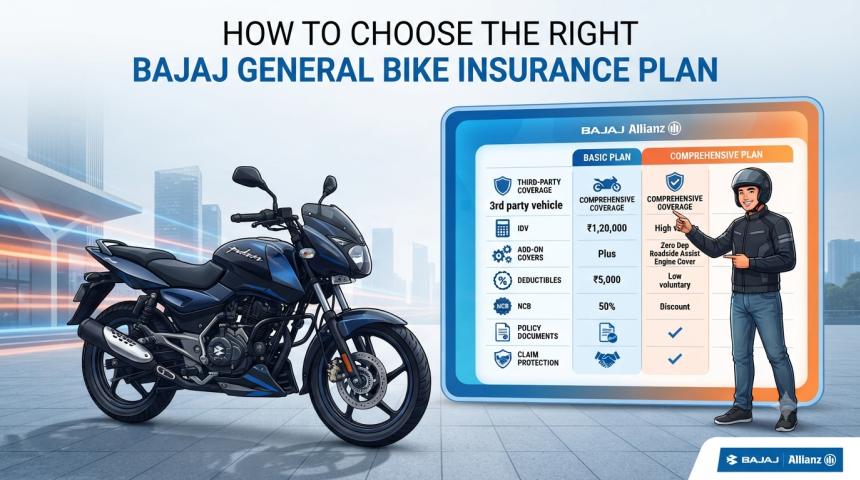
1. Understand the Types of Two-Wheeler Insurance Policies
Before
buying a policy, understand the difference between:
- Third-Party Insurance --Mandatory by law, covers
damage to third-party life or property.
- Comprehensive Insurance – Covers third-party
liability plus own-damage to your bike.
- Standalone Own-Damage Policy – Covers only your vehicle,
usually paired with a long-term third-party plan.
If your
budget allows, a comprehensive policy offers broader protection and peace of
mind.
2. Choose the Right Coverage Based on Your Usage
Your
riding habits should determine your insurance coverage. If you commute daily in
heavy traffic, the risk of accidents is higher. Similarly, long-distance riders
or those parking in open areas face increased exposure to damage or theft.
Opt for
coverage that matches:
- Frequency of usage
- Parking conditions
- Road and traffic environment
Avoid
underinsuring just to save a few rupees on premium
3. Compare Premiums, Not Just Prices
Premium
comparison is important, but price should not be the sole deciding factor. Two
policies with similar premiums can offer very different benefits.
While
comparing, check:
- Coverage inclusions and
exclusions
- Claim settlement process
- Deductibles
- Availability of add-ons
A
slightly higher premium may provide significantly better protection
4. Check the Insured Declared Value(IDV) Carefully
IDV is
the maximum amount your insurer will pay in case of total loss or theft. Many
buyers unknowingly accept a lower IDV to reduce premium, which results in lower
claim payouts.
Ensure:
- IDV reflects the actual
market value of your bike
- It is neither overstated nor
undervalued
A correct
IDV ensures fair compensation when you need it most
5. Select Add-Ons That Actually Add Value
Add-ons
enhance coverage but should be chosen wisely. Common useful add-ons include:
- Zero depreciation cover
- Engine protection cover
- Roadside assistance
- Return to invoice cover
Avoid
unnecessary add-ons that do not align with your bike’s age or usage, as they
only inflate the premium.
6. Check Claim Settlement Reputation
A policy
is only as good as its claim settlement experience. Many riders realize this
only when their claim gets delayed or rejected.
Before
buying:
- Review claim settlement
efficiency
- Understand documentation
requirements
- Check turnaround time for
claims
Smooth
claims reflect an insurer’s reliability and customer-first approach
7. Understand Policy Exclusions in Detail
Most
claim disputes arise due to lack of awareness about exclusions. Common
exclusions include:
- Riding without a valid
license
- Drunk driving
- Wear and tear or mechanical
failure
- Damage outside geographical
limits
Reading
exclusions helps set the right expectations and prevents unpleasant surprises.
8. Do Not Ignore No Claim Bonus (NCB)
NCB is a
valuable reward for safe riding. It can reduce your premium significantly over
time.
Important
points:
- NCB belongs to the
policyholder, not the vehicle
- It can be transferred when
switching insurers
- Even one small claim can
reset it
If the
repair cost is minor, consider paying out of pocket to retain your NCB.
9. Renew Your Policy Before It Expires
Policy
lapse can lead to:
- Loss of NCB
- Vehicle inspection
requirements
- Higher premiums
- Legal penalties
Set
reminders and renew on time to ensure uninterrupted coverage and financial
protection.
Conclusion
Buying
two-wheeler insurance is not just about compliance; it is about making a
responsible financial decision that protects you against unexpected losses. By
understanding coverage options, choosing the right add-ons, and evaluating
policy terms carefully, you can avoid common pitfalls and enjoy stress-free
riding.
Platforms
like Square Insurance simplify the buying process by offering
transparent comparisons, expert guidance, and customer-focused solutions that
help riders choose policies aligned with their real needs—not just the lowest
price.
A
well-informed decision today can save you significant money, time, and
frustration tomorrow.
Frequently Asked Questions
1. Is two-wheeler insurance mandatory in India?
Yes,
third-party two-wheeler insurance is legally mandatory under Indian motor laws.
2. Which is better: third-party or comprehensive
insurance?
Comprehensive
insurance is better as it covers both third-party liabilities and damage to
your own bike.
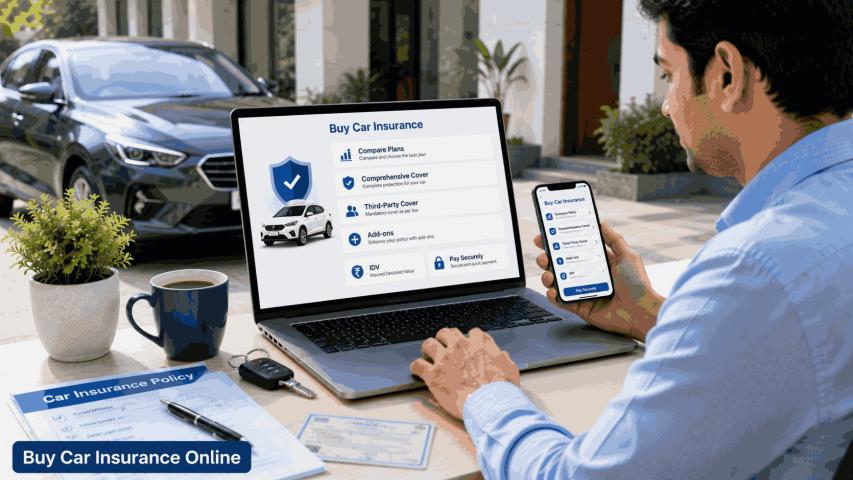
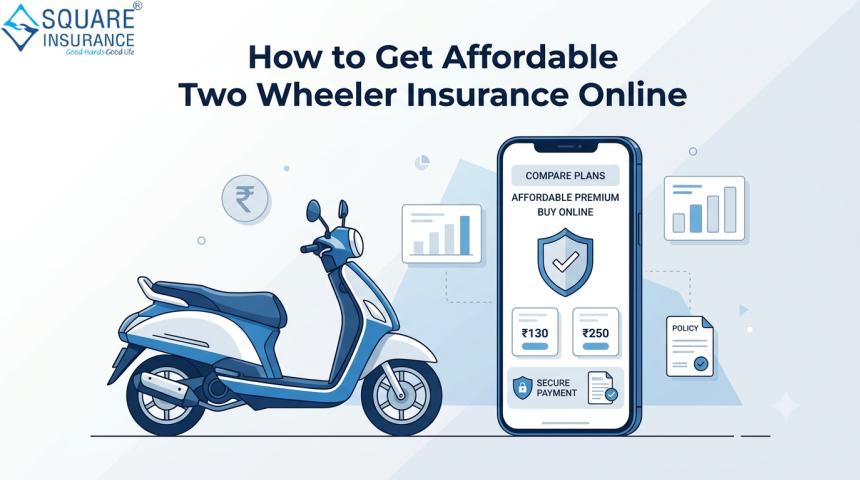
3. Can I buy two-wheeler insurance online?
Yes,
buying online is convenient, transparent, and often more cost-effective than
offline modes.
4. What happens if my two-wheeler insurance
expires?
You may
face legal penalties, lose NCB benefits, and your vehicle may require
inspection before renewal.
5. Is zero depreciation cover necessary for all
bikes?
It is
highly beneficial for new or expensive bikes, but may not be cost-effective for
older vehicles.