In today’s fast-paced property market, effective Residential Estate Management is essential for maintaining the value, safety, and functionality of residential developments. Whether it’s a small apartment block or a large mixed-use estate, the expertise of a professional Property Managing Agent plays a crucial role in ensuring smooth day-to-day operations and long-term asset protection.
What Does a Property Managing Agent Do?
A Property Managing Agent acts as the central point of contact between freeholders, leaseholders, residents, and service providers. Their responsibilities extend far beyond rent collection or basic maintenance. They oversee legal compliance, financial planning, health and safety regulations, and contractor management. By coordinating these elements, managing agents help prevent costly issues while ensuring residents enjoy a well-maintained living environment.
From arranging building insurance to managing service charge budgets, a skilled managing agent ensures transparency and accountability. This professional oversight is particularly important in complex developments where multiple stakeholders are involved.
Importance of Residential Estate Management
Residential Estate Management focuses on the strategic and operational management of residential properties and communal spaces. This includes maintaining shared facilities such as gardens, parking areas, lifts, and internal communal areas. A proactive estate management approach not only enhances residents’ quality of life but also protects property values over time.
Effective estate management involves long-term planning, including cyclical maintenance, sustainability initiatives, and compliance with ever-changing property legislation. Without proper management, residential estates can quickly fall into disrepair, leading to resident dissatisfaction and reduced market appeal.
Understanding Residential Block Management
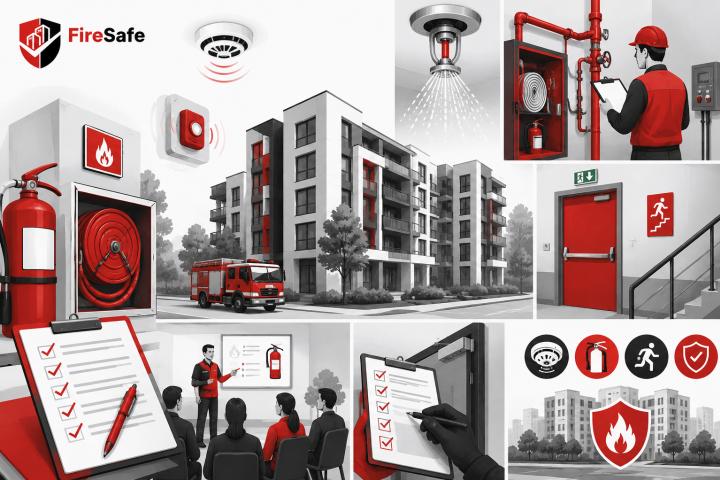
A key component of estate management is Residential Block Management, which specifically addresses the needs of apartment blocks and multi-unit buildings. This includes managing service charges, arranging repairs, ensuring fire safety compliance, and handling resident communications.
Residential block management requires specialist knowledge, particularly around leasehold structures and legal obligations. A professional managing agent ensures that all statutory requirements are met while balancing the expectations of leaseholders and freeholders. Clear communication and accurate financial reporting are vital in building trust and avoiding disputes.
Benefits of Professional Management Services
Engaging a professional Property Managing Agent for residential estate and block management offers several benefits:
-
Regulatory compliance: Staying up to date with property and safety legislation
-
Cost efficiency: Access to trusted contractors and effective budget control
-
Time savings: Reduced administrative burden for property owners and residents
Enhanced property value: Well-maintained estates attract buyers and tenants
Ultimately, professional management provides peace of mind, knowing that the property is being managed in a structured, compliant, and resident-focused manner.
Conclusion
Whether overseeing a single building or an entire development, a reliable Property Managing Agent is essential for successful Residential Estate Management and Residential Block Management. Their expertise ensures properties are maintained to high standards, legal obligations are met, and residents enjoy a safe and well-run living environment. In an increasingly complex property landscape, professional management is no longer a luxury—it’s a necessity.