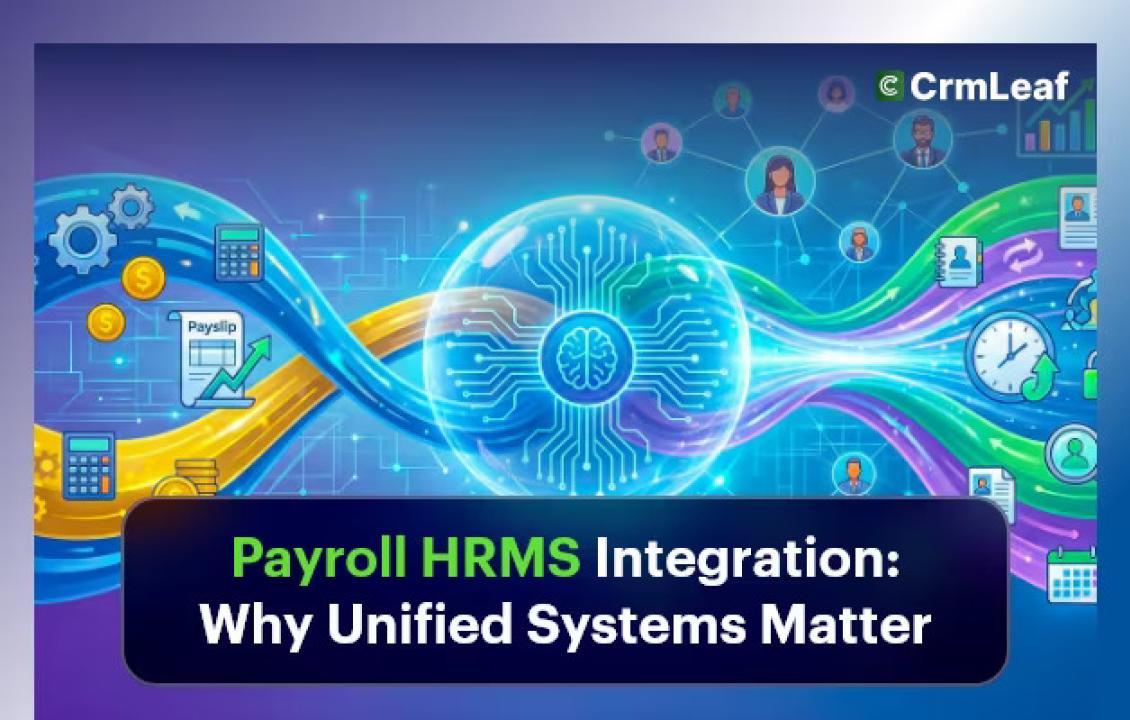
As businesses scale, operational complexity increases faster than headcount. Consequently, systems that once worked independently start creating friction instead of efficiency. This is especially true for payroll and HR. Payroll depends on accurate employee data. HR depends on real-time workforce insights. However, when these systems operate separately, errors multiply, productivity drops, and compliance risks rise That is exactly why payroll HRMS integration has shifted from a “nice-to-have” to a strategic necessity.
More importantly, HRMS integration is not just about syncing data. Instead, it is about creating a single source of truth for people’s operations. When payroll and HRMS function as one unified system, businesses move faster, stay compliant, and make better decisions.
In this guide, you will learn:
- What HRMS integration really means
- Why disconnected systems fail at scale
- How unified systems improve accuracy, compliance, and productivity
- Key features, use cases, and best practices
- How to evaluate and implement payroll HRMS integration successfully
What Is Payroll HRMS Integration?
At its core, HRMS integration connects human resource management functions with payroll processing in a single, unified system.
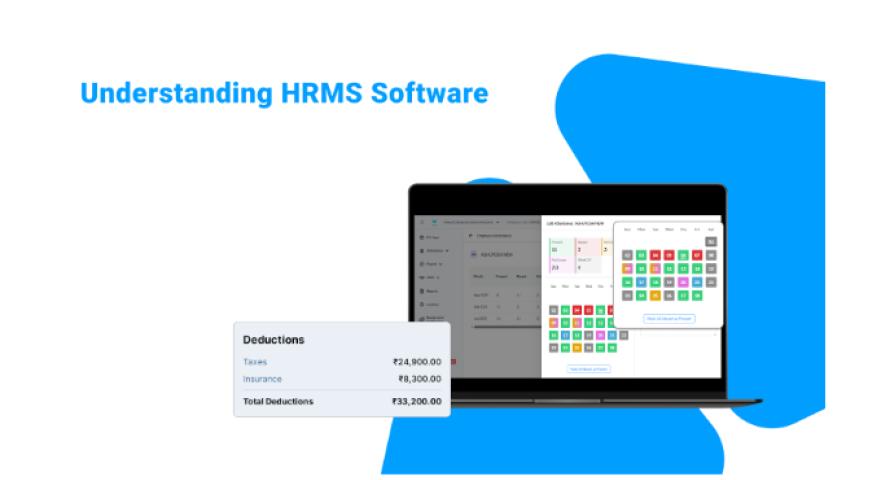
Instead of manually transferring data between platforms, integrated systems automatically share information such as:
- Employee profiles
- Attendance and leave records
- Salary structures
- Tax and compliance details
- Benefits and deductions
As a result, payroll calculations rely on real-time HR data, and HR decisions reflect payroll realities.