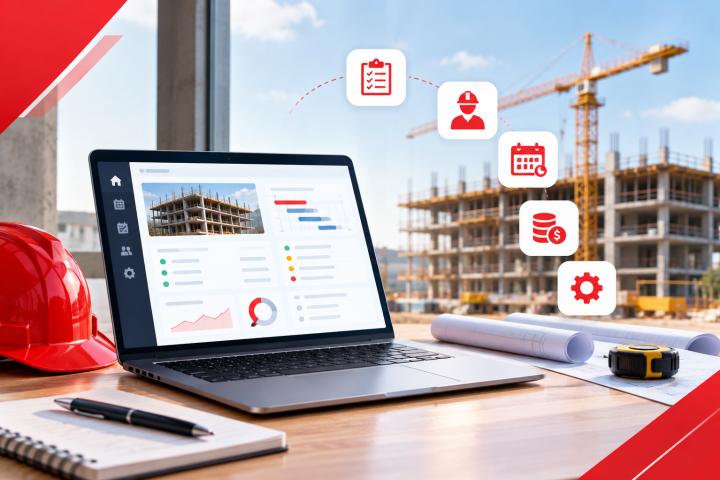
The construction industry has always been complex. Multiple stakeholders, tight deadlines, strict compliance requirements, and constant coordination between on-site and off-site teams make every project challenging. For decades, many construction companies relied on paper-based processes, spreadsheets, phone calls, and disconnected tools to manage their work. However, this approach often led to delays, miscommunication, cost overruns, and quality issues.
Today, digital workflow software is changing how modern construction projects are planned, executed, and delivered. By connecting people, processes, and data on a single digital platform, construction teams are gaining better control, transparency, and efficiency across the entire project lifecycle. In this blog, we will explain how digital workflow software is transforming construction projects, why it has become essential, and what benefits it brings to contractors, engineers, project managers, and clients.
Understanding Digital Workflow Software in Construction
Digital workflow software refers to platforms that automate and streamline construction processes by replacing manual tasks with structured, digital workflows. These tools manage activities such as project planning, document control, approvals, inspections, reporting, and collaboration in a centralized environment.
Instead of juggling emails, printed drawings, and spreadsheets, teams can access real-time project data through dashboards, mobile apps, and cloud-based systems. This shift allows everyone involved in a project to work from the same source of truth, reducing confusion and improving accountability.
Why Traditional Construction Workflows Fall Short
Before understanding the transformation, it is important to recognize the limitations of traditional construction workflows.
Paper-based documentation is difficult to track and easy to lose. Manual data entry increases the risk of errors. Communication gaps between site teams, office staff, and subcontractors often lead to misunderstandings. Approvals take longer because files move slowly from one person to another. When issues arise, it becomes hard to identify responsibility or trace decisions.
In large projects, these inefficiencies can result in significant financial losses. Even small delays or mistakes can snowball into major setbacks. Digital workflow software addresses these problems by bringing structure, automation, and visibility to construction operations.
Improving Project Planning and Scheduling
One of the biggest impacts of digital workflow software is in project planning and scheduling. Construction projects involve hundreds of tasks that must be completed in a specific order. Any disruption can affect the entire timeline.
Digital workflows allow project managers to create detailed schedules, assign tasks, and track progress in real time. Updates made by site engineers or supervisors are instantly visible to everyone. This helps teams identify delays early and take corrective action before problems escalate.
Moreover, integrated scheduling tools can link tasks with resources, budgets, and timelines, making planning more accurate and realistic.
Enhancing Communication and Collaboration
Construction projects require constant coordination between architects, engineers, contractors, suppliers, and clients. Poor communication is one of the most common reasons for project failure.
Digital workflow software improves collaboration by providing a shared platform where all stakeholders can communicate, share updates, and access documents. Instead of long email chains or phone calls, discussions happen within the system and are linked to specific tasks or issues.
Mobile access is another major advantage. On-site teams can upload photos, report issues, and update progress directly from the field. This real-time flow of information ensures that decisions are based on current data, not outdated reports.
Streamlining Document Management
Construction projects generate a massive amount of documentation, including drawings, contracts, permits, inspection reports, and change orders. Managing these documents manually is time-consuming and risky.
With digital workflow software, documents are stored in a centralized, cloud-based repository. Version control ensures that everyone is working with the latest files. Access permissions protect sensitive information, while audit trails track who made changes and when.
This structured approach reduces errors caused by outdated drawings and improves compliance with regulatory requirements.
Automating Approvals and Compliance Processes
Approvals are a critical part of construction projects, whether it is approving designs, budgets, materials, or change requests. In traditional workflows, approvals often involve multiple signatures and long waiting times.
Digital workflow software automates approval processes by defining clear workflows and responsibilities. Requests are routed automatically to the right people, and notifications ensure timely action. This speeds up decision-making and reduces bottlenecks.
Compliance is another area where digital workflows make a difference. Safety inspections, quality checks, and regulatory audits can be standardized and tracked digitally, reducing the risk of non-compliance.
Better Cost Control and Budget Management
Cost overruns are a common challenge in construction. Without accurate and timely data, it is difficult to control expenses and forecast budgets.
Digital workflow software integrates cost tracking with project activities. Expenses, invoices, and variations can be recorded and monitored in real time. Project managers gain visibility into budget performance and can identify potential overruns early.
By linking financial data with schedules and progress reports, teams can make informed decisions that balance time, cost, and quality.
Increasing Accountability and Transparency
Accountability is essential in construction, where multiple parties are responsible for different aspects of a project. Digital workflow software creates clear ownership by assigning tasks, deadlines, and responsibilities.
Every action is logged, creating a transparent record of decisions and activities. This not only improves internal accountability but also builds trust with clients, who can track project progress through shared dashboards and reports.
Transparency reduces disputes and helps resolve issues quickly by providing factual data instead of assumptions.
Supporting Data-Driven Decision Making
Modern construction projects generate valuable data that can be used to improve performance. Digital workflow software captures this data automatically as part of daily operations.
Project managers can analyze trends related to productivity, safety, quality, and costs. Insights gained from past projects can be used to optimize future workflows and reduce risks.
Over time, this data-driven approach leads to continuous improvement and better project outcomes.
Enabling Scalability and Standardization
As construction companies grow, managing multiple projects across different locations becomes more complex. Digital workflow software allows organizations to standardize processes and scale operations efficiently.
Standard workflows ensure consistency in quality and compliance, regardless of project size or location. At the same time, flexible configurations allow teams to adapt workflows to specific project needs.
This balance between standardization and flexibility is essential for long-term growth.
The Role of Software for Construction in Modern Projects
While many digital tools exist, choosing the right Software for Construction plays a critical role in achieving these benefits. The right platform aligns with a company’s workflows, integrates with existing systems, and supports both on-site and office teams.
When implemented correctly, such software becomes the backbone of project execution, connecting planning, execution, and reporting into a single, cohesive system.
Challenges in Adopting Digital Workflow Software
Despite its advantages, adopting digital workflow software is not without challenges. Resistance to change, lack of training, and initial setup costs can slow adoption.
To overcome these challenges, companies should focus on user-friendly solutions, provide proper training, and involve teams early in the implementation process. Clear communication about the benefits and long-term value also helps build acceptance.
The Future of Digital Workflows in Construction
The future of construction is increasingly digital. As technologies like artificial intelligence, IoT, and advanced analytics become more integrated with workflow platforms, construction projects will become even more efficient and predictive.
Digital workflow software will continue to evolve, offering smarter automation, better insights, and stronger collaboration tools. Companies that embrace these changes will be better positioned to compete in a demanding market.
Conclusion
Digital workflow software is transforming modern construction projects by improving planning, communication, cost control, and accountability. It replaces fragmented, manual processes with structured, transparent, and data-driven workflows that support better decision-making.
As construction projects grow in complexity, the need for efficient digital workflows becomes even more critical. By adopting the right tools and strategies, construction companies can deliver projects faster, safer, and with higher quality. In a competitive industry, digital workflow software is no longer a luxury; it is a necessity for sustainable success.