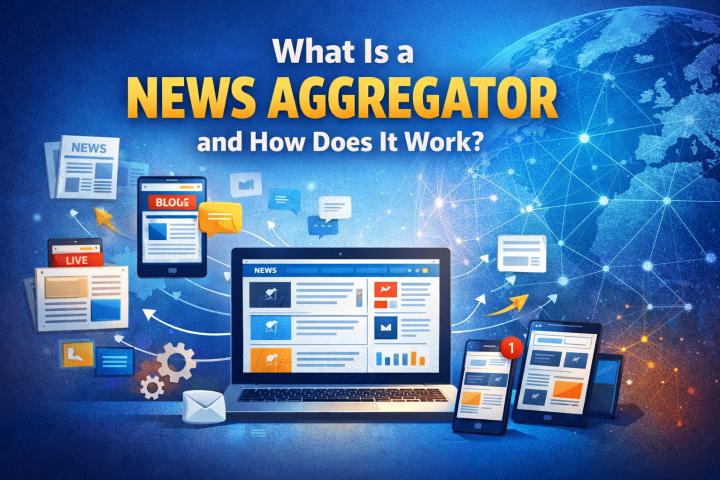

If you have ever tried to build anything around news - whether it is a simple dashboard or a full product - you probably started by looking at Google News. Most people do.
Then comes the realization: there is no official Google News API.
That usually leads to scraping experiments, unstable setups, or third-party tools that don’t always scale. At some point, most teams switch to dedicated news APIs that are actually built for developers.
Over the last few years, a growing number of startups and data teams have been using real-time news APIs to power monitoring tools, build news apps or websites, and content platforms.
Here are five Google News API alternatives that are commonly used.
Why Developers Look for Google News API Alternatives
Before jumping into the list, it helps to understand what people usually need.
Most projects require:
- Live or near real-time headlines
- Clean JSON responses
- Filters for keywords, countries, or categories
- Coverage beyond just a handful of publishers
- Something stable enough for production
Since Google does not provide an official API for Google News now, these news data APIs fill that gap.
1. NewsData.io
NewsData.io is built specifically for teams or individuals that need structured, real-time news data without dealing with scraping different websites.
It aggregates articles from a large number of global sources and exposes everything through a simple REST API. You can filter by keyword, category, country, language, and more.
It is commonly used for dashboards, alerting systems, and AI workflows where consistent updates matter.
Why people use it:
- Real-time news from thousands of sources
- Straightforward API endpoints
- Strong filtering options
- Free tier for testing and small projects
- Works well for production use cases
If you are looking for a Google News API alternative that focuses on scale and structure, this is one of the first tools developers choose.
2. NewsAPI.org
NewsAPI.org is one of the more well-known options, especially among developers building quick demos.
It provides access to headlines from major publishers and supports basic keyword and category filtering.
It is easy to get started with, although production usage comes with licensing limitations that are worth reviewing.
Common use cases:
- Prototypes
- Student projects
- Small internal tools
3. GNews API
GNews API offers a Google News–>
It is often chosen for simpler projects that don’t need heavy customization.
Good fit for:
- Lightweight applications
- Personal projects
- Basic real-time news feeds
4. MediaStack
MediaStack focuses on both live and historical news data. Along with current headlines, it allows access to older articles, which is useful for analysis and reporting tools.
It supports multiple languages and regions and returns structured responses that work well in dashboards.
Typically used for:
- Media monitoring
- Analytics platforms
- Trend tracking
5. Currents API
Currents API provides global coverage with topic tracking and breaking news updates. It is commonly used for research projects and applications that need international news sources.
It also supports multiple languages, which makes it useful for cross-border monitoring.
Often used in:
- Trend analysis
- Sentiment tools
- Topic-based tracking
How to Pick the Right News API
There is no single best option for everyone.
The right choice depends on things like:
- How real-time your data needs to be
- Which countries or languages you care about
- Whether you need historical articles
- Your budget
- How easily the API fits into your stack
If you are building AI tools or monitoring systems, structured data and update frequency usually matter more than anything else.
Final Thoughts
Because there is no official Google News API, most developers started using dedicated news APIs instead.
Tools like NewsData.io, NewsAPI.org, GNews, MediaStack, and Currents are popular because they solve the same problem in different ways: turning raw news into usable data.
Whether you are working on a startup, an internal dashboard, or a production product, choosing the right real-time news API can save a lot of time and complexity.
The best approach is to test a few, compare response quality and coverage, and pick the one that fits your workflow.