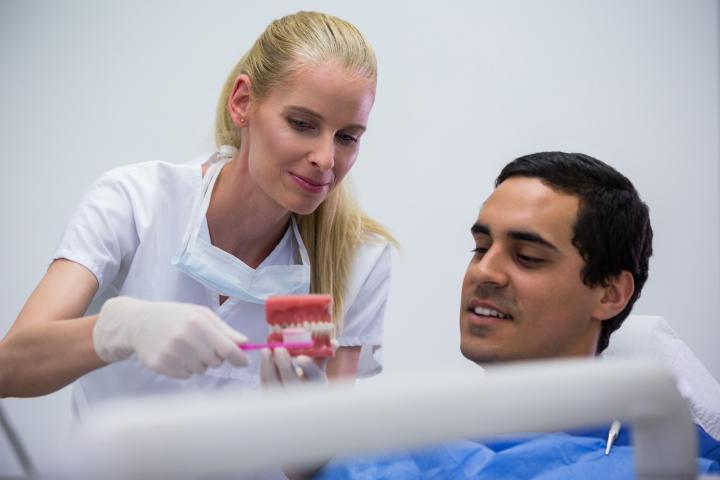

Whether it’s a routine dental checkup or an emergency visit, an appointment with your dentist is a great opportunity to ask questions to help you better manage your oral health.
It’s common to wonder, “Why do my teeth ache while chewing?” or “Why do my gums bleed when brushing?” These are normal but important questions, and what’s a better opportunity than your next dentist visit to get answers?
Your dentist has a lot of experience and can offer valuable advice, so be sure to ask a lot of questions the next time you visit for a dental appointment.
Not sure what to ask? Here’s a list of the 10 most important questions to ask your dentist.
1. Is it normal for my gums to bleed while brushing?
Regular bleeding while brushing isn't "normal" and may be a sign of gingivitis, the early stage of gum disease. It generally happens as a result of plaque buildup irritating the tissue.
Bleeding is also common in people who've just started flossing. In such cases, it usually resolves within a week.
If bleeding doesn’t stop, visit your dentist for a professional teeth cleaning to remove hardened tartar that your brush can't clean.
2. Do I have gum disease? How do I prevent this?
Your dentist will check your teeth for signs of gum disease. It involves looking for "pockets" or gaps between your teeth and gums. Bacteria accumulate in these gaps, causing gum disease.
Based on your condition, the dentist may offer prevention tips, including brushing twice daily, flossing at night, and routine (six-month) cleanings. These habits prevent bacterial accumulation, reducing the risk of inflammation and bone loss.
3. Why aren’t my teeth perfectly white?
Teeth are naturally off-white. This is because your dentin is slightly yellowish and shows through your translucent enamel. The more your enamel thins over time or picks up stains from colored foods, the more visible the dentin becomes.
Genetics can also cause teeth to appear more yellowish in some people than others. If you're concerned, ask your dentist for tips to make your teeth whiter.
4. What does occasional dental pain or sensation mean?
Occasional "zings" or temporary aches might be your teeth’s way of signaling trouble. Teeth or gums can ache due to dentin hypersensitivity from receding gums, a cracked tooth or filling, or a growing cavity.
If the pain is consistent, make sure to ask your dentist about it. Early intervention and treatment, usually a simple filling, can avoid a complex root canal later.
5. What types of toothbrush and toothpaste should I use?
Most dentists recommend using a good-quality, soft-bristled or electric toothbrush. Hard bristles can damage your enamel.
For growing children and adults, ensure the toothpaste contains fluoride, which helps remineralize enamel.
If you have sensitivity, the dentist may recommend a toothpaste with potassium nitrate. Avoid charcoal and other highly abrasive toothpastes, as they cause more damage than good.
6. What foods should I avoid to maintain healthy teeth?
Limit fast foods, sugary snacks, and acidic drinks like soda, which stain teeth and erode enamel.
Starchy foods like potato chips can accumulate in crevices and turn into sugar, leading to cavities.
Make sure to rinse your mouth with water after eating such foods to reduce the acids and wash away food particles.
7. Is it okay to use mouthwash daily?
Yes. While using a fluoride mouthwash helps strengthen enamel, an antiseptic mouthwash can kill bacteria and restore freshness. However, mouthwash shouldn't be used as a replacement for brushing or flossing.
Avoid products with high alcohol content, especially if you suffer from dry mouth.
Use mouthwash as an extension to brushing to provide extra protection, and not as a primary cleaning product.
8. How to keep my teeth white naturally?
The best way to maintain white teeth is to prevent staining.
Avoid staining or colored beverages or use a straw. Eat crunchy fruits and vegetables like apples, celery, and carrots, which naturally scrub tooth surfaces.
Avoid store-bought whitening products. If your teeth have stains, see your dentist.
9. How does my dental health affect my overall health?
Research confirms that bacteria in your mouth can directly affect many parts of your body, including your throat, heart, and even your brain.
Chronic gum inflammation is known to be responsible for serious systemic issues, including heart disease, diabetes, and respiratory infections.
If bacteria from the mouth reach the bloodstream, it can trigger cardiovascular and metabolic problems.
10. How healthy are my teeth and gums right now?
This is the most important question to ask your dentist. They will look for signs of decay, cavities, gum recession, and bone stability to determine your overall oral health status.
Examining your dental health today allows the dentist to understand your progress and catch small issues before they turn into serious, painful problems.
Conclusion: Questions to Ask Your Dentist
A dentist appointment is a great opportunity to get your questions about dental health answered by a professional. This will help you stay on top of your dental health. You can ask about your overall dental health, good hygiene tips, foods to avoid, and prevention tips.
Make sure to choose a reliable, caring dentist like Lynnwood Dental Studio with extensive experience and a reputation for treating patients with care.