Despite putting money aside for months, it becomes impossible to have enough savings to pay for the renovation. One of the reasons is that a large chunk of your monthly income goes towards mortgage payments. After some time, you feel like making necessary repairs, such as improving energy efficiency for your property. Thankfully, there are a number of ways you can consider to meet the renovation costs, and one of them is home improvement loans.
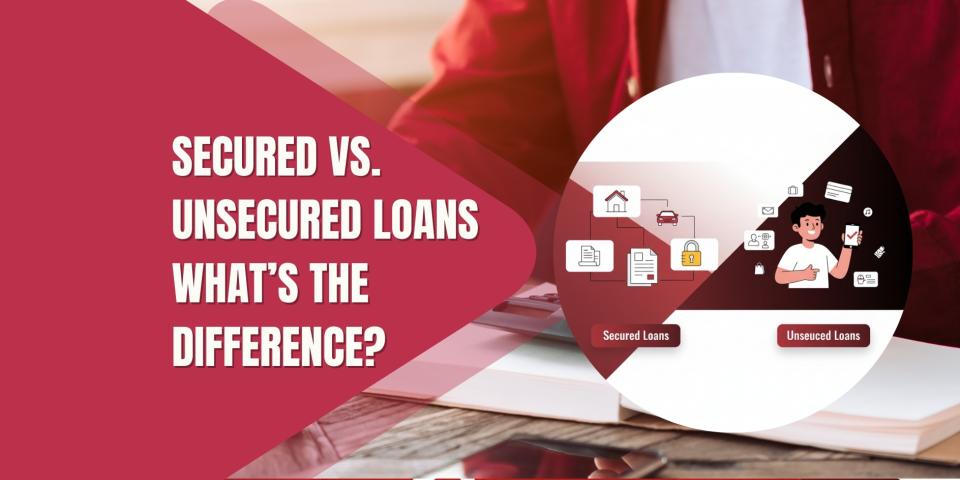
Home renovation loans are personal loans. In other words, they are unsecured loans as they are not backed by collateral. It depends on a lender’s policy how much they would be willing to approve. Some lenders can offer you up to £10,000, while others can cap at £5,000. Personal loans are quite risky because if you make a default your lender will not have any means to recover it from you.
The good thing is that it is not only personal loans that help with renovating your house. There are various other financing solutions. Some of them are aimed at small refurbishment projects, while others are aimed at large renovation projects.
What financing solutions can help in case of a lack of savings?
Here are the funding solutions that can help you finance home renovation:
No guarantor loans
If you do not need a large amount of money or if you need money only to fund the gap in savings, no guarantor loans could be the best solution for you. It is easy to qualify for them as long as your credit history is up to scratch. However, subprime borrowers are also accepted.
The maximum money you can qualify for is up to £1,000. These loans are generally discharged in one fell swoop as the repayment length does not last more than a month. at the time of using these loans, make sure that you are in full capacity to discharge the debt.
Even though lenders assume you have a strong repayment capacity, it is enjoined that you carefully take stock of its impact on your budget. Sometimes, people struggle to pay for their essential expenses, which results in plunging into debt.
Remortgage
A remortgage is a process of switching from your existing mortgage provider to another without moving house, which is initiated after the end of a fixed-interest rate deal that normally lasts for two, three, or five years. In most cases, such deals last for only two years.
As soon as you are about to come to the end of the fixed-interest deal, you can remortgage. It means paying off your current mortgage in full, which is subject to early repayment charges. A remortgage sounds like the best option despite early repayment charges, as it helps save on interest payments.
- Since you have already paid down some value of your house, the loan-to-value ratio during remortgage will be less. This will help you qualify for lower interest rates.
- Your credit score must have improved by the time the fixed-interest deal expires. This will help you obtain lower interest rates during the remortgage.
At the time of remortgaging, you can ask your provider to lend you more for home improvement. If your credit score is better, your chances of getting additional money approved are significantly higher. However, make sure that you do not struggle with payments.
Take out a second mortgage
A second mortgage works better when remortgaging is not an ideal choice for you. It allows you keep your existing mortgage and find another lender to take out a second mortgage from. The second mortgage you take out is secured against the equity you have built in your property. It means your house will be secured against both mortgages. However, the first mortgage provider will have the first charge over your house in case you fail to meet your obligation.
Bear in mind that the second mortgage will charge high interest rates because the risk of default is too high. Rates will be much higher than your existing mortgage. Make sure your budget does not collapse under the burden of payments.
The maximum amount you can borrow through a second mortgage depends on the equity you have built. Normally, the loan-to-value is not more than 60%.
Abdicating responsibility could result in losing your house.
Secured home improvement loans
Secured home improvement loans will allow you to borrow a larger sum, and your house will serve the purpose of collateral. However, these loans are available for those who already own their houses. In other words, these loans are called secured homeowner loans.
You will pay down a fixed sum of money every month over a number of years. As the loan is secured against your house, you will lose it if you fall behind on payments.
If you are still on mortgage payments, you will have to use home equity loans, which are a type of second mortgage. They work the same way as a second mortgage.
Credit cards for a small renovation
If you do not need a large amount of money, credit cards can also come in handy. It is suggested that you use a 0% introductory credit card, as you can escape paying interest by settling the outstanding balance within that time period.
If you have a standard credit card, make sure to pay off the balance in full. Otherwise, interest will keep accruing on the unpaid balance by the day. As a result, your credit card debt will spiral out of control too fast.
To sum up
No matter which financing solution you use, they are all expensive. You should try to minimise your renovation budget. First off, do not take up refurbishment, which is unnecessary. Stick to the most essential improvements.
Contact multiple contractors and obtain quotes from them to have an idea of which one is more affordable. Additionally, consider borrowing money from a lender who charges lower interest rates. Keep your credit score good and demonstrate a strong financial condition.