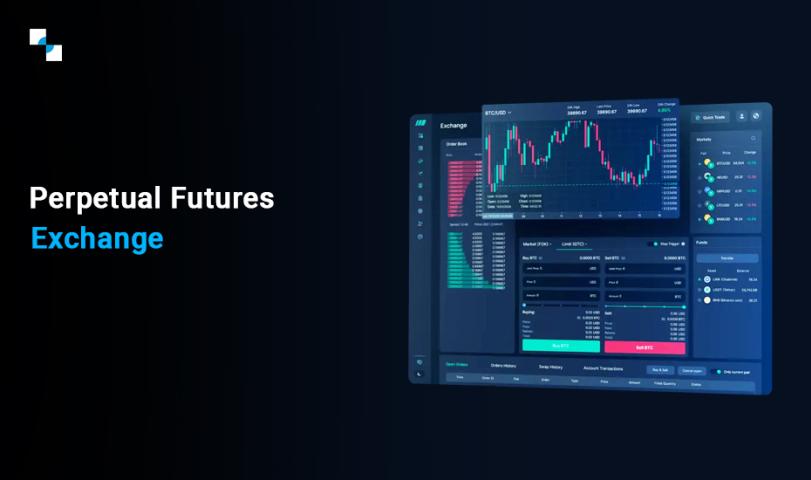

The shift from spot trading to derivatives is the natural evolution for any growing crypto exchange. However, while the revenue potential is significantly higher, the technical complexity is 10x greater. Moving into Futures and Options isn't just about adding a new tab to your UI; it’s about rebuilding your engine for high-stakes risk.
Here are the five critical hurdles you must clear to build a professional-grade derivatives platform.
1. The "Latency Trap" in Matching Engines
In spot trading, a 100ms delay is a nuisance. In high-leverage futures trading, it’s a catastrophe. Professional traders and market makers rely on split-second execution to hedge positions. If your matching engine lags during a price spike, you risk "slippage" that can bankrupt either your users or your exchange's insurance fund.
-
The Solution: You need a high-frequency matching engine capable of handling millions of transactions per second (TPS) with sub-millisecond latency.
2. Complex Risk Management & Liquidation Logic
Unlike spot trading, where a user simply owns an asset, derivatives involve leverage. This requires a robust, real-time liquidation engine that monitors every position against the current "Mark Price."
-
The Challenge: If your liquidation engine is too slow, the price might move past the bankruptcy point before the position is closed.
-
The Maticz Standard: Implementing multi-tier liquidation levels, Insurance Funds, and Auto-Deleveraging (ADL) modules to ensure the exchange remains solvent even in "black swan" market events.
3. Solving the "Empty Order Book" (Liquidity)
A Futures exchange with no liquidity is a ghost town. Traders won't enter positions if they can't exit them at a fair price. Bootstrapping liquidity for complex instruments like European Options or Perpetual Swaps is significantly harder than for BTC/USDT spot.
-
The Hurdle: Finding and integrating with reliable Liquidity Providers (LPs) who can provide tight spreads and deep order books across various expiry dates.
4. Unified Margining vs. Isolated Margining
Traders in 2026 demand flexibility. They want to choose between Isolated Margin (limiting risk to a single trade) and Cross Margin (using their entire wallet balance to prevent liquidation).
-
The Technical Debt: Building a system that can dynamically calculate margin requirements across multiple open positions in real-time is an architectural feat. It requires a sophisticated "Margin Calculator" that updates instantly with every price tick.
5. Regulatory Compliance & Fragmentation
The global landscape for derivatives is a minefield. From MiCA in Europe to evolving CFTC guidelines in the US, adding "Futures" often triggers a different class of licensing requirements compared to "Spot."
-
The Pain Point: Building a platform that is flexible enough to restrict certain products by geography (Geo-fencing) while maintaining a seamless global user experience.
Conclusion: Don’t Build from Scratch, Build to Scale
The hurdles of adding derivatives are high, but the rewards—increased user retention and 5x higher fee revenue—are higher. The secret isn't just building the features; it's building them with a partner who understands the "fail-points."
At Maticz, we specialize in engineering the high-performance core of crypto futures and options trading platforms. From ultra-fast matching engines to automated risk management modules, we provide the technical foundation so you can focus on growing your brand.