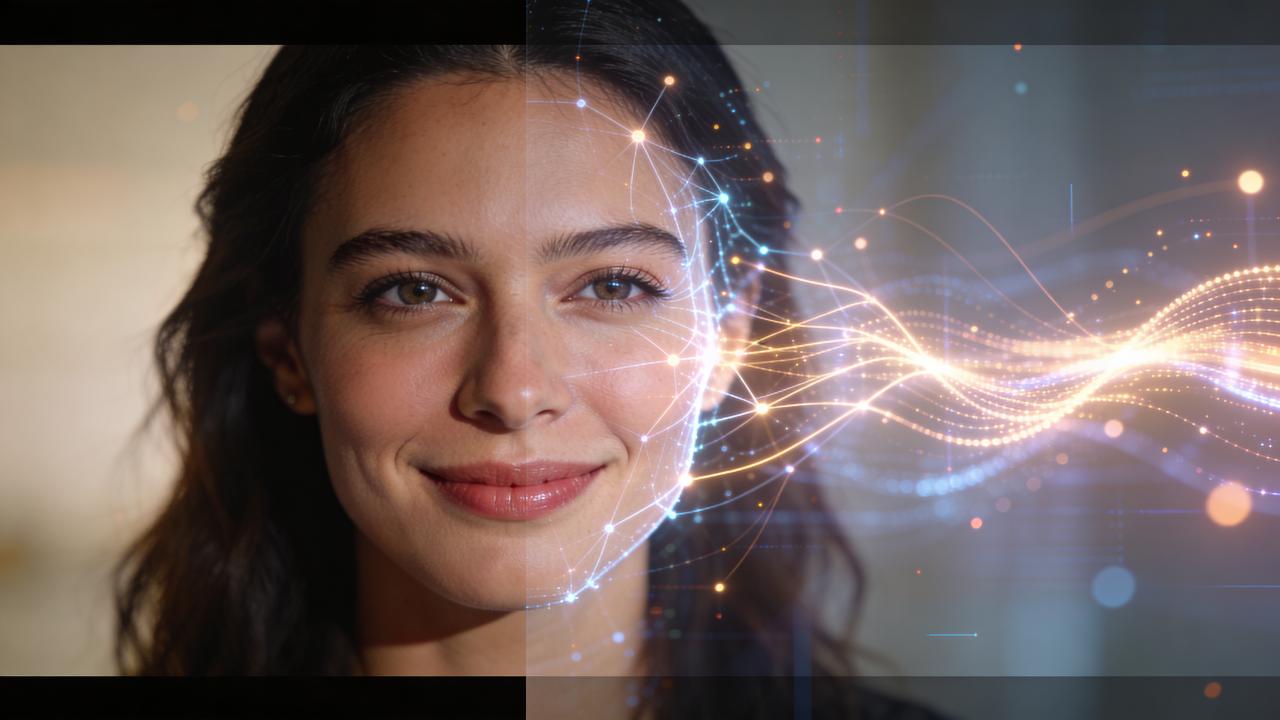
Let’s be honest: the idea of AI turning a static photo into a moving, expressive video still feels like magic. When I first tried MagicShot.ai’s image-to-video AI feature, I assumed it would simply add motion to a photo. But what I saw was more than that, subtle gestures, the smallest facial expressions, even a sense of life.
It made me ask: can AI really capture emotion, or is it just creating the illusion of it?
How Image-to-Video AI Works
Before diving into emotion, it helps to understand the mechanics. Turning images to video isn’t just a filter or slideshow. It involves:
Frame Prediction: The AI predicts what happens next in the image. If someone’s hand is mid-wave, it estimates the movement for the next frames.
Interpolation: Generates smooth transitions between still frames to avoid choppy motion.
Facial/Body Recognition: Detects expressions, posture, and key features to animate them realistically.
This process is why you can now make picture to video or turn photo into video in minutes instead of hours. But here’s the key: technically animating an image isn’t the same as capturing the nuance of human emotion.
Can AI Really Animate Emotion?
Emotion is subtle. A genuine smile isn’t just about lips curving; it’s in the eyes, the tilt of the head, the micro-expressions we often miss. AI can replicate patterns it has learned from thousands of videos, but it doesn’t feel joy, sadness, or surprise.
That said, AI can simulate emotion convincingly if guided properly:
Choice of Image: High-quality, expressive photos work best.
Contextual Animation: Small gestures like blinking, breathing, or slight head turns make a huge difference.
Timing: Adjusting the pace of motion affects how the audience interprets emotion.
So when users ask, “how to make a video out of pictures that feels real?”, the answer isn’t just the AI, it’s your input. Your story choices, selection of images, and pacing dictate whether the video resonates emotionally.
Practical Tips: Making Images to Video With Emotional Impact
If you want to create video from images that really connects, here’s how:
Start With Expressive Photos
Don’t rely on dull or neutral images. Faces with natural expressions work best for AI to animate effectively.Plan Your Story
Even a 10-second clip benefits from narrative flow. Think: beginning, middle, end. It gives AI motion a purpose.Use Subtle Motion
Tiny movements, like a head nod, hair sway, or eye blink, add depth without feeling robotic.Experiment With Pacing
Slow, deliberate animation conveys thoughtfulness or sadness; faster movement can convey excitement or surprise.Layer Audio or Music
Adding sound reinforces emotion. Even AI-generated motion paired with subtle audio can feel incredibly alive.Iterate and Adjust
Don’t settle for the first render. Tweak frames, timing, or transitions to make the video feel more human.
Common Questions Users Have
Q1: How can I make multiple images into a single video?
A: Most tools let you sequence photos, then automatically animate each image. You can adjust timing for each frame to maintain emotional pacing.
Q2: Is AI animation suitable for professional storytelling?
A: Absolutely. Brands, educators, and content creators use image-to-video AI for ads, social posts, and mini-documentaries. The key is combining technical motion with thoughtful storytelling.
Q3: Can AI replicate complex emotions like grief or subtle joy?
A: AI can mimic expressions seen in its training data. Subtle, complex feelings often need human input, selecting images, guiding transitions, and adding context.
Q4: Do I need technical skills to make photos into video?
A: Not really. Platforms like MagicShot.ai simplify the process: upload images, select animation >
Why Human Guidance Matters
Here’s the thing: AI is incredibly good at motion, but the emotional storytelling is still yours to craft. When you combine your intuition with AI’s capability, the results are far more powerful than either alone.
Think of it this way: AI is the brush, your vision is the painter. Motion alone doesn’t move hearts—thoughtful direction does.
Final Thoughts
AI’s ability to make picture to video or turn photo into video is exciting. It saves time, enables creativity, and makes visual storytelling accessible. But when it comes to emotion, the human touch remains essential.
So next time you wonder how to make a video from photos that feels alive, remember: let AI handle motion, but let your heart guide the story. That’s where magic truly happens.