Trekking in Nepal is a dream for many adventurers. But if you are planning a Himalayan journey, you might be asking yourself: Everest Base Camp or Annapurna Base Camp — which trek is truly harder? The Annapurna Base Camp Trail is famous for its stunning mountain views and diverse landscapes. At the same time, the Everest Base Camp trek is world-renowned, with iconic peaks and Sherpa villages. Choosing between them depends on your fitness, experience, and what kind of adventure you are looking for.
Both treks are incredible, but they offer very different experiences. One will challenge your endurance more, while the other tests your ability to adapt to altitude. Let’s explore the differences so you can make the best decision for your Himalayan journey.
Everest Base Camp Trek: The Iconic Challenge
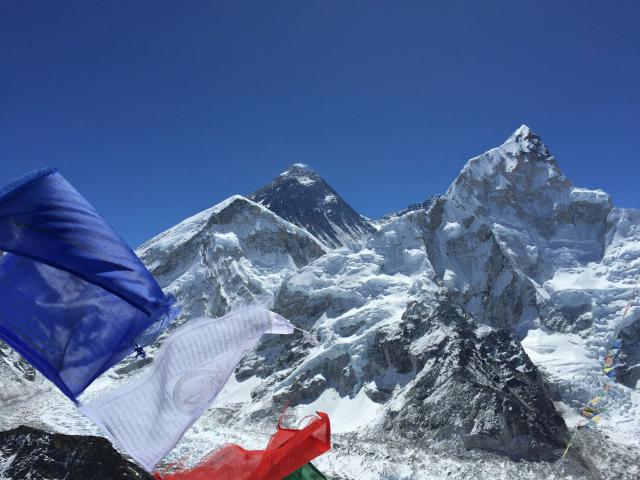
The Everest Base Camp (EBC) trek is a bucket-list adventure for trekkers around the world. The trail takes you deep into the Khumbu region, passing through Sagarmatha National Park, Sherpa villages, and high-altitude terrain. Along the way, you will see breathtaking views of Everest, Lhotse, Nuptse, and Ama Dablam.
The trek is longer and reaches higher altitude than ABC. The highest point, Everest Base Camp, is at 5,364 meters, and many trekkers also climb Kala Patthar at 5,545 meters for a closer view of Everest. The trails can be steep and the air thin, making every step a challenge. EBC also requires a longer trek time, usually 12 to 14 days, covering around 130 kilometers round trip. The higher altitude and longer days make EBC a test of both endurance and stamina.
Annapurna Base Camp Trek: The Scenic Adventure
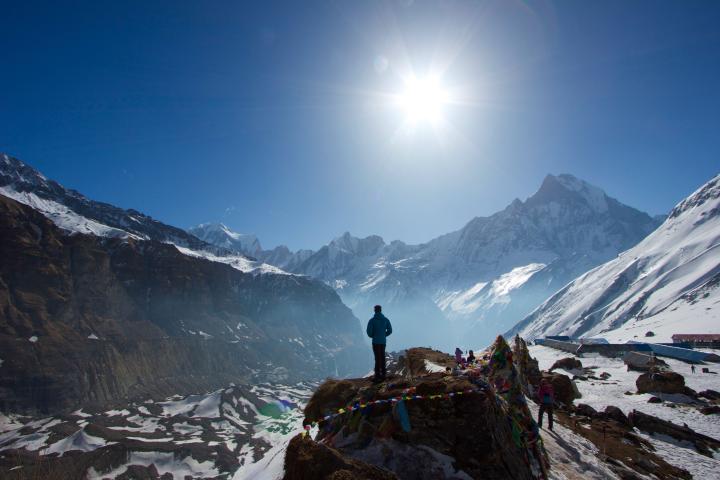
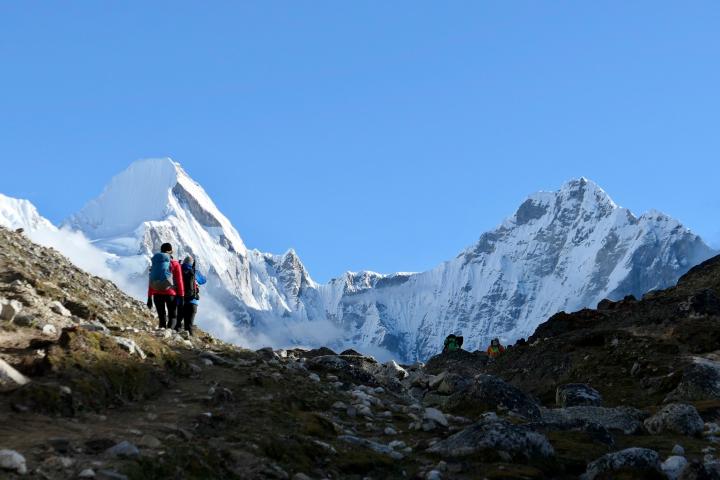
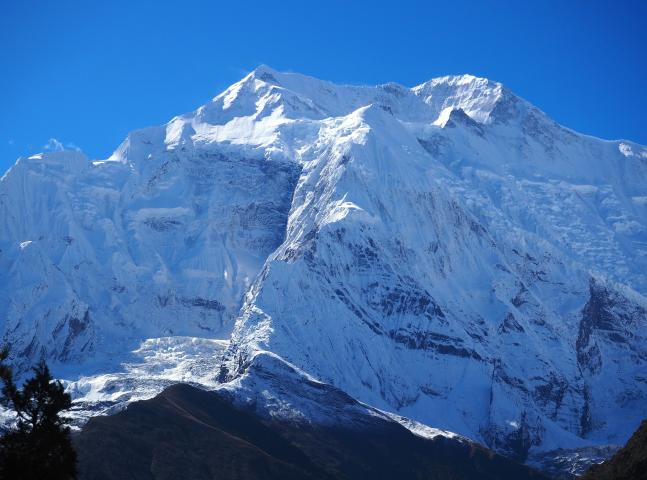
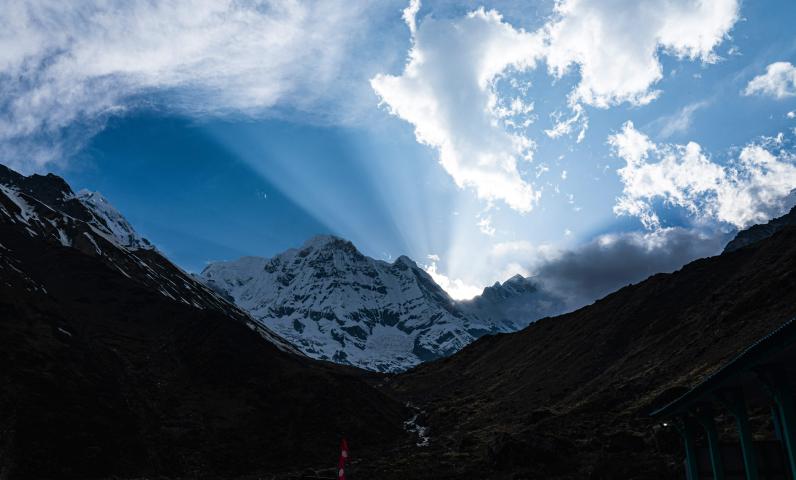
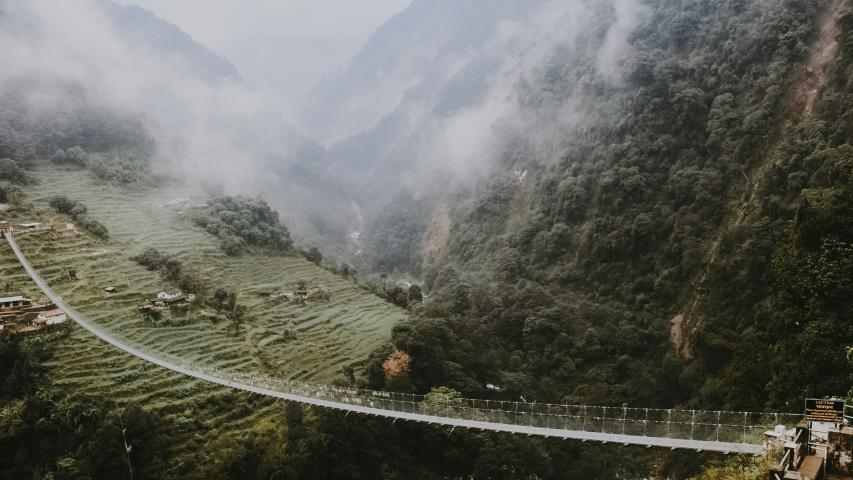
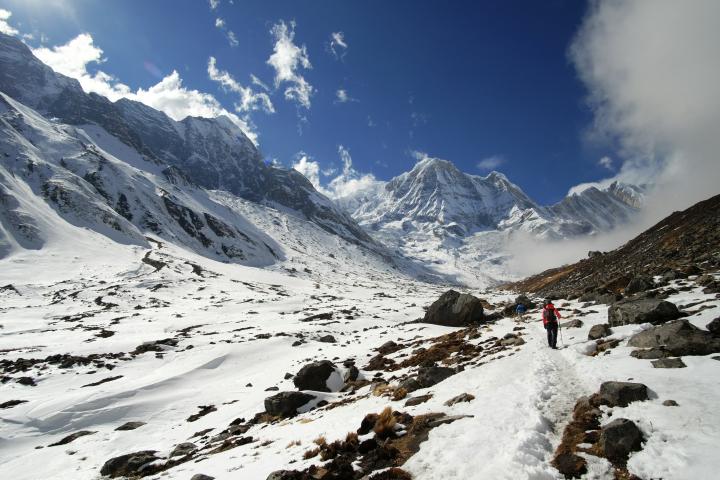
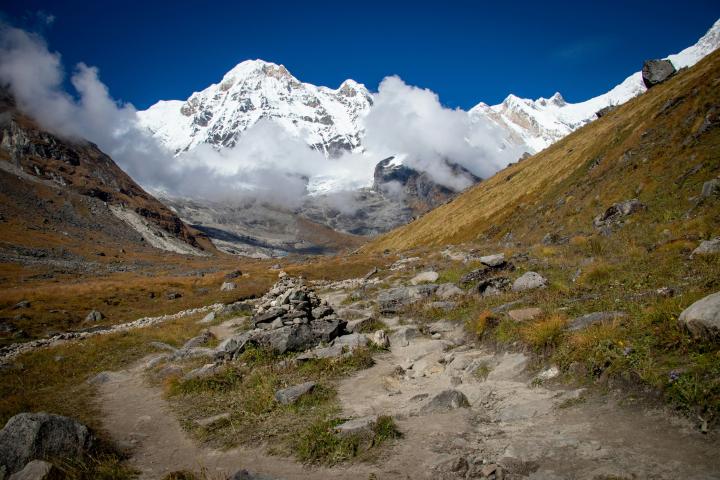
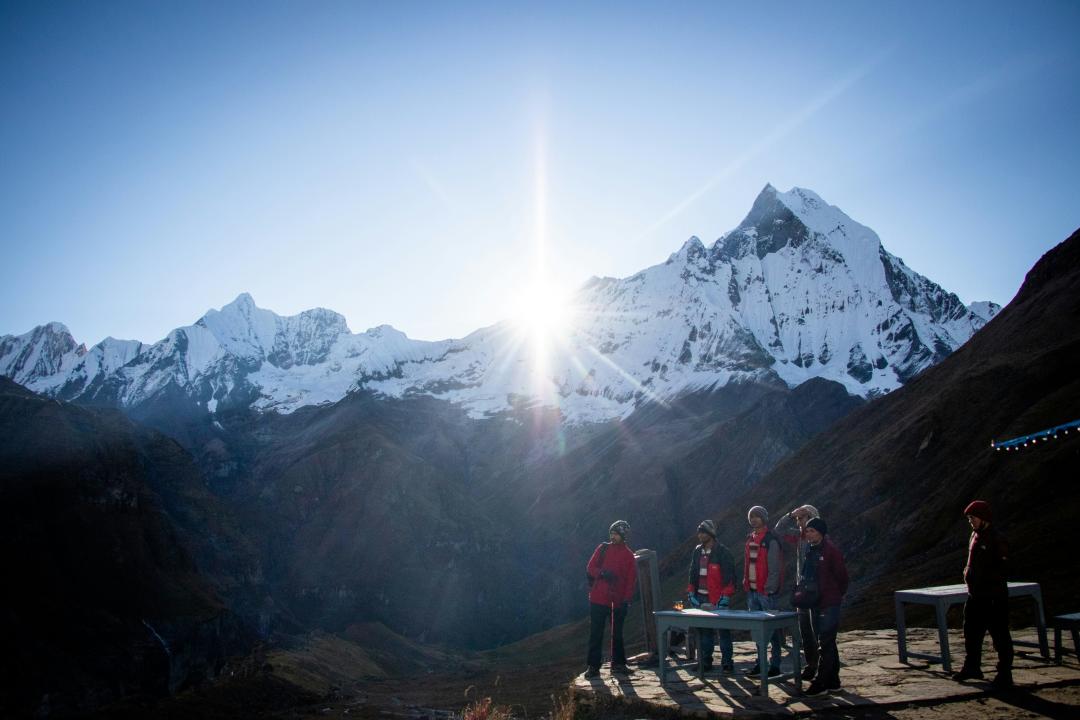
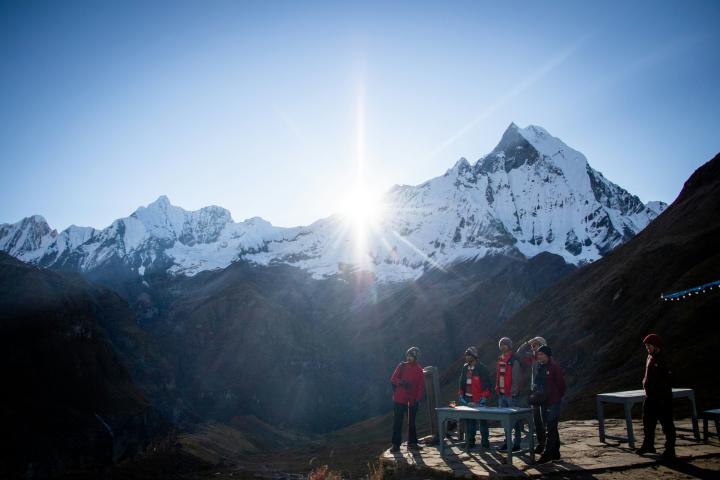
The Annapurna Base Camp (ABC) trek takes you to the heart of the Annapurna range. It passes through lush forests, rhododendron trails, and traditional Gurung and Magar villages. ABC is famous for its scenic beauty, with Machhapuchhre and Annapurna South towering above.
ABC is shorter and lower in altitude than EBC. The highest point is Annapurna Base Camp at 4,130 meters. The total trek distance is about 70 kilometers, usually completed in 7 to 10 days. The ascent is gradual, making it easier for beginners or those who prefer moderate treks. While still challenging, ABC is generally considered less physically demanding than EBC, though the trail can get muddy and steep in places.
Comparing the Difficulty
The difficulty of a trek depends on several factors: altitude, distance, weather, and personal fitness.
Altitude: EBC reaches over 5,000 meters, while ABC stays around 4,100 meters. Higher altitude increases the risk of altitude sickness and makes breathing harder.
Distance and Duration: EBC is longer and takes more days to complete. ABC is shorter and can be finished in less than two weeks.
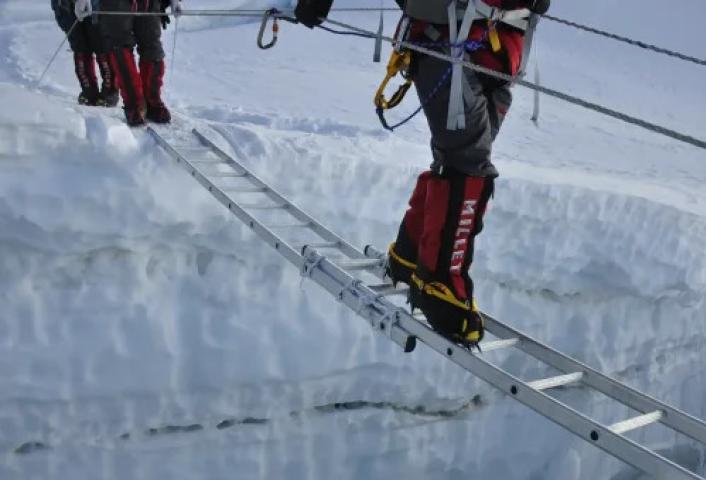
Trail Conditions: Both trails have steep sections, but EBC often has rocky paths and icy areas at higher elevations. ABC has more forest trails and moderate climbs.
In short, EBC is physically harder because of higher altitude and longer distance. ABC is easier but still rewarding, with amazing views and diverse landscapes.
Weather and Seasons
Both treks are best in spring (March–May) and autumn (September–November). Clear skies and moderate temperatures make trekking comfortable.
EBC: Temperatures drop sharply above 4,000 meters. Nights can be freezing. Snow can block trails in winter.
ABC: Weather is milder, with warmer nights at lower elevations. Monsoon season (June–August) brings heavy rain and slippery trails.
Choosing the right season can make either trek safer and more enjoyable.
Experience and Preparation
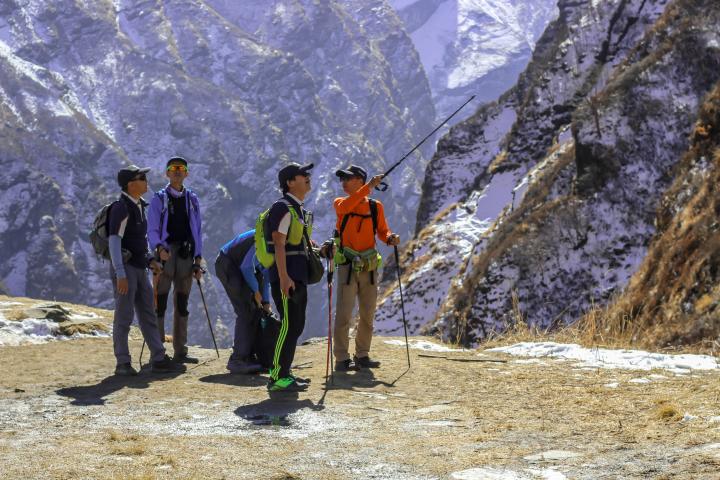
EBC requires good fitness and some prior trekking experience. You need to prepare for long days, high altitude, and cold temperatures. Trekking poles, proper boots, layered clothing, and hydration are essential.
ABC is suitable for beginners or travelers with limited time. Still, proper preparation and acclimatization are important, especially above 3,000 meters. Both treks reward careful planning with breathtaking scenery.
Which Trek Should You Choose?
If your goal is a physical challenge and to see the world’s highest peaks, EBC is the trek for you. It pushes endurance, stamina, and determination to the limit.
If you want a shorter trek with stunning views, diverse landscapes, and less altitude stress, the Annapurna Base Camp trek is ideal. You still get snow-capped mountains, beautiful forests, and local culture, but with less strain on your body.
Both treks offer unforgettable Himalayan experiences. It really comes down to your fitness, time, and sense of adventure.
Final Thoughts
EBC and ABC are two of Nepal’s most iconic treks. One is higher, longer, and tougher. The other is slightly easier, shorter, and still incredibly rewarding.
Choosing between Everest Base Camp and Annapurna Base Camp depends on your goals, fitness, and trekking experience. Whichever you pick, you will return with memories of towering peaks, quiet villages, and the magic of the Himalayas.
The mountains are waiting. Now it’s your turn to take the first step.