
In today’s fast-moving digital landscape, businesses need IT infrastructure that is flexible, reliable, and powerful. Linux virtual machine solutions have become a preferred choice for organizations seeking high performance and scalable cloud environments. By combining the stability of Linux with the flexibility of virtualization, companies can build cost-effective and future-ready infrastructure.
What Is a Linux Virtual Machine?
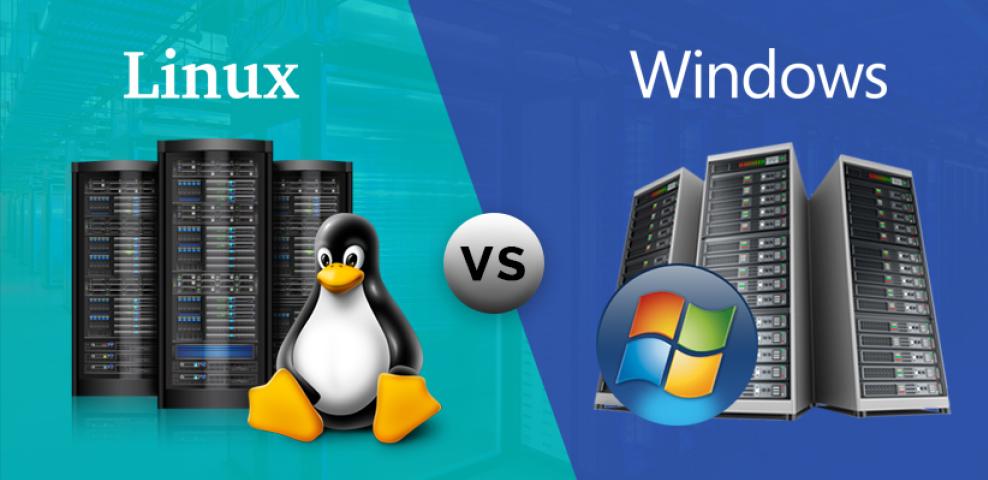
A Linux virtual machine (VM) is a virtualized server environment that runs on a Linux operating system. It operates independently within a physical server using virtualization technology. This allows multiple virtual machines to share the same hardware while functioning as separate, secure systems. linux virtual machine Businesses can deploy applications, host websites, manage databases, and run development environments without investing in expensive physical servers.
High Performance for Demanding Workloads
Performance is one of the biggest advantages of Linux virtual machine solutions. Linux is known for its stability, lightweight architecture, and efficient resource management. When combined with modern cloud infrastructure and SSD storage, Linux VMs deliver fast processing speeds and minimal downtime. This makes them ideal for handling high-traffic websites, enterprise applications, and data-driven platforms.
Scalable Cloud Infrastructure
Scalability is essential for growing businesses. Linux virtual machines allow organizations to scale resources such as CPU, RAM, and storage based on demand. Whether experiencing seasonal traffic spikes or steady business growth, companies can upgrade their virtual resources without disrupting operations. This flexibility ensures businesses only pay for what they use while maintaining optimal performance.
Enhanced Security and Control
Security is a top priority for any digital operation. Linux offers strong built-in security features, regular updates, and a large open-source community that actively addresses vulnerabilities. Virtual machines also provide isolated environments, reducing risks associated with shared resources. Additionally, businesses gain full control over configurations, software installations, and security policies.
Cost-Effective and Reliable
Compared to traditional dedicated servers, Linux virtual machine solutions are more affordable and efficient. They reduce hardware costs, maintenance expenses, and energy consumption. At the same time, cloud-based infrastructure ensures high availability and reliable uptime.
Conclusion
Linux virtual machine solutions deliver a powerful combination of performance, scalability, security, and cost efficiency. Neon Cloud For businesses looking to modernize their IT infrastructure, adopting Linux VMs provides a strong foundation for innovation, growth, and long-term digital success.