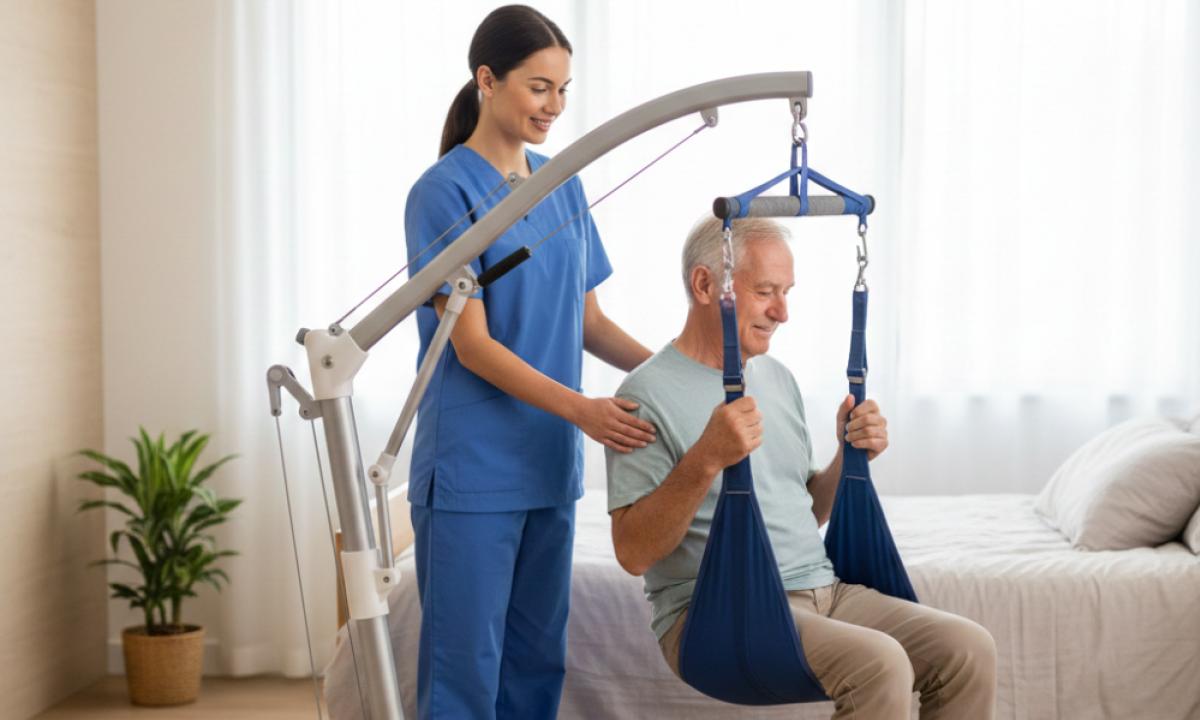
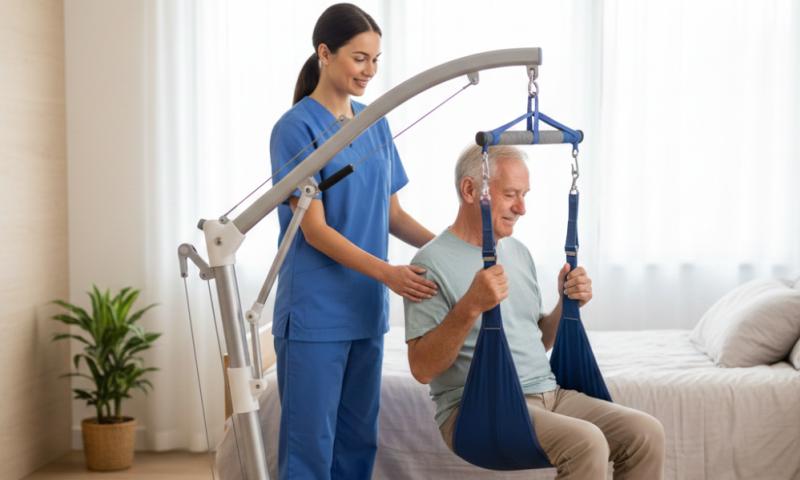
But can hoists truly prevent back pain and musculoskeletal disorders in healthcare staff? The short answer is yes — when used correctly and consistently, they significantly reduce the physical strain that leads to injury.
Let’s explore how.
Understanding the Scope of the Problem
Healthcare workers experience some of the highest rates of musculoskeletal injuries across all professions. These injuries typically affect:
Lower back
Shoulders
Neck
Knees
Wrists
The most common cause? Manual patient handling.
Even when caregivers use proper lifting techniques, the repeated strain of supporting another person’s weight — especially when that weight shifts unexpectedly — puts enormous pressure on the spine.
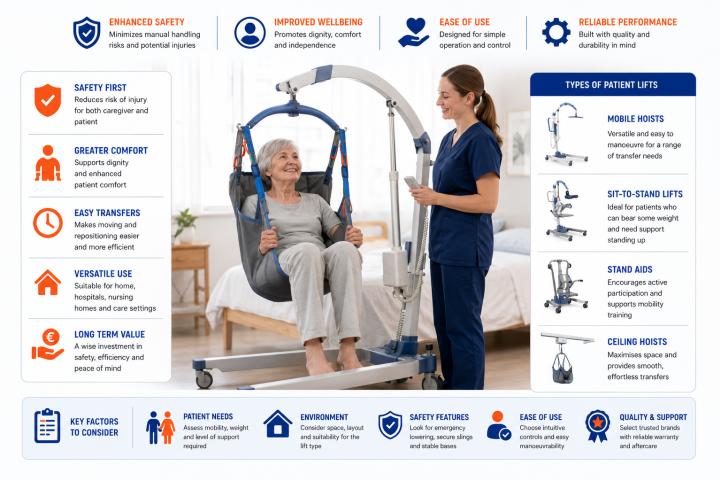
A hoist for the elderly and patients removes much of this direct physical load from the caregiver’s body.
Why Back Injuries Are So Common in Care Settings
The spine is not designed to repeatedly lift heavy, unstable loads. In healthcare environments, caregivers often:
Bend over beds at awkward angles
Twist while assisting transfers
Support patients who cannot balance themselves
Lift from low surfaces
Work long shifts without adequate rest
These movements create compression in spinal discs and strain muscles beyond their limits.
Over time, this leads to:
Chronic lower back pain
Herniated discs
Sciatica
Muscle tears
Long-term mobility issues
Introducing Patient Hoists into daily routines dramatically reduces these risks.
How Patient Hoists Reduce Spinal Pressure
1. Eliminating Direct Weight Bearing
When lifting manually, caregivers carry a significant portion of a patient’s body weight. With a hoist for elderly individuals, the mechanical system carries the weight instead.
Whether hydraulic or electric, the lifting mechanism does the heavy work. The caregiver’s role shifts from lifting to guiding and monitoring — a much safer position physically.
2. Preventing Awkward Postures
Back injuries often occur not from weight alone, but from poor body positioning. Twisting and bending while lifting is extremely harmful.
Using Patient Hoists allows caregivers to maintain a more neutral spine position. They can stand upright while operating controls, reducing stress on the lower back.
3. Reducing Repetitive Micro-Trauma
Musculoskeletal disorders don’t always result from one major accident. Often, they develop slowly from repetitive small strains.
A hoist for the elderly and patients reduces daily repetitive lifting motions, which protects muscles and joints from cumulative damage.
The Link Between Hoists and Musculoskeletal Disorder Prevention
Musculoskeletal disorders (MSDs) occur when muscles, tendons, ligaments, and joints are overworked. In healthcare, these conditions are common because manual handling is frequent and unavoidable.
By integrating Patient Hoists into care plans, facilities can:
Lower the incidence of staff injuries
Reduce sick leave
Improve staff retention
Enhance workplace safety standards
Studies and workplace reports consistently show that facilities using proper lifting equipment experience fewer injury claims compared to those relying heavily on manual handling.
Protecting Staff in Long-Term Care Facilities
In nursing homes and rehabilitation centers, patient transfers happen multiple times daily. Without a hoist for elderly residents, staff may perform dozens of manual lifts per shift.
Over months and years, this leads to:
Chronic pain
Reduced work ability
Early retirement due to injury
Using Patient Hoists is not just about immediate safety — it’s about preserving long-term career health.
Home Care Settings: A Growing Concern
Back pain isn’t limited to professional caregivers. Family members providing home care are equally at risk.
Spouses and adult children often attempt manual lifting without realizing the strain it causes. A hoist for elderly family members ensures safer transfers at home, protecting both the caregiver and the loved one.
Home caregivers rarely have formal training, which makes mechanical assistance even more important.
Electric vs. Manual Hoists: Which Is Better for Back Protection?
Both types reduce lifting strain, but electric models provide the highest level of physical relief.
Electric Patient Hoists:
Require minimal physical effort
Offer smooth, controlled lifting
Reduce pumping motion fatigue
Provide consistent speed
Manual hydraulic hoists still offer protection, but repeated pumping can cause mild arm and shoulder strain over time.
For facilities focused on long-term staff health, electric hoists are often the preferred choice.
Encouraging a Culture of Safety
Even the best hoist for elderly and patients cannot prevent injuries if staff are reluctant to use it. In some care environments, workers may feel pressured to move quickly and skip equipment usage.
Creating a safety-first culture means:
Training staff thoroughly
Encouraging consistent hoist use
Setting realistic time expectations
Reinforcing injury prevention policies
When caregivers feel supported, they are more likely to use Patient Hoists correctly and consistently.
Psychological Relief from Reduced Physical Strain
Chronic back pain doesn’t just affect the body — it impacts mental well-being too. Caregivers suffering from ongoing discomfort may feel:
Fatigued
Irritable
Stressed
Burned out
By reducing physical strain, a hoist for elderly individuals indirectly improves mental health and job satisfaction.
Pain-free caregivers provide better, more compassionate care.
The Financial Impact of Injury Prevention
Back injuries are expensive — both for individuals and healthcare facilities. Costs include:
Medical treatment
Lost wages
Workers’ compensation claims
Staff replacement expenses
Investing in Patient Hoists may seem costly initially, but the long-term savings from injury prevention often outweigh the upfront expense.
Prevention is always more affordable than treatment.
When Should Hoists Be Used?
Hoists should be considered whenever:
A patient cannot bear full weight
Two caregivers are required for manual lifting
There is a high fall risk
The caregiver experiences strain during transfers
The patient is bariatric
A hoist for the elderly and patients should not be viewed as optional equipment — it should be part of standard safety practice.
Final Thoughts
Back pain and musculoskeletal disorders are not inevitable in healthcare. They are often preventable with the right equipment and proper usage.
Patient Hoists significantly reduce the physical demands placed on caregivers. By eliminating heavy lifting, promoting proper posture, and reducing repetitive strain, they play a crucial role in protecting long-term spinal health.
Whether in hospitals, nursing homes, or private residences, investing in a hoist for elderly individuals is an investment in workforce sustainability, safety, and quality care.
Preventing back pain isn’t just about comfort — it’s about ensuring that caregivers can continue doing the work they love without sacrificing their own health.
Source Article - https://www.iplocation.net/how-do-hoists-protect-patients-and-caregivers