Our feet carry us through thousands of steps every single day, yet they’re often the most neglected part of the body. Most people don’t think about foot health until pain appears—or worse, until a serious complication develops. This is where podiatry care becomes incredibly important.
Podiatry isn’t just about trimming nails or treating minor foot pain. It plays a crucial role in preventing infections, mobility issues, and long-term complications—especially for people with chronic conditions like diabetes, arthritis, or poor circulation. Understanding why podiatry care matters can help you avoid preventable problems and maintain an active, pain-free life>
What Is Podiatry Care?
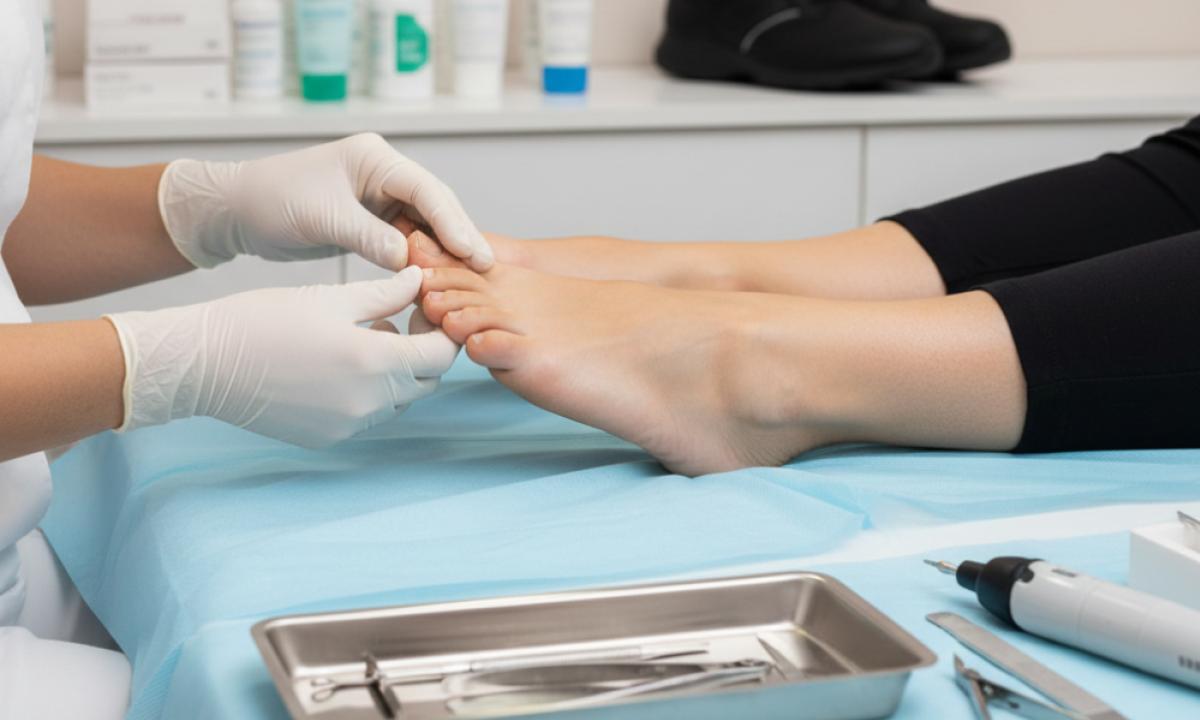
Podiatry care focuses on diagnosing, treating, and preventing conditions affecting the feet, ankles, and lower limbs. A podiatrist is trained to handle everything from common concerns like ingrown toenails and calluses to more serious conditions such as diabetic foot ulcers and structural deformities.
Preventive podiatry care is especially important because many foot problems develop gradually. By the time symptoms become painful or visible, the issue may already be advanced.
Why Foot Health Should Never Be Ignored
Your feet contain 26 bones, over 30 joints, and more than 100 muscles, tendons, and ligaments. That complex structure absorbs impact, supports your body weight, and helps maintain balance.
When foot health is compromised, it can affect:
Posture
Walking pattern (gait)
Knee and hip alignment
Lower back health
Ignoring minor foot issues can lead to more serious complications that impact mobility and quality of life.
The Role of Podiatry in Preventing Foot Complications
1. Early Detection of Problems
Many foot conditions start small—slight redness, mild discomfort, a thickened nail—but can escalate if untreated. Regular podiatry visits help identify problems early before they turn into infections or chronic pain conditions.
For example:
A small blister can turn into a serious ulcer.
A mild fungal infection can spread and damage the nail bed.
A slight alignment issue can lead to long-term joint strain.
Early intervention is always simpler, less painful, and more cost-effective.
2. Preventing Diabetic Foot Complications
One of the most critical roles of podiatry care is in diabetes management. High blood sugar levels can damage nerves (neuropathy) and reduce circulation in the feet. This makes it difficult to feel injuries and slows down healing.
Without proper care, minor cuts or pressure sores can develop into:
Foot ulcers
Serious infections
Tissue damage
In severe cases, amputation
Regular podiatry check-ups help monitor circulation, detect pressure points, and manage nail and skin health safely. Proper foot care significantly reduces the risk of severe diabetic complications.
3. Managing Corns, Calluses, and Nail Conditions Safely
Corns and calluses may seem harmless, but they often indicate abnormal pressure or friction. If left untreated, they can become painful or lead to skin breakdown.
Similarly, improper nail trimming can cause ingrown toenails, leading to swelling and infection. Professional podiatry care ensures safe removal and correction, reducing the risk of recurring issues.
4. Improving Mobility and Balance
Foot pain changes the way you walk. Over time, this compensation can cause knee, hip, or lower back problems.
Podiatrists assess gait and foot structure to identify abnormalities such as:
Flat feet
High arches
Overpronation
Plantar fasciitis
By recommending orthotics, footwear modifications, or exercises, podiatry care improves overall biomechanics and reduces the risk of long-term joint damage.
5. Preventing Infections
Fungal infections, cracked heels, and untreated wounds create entry points for bacteria. For individuals with weakened immune systems, this can quickly escalate into serious infections.
Routine podiatry care helps maintain healthy skin integrity, ensuring minor skin problems are treated before they worsen.
Who Needs Regular Podiatry Care?
While everyone benefits from good foot care, certain groups should prioritize podiatry visits:
People with diabetes
Elderly individuals
Athletes
Individuals with poor circulation
People with arthritis
Those with recurring foot pain
For seniors especially, reduced flexibility and vision can make proper foot care difficult. Professional support helps prevent falls, infections, and mobility decline.
The Hidden Risks of Ignoring Foot Problems
Many people attempt home remedies or ignore symptoms altogether. While some minor issues may resolve, others can silently progress.
Potential complications include:
Chronic pain
Joint deformities
Persistent infections
Limited mobility
Increased fall risk
Hospitalization in severe cases
Preventive podiatry care is far less invasive than treating advanced conditions.
The Importance of Proper Footwear Guidance
Ill-fitting shoes are one of the leading causes of foot problems. Tight shoes can cause bunions, corns, and nail issues, while unsupportive footwear may contribute to plantar fasciitis or heel pain.
Podiatrists often provide guidance on:
Correct shoe size and fit
Arch support needs
Pressure distribution
Footwear for specific conditions
This simple step alone can prevent numerous complications.
How Often Should You See a Podiatrist?
The frequency depends on your health status:
High-risk individuals (e.g., diabetes): every 2–3 months
Moderate concerns: every 6 months
General preventive care: annually
However, immediate consultation is recommended if you notice:
Persistent pain
Swelling
Redness or warmth
Non-healing wounds
Changes in nail color or thickness
Early action prevents long-term damage.
Simple Daily Habits to Support Podiatry Care
In addition to professional visits, good daily foot care includes:
Inspecting feet daily for cuts or blisters
Washing and drying thoroughly (especially between toes)
Moisturizing to prevent cracks
Trimming nails straight across
Wearing clean, breathable socks
Choosing properly fitted shoes
These habits complement podiatry treatment and significantly reduce complication risks.
The Long-Term Benefits of Preventive Podiatry Care
Investing in foot health today means:
Reduced medical costs in the future
Improved mobility
Lower risk of serious infections
Better balance and posture
Enhanced quality of life
Healthy feet support independence, especially as we age. When mobility declines, overall physical and mental health often follows.
Final Thoughts
Podiatry care is not a luxury—it’s a preventive health necessity. The feet are foundational to movement, balance, and independence. Ignoring minor issues can lead to major complications, particularly for individuals with underlying health conditions.
Regular podiatry visits, combined with proper footwear and daily care, significantly reduce the risk of infections, ulcers, structural deformities, and chronic pain. Taking care of your feet today ensures you stay active, mobile, and comfortable tomorrow.
Your feet work hard for you every day. Giving them professional care isn’t just about comfort—it’s about protecting your long-term health.
Source Article - https://www.webtrafficexchange.com/why-is-podiatry-care-important-in-preventing-foot-complications