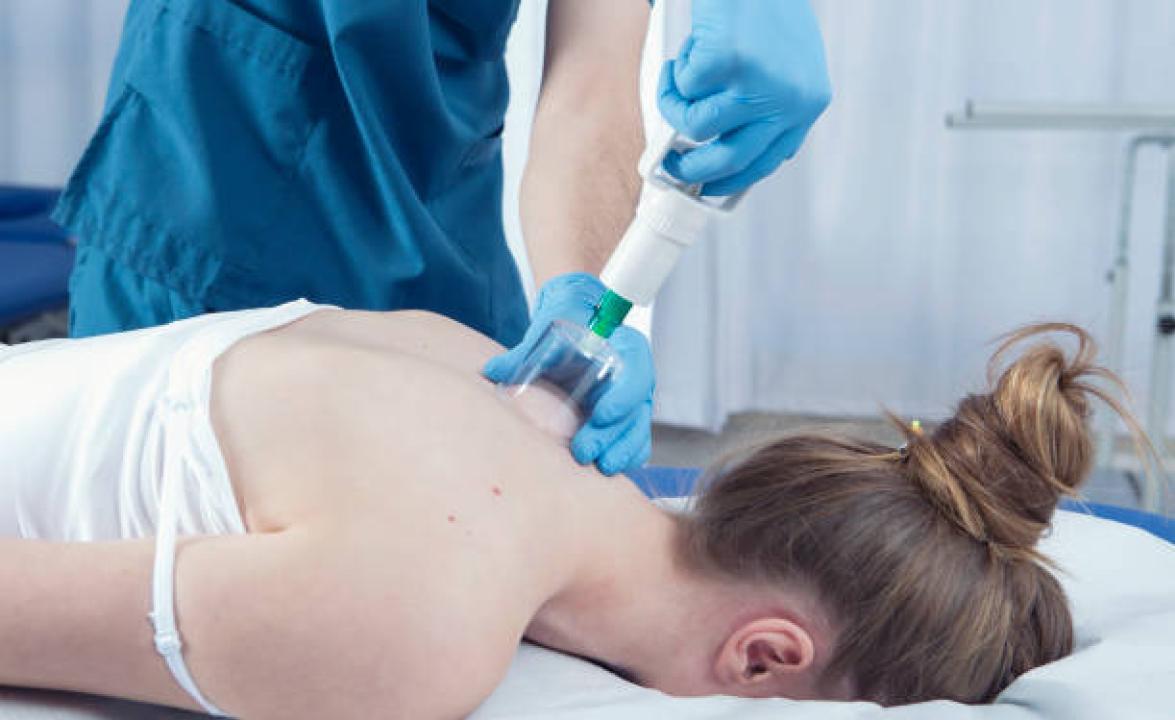
In recent years, natural and alternative healing therapies have gained global popularity. Among these treatments, hijama cupping therapy stands out as one of the oldest and most respected holistic practices. Rooted in ancient traditions and supported by modern wellness trends, hijama is widely recognized for its potential health benefits, detoxifying properties, and therapeutic effects.
This article explores what hijama cupping therapy is, how it works, its benefits, procedure details, safety considerations, and why many people are turning to this time-tested healing method.
What Is Hijama Cupping Therapy?
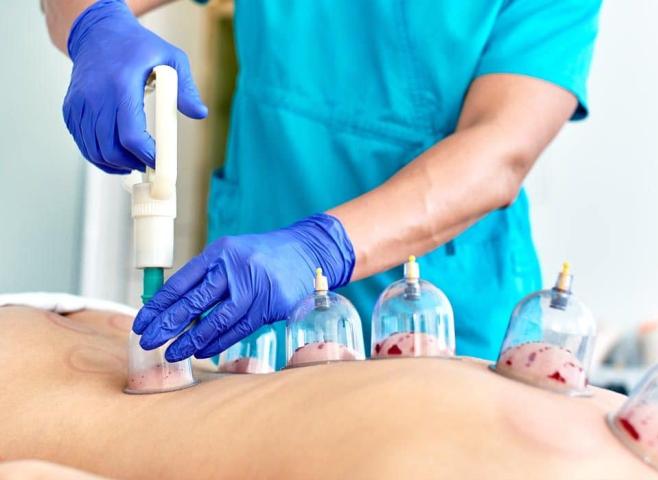
Hijama, also known as wet cupping therapy, is a traditional healing practice that involves placing special cups on the skin to create suction. After suction is applied, small superficial incisions are made to draw out stagnant blood and toxins from the body.
The word “hijama” originates from Arabic, meaning “to suck.” While cupping therapy has been practiced in various cultures — including Chinese, Middle Eastern, and Greek medicine — hijama specifically refers to the wet cupping method commonly practiced in Islamic medicine.
Today, modern clinics offering hijama cupping therapy combine traditional techniques with sterile medical standards to ensure safety and effectiveness.
The History and Origins of Hijama
Hijama has been practiced for thousands of years. Historical records show its use in:
Ancient Egyptian medicine
Traditional Chinese medicine
Greek and Unani medicine
Prophetic medicine in Islamic tradition
It was believed that removing “stagnant” or “impure” blood helped restore balance within the body. While ancient healers described it in spiritual and humoral terms, modern interpretations connect hijama with improved circulation and detoxification.
How Hijama Cupping Therapy Works
Hijama therapy follows a structured process:
1. Consultation
A trained practitioner assesses the patient’s condition, medical history, and treatment goals.
2. Cup Placement
Special cups (glass, plastic, or silicone) are placed on specific points of the body — commonly the back, shoulders, neck, or head.
3. Suction Creation
Suction is created using either a manual pump or heat technique. This pulls the skin upward into the cup.
4. Small Incisions
After a few minutes, the cups are removed and small, shallow incisions are made on the skin.
5. Blood Extraction
The cups are reapplied to draw out a small amount of blood.
6. Cleaning and Dressing
The area is sterilized and covered to promote healing.
The entire session typically lasts 30–60 minutes.
Potential Benefits of Hijama Cupping Therapy
Many people choose hijama therapy for its wide range of reported health benefits. Although research is still evolving, supporters and practitioners commonly highlight the following advantages:
1. Detoxification
Hijama is believed to remove toxins and stagnant blood from the body, promoting better internal balance.
2. Pain Relief
It is commonly used to relieve:
Back pain
Neck pain
Migraines
Joint discomfort
Muscle stiffness
The suction may help stimulate blood circulation and reduce inflammation.
3. Improved Blood Circulation
The suction effect increases localized blood flow, which may accelerate healing and tissue repair.
4. Stress Reduction
Many patients report feeling relaxed and rejuvenated after treatment. The therapy may help lower stress and anxiety levels.
5. Immune System Support
Some practitioners believe hijama stimulates immune function by improving circulation and removing harmful substances.
6. Hormonal Balance
It is sometimes used to support hormonal health and menstrual irregularities.
Who Can Benefit from Hijama?
Hijama therapy may be suitable for individuals experiencing:
Chronic pain
Fatigue
Stress
Headaches
Digestive issues
Sports injuries
However, it may not be recommended for:
Pregnant women (without medical advice)
Individuals with anemia
People with bleeding disorders
Those on blood-thinning medications
Always consult a qualified healthcare professional before undergoing treatment.
Is Hijama Cupping Therapy Safe?
When performed by trained professionals in sterile conditions, hijama is generally safe. Reputable clinics follow strict hygiene protocols, including:
Use of disposable blades
Sterilized equipment
Proper wound care
Mild side effects may include:
Temporary bruising
Light dizziness
Mild soreness
These effects typically resolve within a few days.
What to Expect After the Procedure
After hijama therapy, patients are advised to:
Drink plenty of water
Avoid heavy exercise for 24 hours
Keep the treated area clean and dry
Avoid smoking or heavy meals immediately after
Most individuals feel refreshed and energized within a short period.
Hijama in Modern Wellness Centers
Today, hijama is offered in professional wellness and medical centers worldwide. Cities known for medical tourism, including Gold City, have seen growing demand for alternative therapies such as hijama alongside advanced medical procedures.
Many patients combine holistic treatments with other cosmetic or medical procedures during their health journeys.
For example, individuals researching natural healing options often also explore aesthetic treatments such as hair restoration. If you are considering cosmetic procedures, you may also want to learn more about hair transplantation to understand modern solutions for hair loss.
Hijama vs. Dry Cupping: What’s the Difference?
It is important to distinguish between:
Dry Cupping – Only suction is applied; no incisions are made.
Wet Cupping (Hijama) – Includes small incisions and blood extraction.
Hijama is considered more intensive and traditionally aimed at detoxification.
Scientific Perspective on Hijama
Modern research into hijama is ongoing. Some studies suggest cupping therapy may:
Improve blood flow
Reduce inflammation
Support pain management
However, more large-scale clinical trials are needed to fully confirm long-term benefits. As with many complementary therapies, results can vary between individuals.
Choosing the Right Hijama Practitioner
Selecting a certified and experienced practitioner is essential. When choosing a clinic, consider:
Professional qualifications
Sterile environment
Transparent consultation process
Positive patient reviews
Avoid unlicensed or unregulated providers to reduce the risk of infection or improper treatment.
Frequently Asked Questions
Does hijama hurt?
Most patients report mild discomfort during suction and light stinging during incisions, but it is generally tolerable.
How often should hijama be done?
Frequency depends on individual health goals. Some people undergo therapy monthly, while others choose seasonal sessions.
How long do the marks last?
Circular marks may remain for a few days to two weeks, depending on skin sensitivity.
Final Thoughts
Hijama cupping therapy is a time-honored healing practice that continues to gain recognition in modern wellness culture. With its roots in ancient medicine and its integration into contemporary clinics, it offers a holistic option for those seeking natural detoxification and pain relief.
When performed by trained professionals under hygienic conditions, hijama can be a safe complementary therapy for overall well-being. As with any health treatment, always consult a qualified healthcare provider before beginning therapy.