Home is often described as a sanctuary, a place where the outside world fades away and comfort takes center stage. However, maintaining that sense of peace requires more than just a sturdy lock on the front door. In an era where home security is a top priority for families and property owners alike, the physical barriers we choose to install play a critical role in our overall well-being. Among the most effective and versatile upgrades available today is the security screen door. While many people associate these fixtures with the bulky, industrial-looking metal bars of the past, modern engineering has transformed them into sleek, high-performance additions that blend seamlessly with contemporary architecture.
Choosing to invest in a security screen door is not just about keeping intruders out, it is about creating a functional living space that allows for airflow, visibility, and peace of mind. Unlike traditional wooden or glass doors, security screens provide a unique layer of protection that remains active even when your main door is open. This guide explores the multifaceted benefits of these installations, the technical specifications that define a quality product, and how to choose the right fit for your home’s unique aesthetic and security needs.
Redefining the First Line of Defense
When we talk about home security, the front entrance is statistically the most common point of entry for unauthorized individuals. A standard front door, while often aesthetically pleasing, can be vulnerable to forced entry through kicking, prying, or lock manipulation. A dedicated security screen door acts as a primary deterrent. Its presence alone sends a clear message to opportunistic burglars that this home is not an easy target. The psychological impact of a visible security measure is often enough to make a potential intruder move on to a less protected property.
The real value of these doors, however, lies in their construction. High-quality security screens are built using reinforced frames, typically made from heavy-duty aluminum or galvanized steel. The mesh itself is often a high-tensile stainless steel wire that is woven so tightly it becomes virtually impossible to cut with standard household tools or even heavy-duty shears. This creates a barrier that is as tough as a solid wall but as transparent as a standard window screen.
The Harmony of Airflow and Protection
One of the greatest frustrations of summer months is the choice between security and ventilation. Many homeowners feel forced to keep their solid doors shut and locked to stay safe, which prevents natural breezes from cooling the house. This often leads to an over-reliance on air conditioning, resulting in higher energy bills and a stuffy indoor environment. Security screen doors solve this dilemma perfectly.
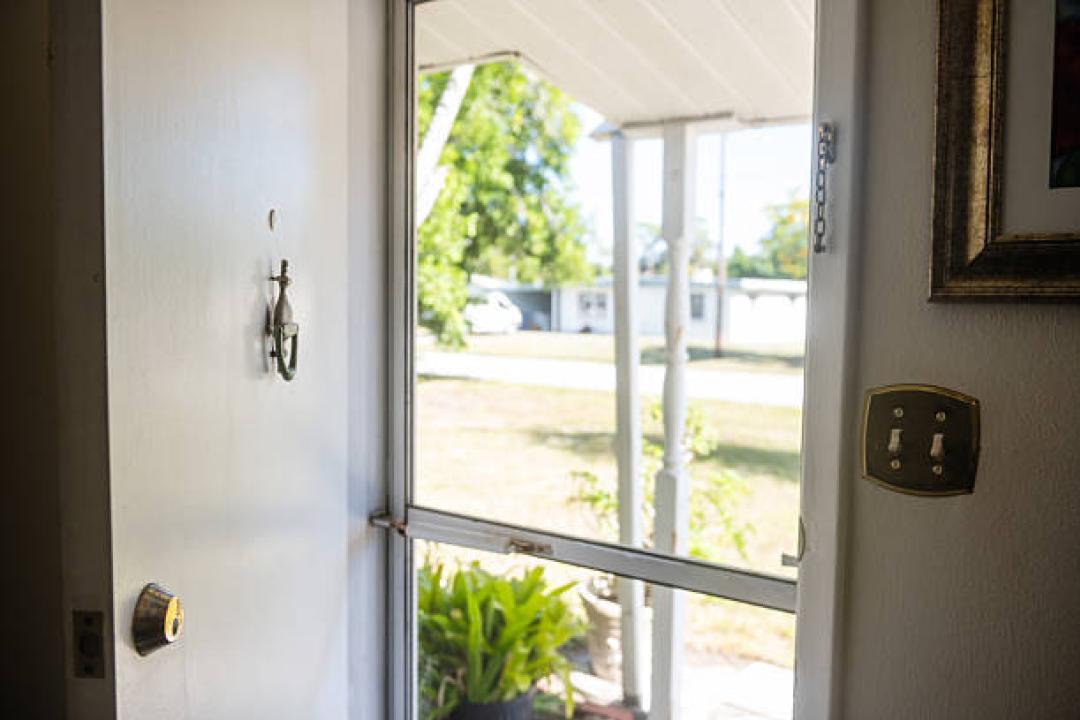
Because the mesh is designed to be breathable, you can leave your main entry door wide open while the security screen remains locked. This allows for cross-ventilation, which naturally lowers the temperature of your home and improves indoor air quality by cycling out stale air. Furthermore, the fine weave of the mesh serves a dual purpose by keeping out unwanted pests like flies, mosquitoes, and even smaller midges. You get the benefit of the Great Outdoors without the bugs or the vulnerability.
Technical Features That Matter
Not all screen doors are created equal, and understanding the components that differentiate a "screen door" from a "security door" is essential for making an informed purchase. A true security door must meet specific testing standards for impact, shearing, and longevity.
Reinforced Frames and Hinges
The frame is the skeleton of the door. If the frame is flimsy, the strongest mesh in the world won't matter. Look for frames that are mitered at the corners and reinforced with internal stakes. Equally important are the hinges. A standard door might have two or three basic hinges, but a security door often utilizes recessed or "pin-protected" hinges that cannot be removed from the outside. Some high-end models even feature full-length piano hinges that distribute the weight of the door evenly and prevent prying at the pivot points.
The Locking System
A security door is only as good as its lock. Most experts recommend a three-point locking system. This mechanism engages the door frame at the top, middle, and bottom with a single turn of the key. By spreading the locking points across the entire height of the door, it becomes significantly harder for an intruder to lever the door open from either the top or the bottom corners.
Mesh Integrity
The mesh is the most visible part of the door and the part most likely to be attacked. Stainless steel mesh, specifically Grade 316, is the industry gold standard. It is highly resistant to corrosion, which is vital for homes in coastal areas where salt spray can eat through lesser metals. The mesh is usually powder-coated in a matte black finish, which reduces glare and provides a "one-way" visibility effect; you can see out clearly, but people passing by struggle to see inside.
Aesthetic Integration and Property Value
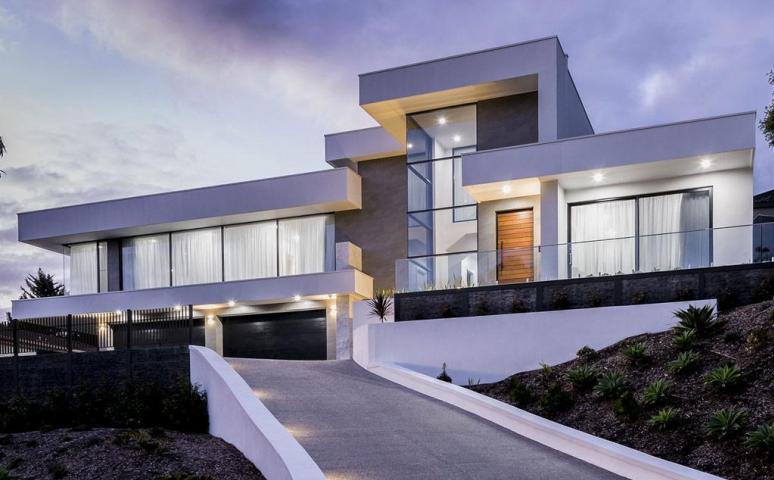
There is a common misconception that adding security features will detract from a home’s "curb appeal." In years past, this might have been true, but today’s designs are remarkably sophisticated. Security screen doors are now available in a vast array of colors and finishes to match your existing trim and siding. Whether your home is a minimalist modern build or a classic Victorian, there is a design that complements your architecture.
Beyond the immediate safety benefits, these doors are an investment in the value of your property. Potential buyers view pre-installed security features as a significant "plus," much like a renovated kitchen or a new roof. It signals that the home has been well-maintained and that the current owners prioritized safety. In many cases, insurance companies also offer premium discounts for homes equipped with certified security screens, providing a long-term return on investment that goes beyond simple peace of mind.
Choosing the Right Door for Your Needs
When you begin the process of selecting a door, it is helpful to assess your specific environment. If you live in a high-traffic urban area, you might prioritize a thicker mesh and a more robust locking system. If you live in a rural or coastal area, corrosion resistance and insect protection might be your primary concerns.
It is also vital to consider the installation process. A security door is a precision instrument, and even the best door will fail if it is not fitted correctly to the frame. Professional installation ensures that there are no gaps for pry bars to enter and that the door is perfectly plumb, allowing the multi-point locks to engage smoothly.
If you are ready to explore the specific models, materials, and custom options available for your home, taking the next step in your research is key to finding a solution that fits your budget and your >Click Here for More Information to see how these systems can be tailored to your specific entryway requirements.
Final Thoughts on Home Safety
In the grand scheme of home improvement, few upgrades offer the same level of daily utility as a security screen door. It is a rare product that manages to be both a rugged piece of safety equipment and a functional life>
Instead of a barrier that cuts you off from the world, a security screen door acts as a bridge, letting in the light and the air while maintaining a firm boundary against the unknown. As technology continues to advance, these doors will only become stronger, smarter, and more integrated into the modern smart home ecosystem. For now, sticking to the fundamentals of high-quality steel, reinforced frames, and professional installation remains the best way to secure what matters most.