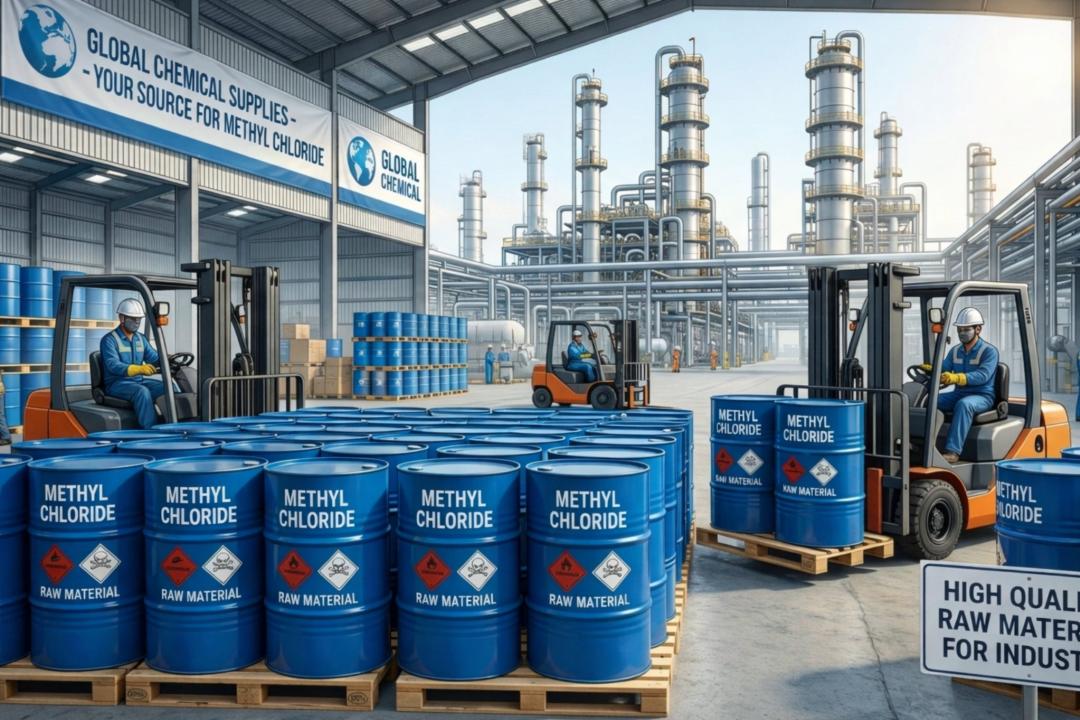
The Methyl Chloride Price Trend has become an important topic for manufacturers, traders, and buyers who are directly or indirectly connected to the chemical industry. Methyl chloride, also known as chloromethane, is widely used in the production of silicones, agrochemicals, pharmaceuticals, and other industrial applications. Because it is an essential raw material for many downstream products, even small changes in its pricing can affect the overall production cost of finished goods. In recent years, businesses have been closely watching the Methyl Chloride Price Trend to better plan their purchases and manage their budgets.
👉 👉 👉 Please Submit Your Query for Methyl Chloride Price Trend, demand-supply, suppliers, market analysis:https://www.price-watch.ai/book-a-demo/
Factors Influencing the Methyl Chloride Price Trend
Several key factors influence the movement of methyl chloride prices in the market. One of the most important factors is the cost of raw materials. Methyl chloride is generally produced from methanol and hydrogen chloride or methane and chlorine. When the prices of these feedstocks increase due to supply shortages or high demand, the cost of producing methyl chloride also rises. As a result, the final market price moves upward.
Energy costs also play a major role. Chemical manufacturing requires a stable supply of electricity and fuel. When energy prices increase, production expenses rise, which directly impacts the Methyl Chloride Price Trend. On the other hand, when energy costs stabilize or decrease, manufacturers may offer more competitive pricing.
Another major factor is supply and demand balance. If demand from industries such as silicone manufacturing increases, the pressure on supply grows. This can push prices higher. However, if production capacity expands or demand slows down, prices may stabilize or even decline. Market competition among suppliers also affects pricing, especially in regions where multiple producers operate.
Global Market Conditions and Trade Impact
Global trade conditions strongly affect the Methyl Chloride Price Trend. Since methyl chloride is traded internationally, shipping costs, port congestion, and import-export regulations can influence its final price. For example, when freight rates rise, the landed cost of the product becomes higher for importing countries. This often results in increased domestic prices.
Currency exchange rates are another important factor. If a country's currency weakens against the dollar, imported chemicals become more expensive. This directly impacts local buyers and contributes to price fluctuations. Trade policies and environmental regulations can also influence supply levels and production costs, indirectly shaping the pricing trend.
Industrial Demand and Methyl Chloride Prices
Methyl chloride prices are closely connected to the performance of key end-use industries. The silicone industry is one of the largest consumers of methyl chloride. When the construction, automotive, or electronics sectors grow, the demand for silicone products rises. This creates stronger demand for methyl chloride and supports higher prices.
Similarly, the agrochemical and pharmaceutical sectors contribute to steady demand. Seasonal demand in agriculture may sometimes create temporary price movements. When production runs at full capacity to meet high demand, the market often sees upward price pressure. In contrast, during slow industrial activity, the demand for methyl chloride softens, which can lead to price corrections.
Regional Variations in the Methyl Chloride Price Trend
The Methyl Chloride Price Trend does not move the same way in every region. Prices in Asia, Europe, and North America may differ based on local production capacity, feedstock availability, and industrial demand. For example, regions with strong chemical manufacturing infrastructure and easy access to raw materials may offer more stable pricing.
In developing markets, infrastructure challenges or limited local production can cause greater price volatility. Transportation costs within the country and supply chain efficiency also affect regional pricing. Buyers often compare international prices to make cost-effective sourcing decisions.
Future Outlook of the Methyl Chloride Price Trend
Looking ahead, the Methyl Chloride Price Trend is expected to remain influenced by raw material costs, environmental regulations, and global industrial growth. As industries focus more on sustainability, producers may invest in cleaner production technologies. While this can increase operational costs in the short term, it may lead to more stable supply in the long run.
Technological advancements and expansion of production facilities could help balance supply and demand. However, unexpected global events, geopolitical tensions, or sudden changes in energy prices can still create short-term fluctuations.
For businesses involved in chemical manufacturing or raw material supply, closely monitoring the Methyl Chloride Price Trend is essential. It helps in making informed procurement decisions, planning inventory, and managing overall production costs. By understanding market drivers and staying updated with global developments, companies can better handle price volatility and maintain stable business operations.
In conclusion, the Methyl Chloride Price Trend reflects a combination of raw material dynamics, industrial demand, energy costs, and global trade conditions. While price movements are natural in the chemical industry, careful planning and market awareness can help businesses reduce risks and improve profitability over time.
👉 👉 👉 Please Submit Your Query for Methyl Chloride Price Trend, demand-supply, suppliers, market analysis:https://www.price-watch.ai/book-a-demo/
About Price-Watch™
Price-Watch™ is an India-based, independent price reporting agency (PRA) that provides real-time price forecasts and data-driven insights into global raw material markets. It specializes in tracking prices, analyzing market trends, and delivering timely updates on plant shutdowns, supply disruptions, capacity expansions, and demand–supply dynamics. Price-Watch™ reporting goes beyond prices to include grade-level insights, applications, and country-level demand intelligence you can trust. Powered by AI forecasting and over a decade of historical data, the Price-Watch™ platform empowers manufacturers, traders, and procurement professionals to make faster, smarter decisions and turn market volatility into actionable opportunity.
Futura Tech Park,
C Block, 8th floor 334,
Old Mahabalipuram Road,
Sholinganallur, Chennai, Tamil Nadu, Pincode - 600119.
Linkedin: https://www.linkedin.com/company/price-watch-ai/
Facebook: https://www.facebook.com/people/Price-Watch/61568490385598/
Twitter: https://x.com/pricewatchai
Website: https://www.price-watch.ai/