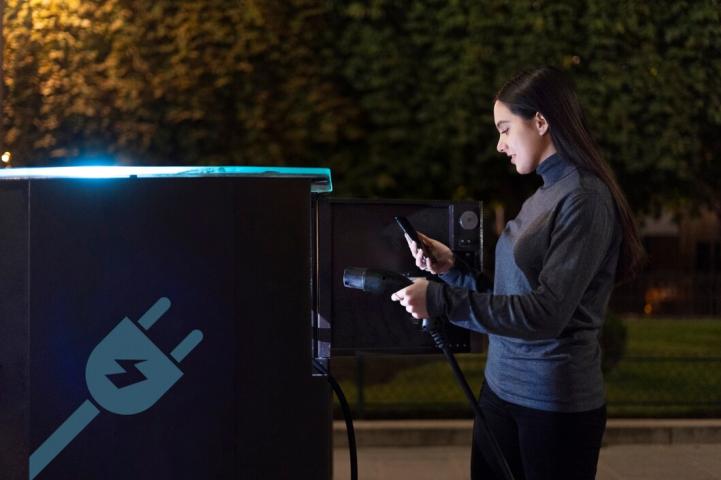
Electric vehicles are no longer futuristic technology, but a reality that businesses can use all over the world. According to recent reports in the industry, EV adoption has been skyrocketing, with more than 10 million EVs entering the roads every year and commercial fleets growing by the day. Simultaneously, companies are spending billions of dollars to increase charging infrastructure, as range anxiety and downtime are directly related to operations. All these changes demonstrate one evident fact: the practice of trustworthy charging should be included in any fleet strategy nowadays.
With the growing rate of commercial EV fleets faster than ever, operators now have an urgent problem, which is how to ensure vehicles remain charged and on the road without extensive permanent infrastructure and expensive downtime. Mobile EV charging and roadside assistance come into place there. Due to the emergence of portable B2B mobile EV charging services and on-call assistance, the fleets can now receive power on-demand and at the time and place where it is most needed. This change is more than just convenient; it's one of the central tenets in the process of scaling fleet operations safely, reliably, and at low cost.
Why Mobile EV Charging Roadside Assistance Matters for EV Fleets
With the shift of fleets to electric-powered vehicles, the predictable access to charging will become a strategic matter. Mobile EV charging takes power to the car in contrast to the fixed chargers that are fixed in one location. This particularly comes in handy when:
One of the vehicles ran out of charge during delivery routes.
EVs are in anticipation of the availability of fixed stations.
Electrical stations are either faulty or congested.
Fleets have an operation in areas that have low electric infrastructure.
Old-fashioned roadside services are usually about towing or refilling them with fuel, but EVs are not gasoline-powered, and towing is costly and time-intensive. Mobile charging bridges this gap by offering instant power, which cuts long downtimes and disruptions to operation.
As fleet EV charging services in the USA emerge as a necessity, businesses are finding out that on-demand charging is not a luxury; it is also a business requirement.
Supporting Scalability Through Flexible Charging Options
Scalability implies expansion - and expanding fleets should not have solutions that decelerate. This is the contribution of mobile EV charging:
1. Reduced Downtime
In any fleet, downtime is a latent expense. It can be a delivery van parked in front of a permanent station or a truck waiting to get a charging place, but every minute matters. Mobile charging forwards the charge where it is required, erasing any unwarranted waiting time and leaving the vehicles in efficient service.
With mobile EV charging services, the fleet managers do not have to work out strict schedules of charging or waste a lot of time deciding who will be allowed to charge first. On the contrary, they are more flexible and quicker.
2. Cost-Effective Operations
The cost of installing permanent chargers at all the locations or parking lots may be high. Using mobile services, fleets charge infrastructure with no significant initial investments. Portable chargers may be rolled out where and when needed, which provides a mobile EV charging benefit that allows keeping operations lean.
This is very helpful in fleets that can be used in different cities, temporary locations, or new markets that do not have infrastructure that can be installed to use hardware.
3. Adaptation to Unpredictable Needs
The operation of EV fleets is not always foreseeable. Charge levels may be influenced by weather, traffic congestion, routing issues, and unforeseen stops. Mobile charging also makes sure that plans are never affected when they change, and it does not affect the fleet's preparedness.
The collaboration with trusted mobile charging providers can help fleets to relax, since there is always a way to get out of unforeseen circumstances.
How Roadside Charging Works: Simple, Fast, Effective
The question most fleet managers ask is: What is the way mobile EV charging helps in day-to-day operations? The solution is in a seamless integration of technology, logistics, and customer service.
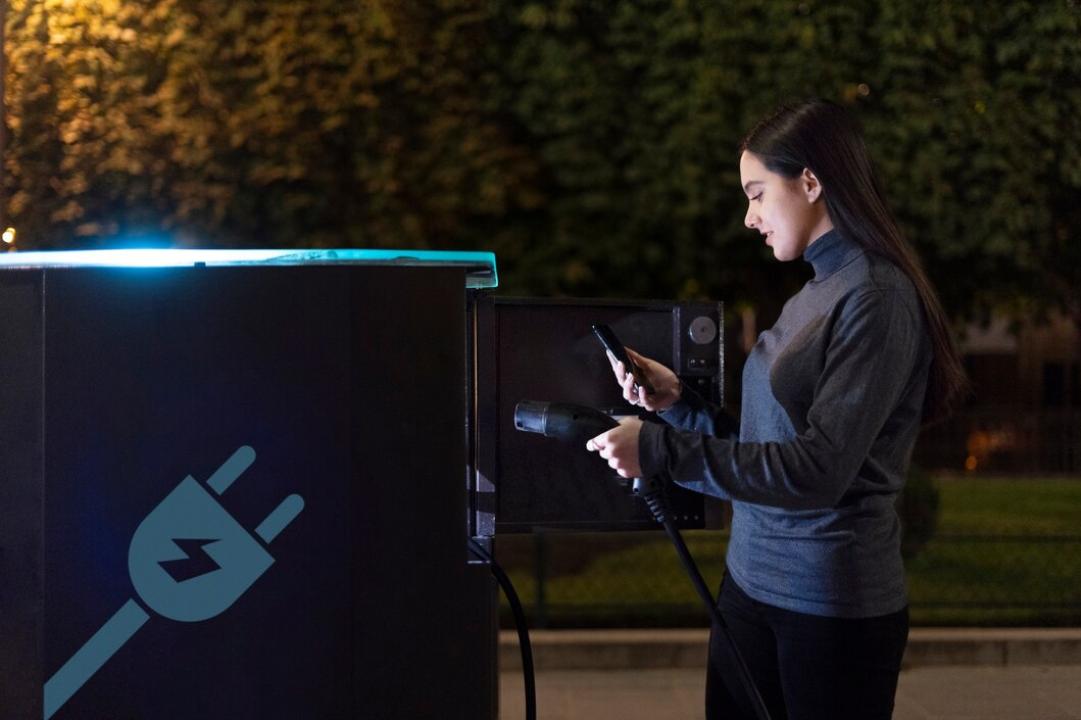
Real-Time Dispatch: Fleet managers seek assistance through a phone, an application, or an online portal.
On-Site Arrival: A charging mobile unit will arrive at the car, on a road or delivery station, or at a parking area.
Charging is Rapid: The EV is plugged and charged like a station - only without a car on the move.
Fleet Back in Operation: When enough charge is presented the vehicle goes back on its route.
This solution makes roadside emergencies manageable moments - it enables fleets to remain on time and to deliver.
The Importance of Fast Charging in Fleet Operations
Modern fleets do not simply desire mobile charging; they require high-speed, solid power. It is where the fastest EV charging makes a significant contribution.
As standard mobile chargers are sufficient to get vehicles going again, advanced mobile solutions now provide more powerful charging. These systems work to:
Minimize recharge time
Enhance the predictability of operations.
Favour bigger sizes of fleets, not high waiting.
The price of fast charging can be more powerful equipment or increased current delivery, yet the rewards are obvious: the time spent waiting will be reduced, and the number of delivered packages, offered services, and the efficiency of a productive fleet in general will increase.
Fleets gain both performance and peace of mind by giving freedom to the movement of roadside assistance and efficiency of the fast-changing technology.
Best Practices for Fleet Managers
To maximize the benefit of mobile charging, the fleet operators are advised to keep the following smart ideas in mind:
Plan for Multiple Scenarios
Despite a well-developed infrastructure, some unforeseen circumstances will occur. Always reserve fixed charging solutions with mobile ones as an emergency measure, particularly with vehicles that are used extensively.
Integrate Charging into Fleet Software
Install telematics and route-planning systems, which tell you when cars must be charged. A proactive strategy would make sure that mobile services are implemented before vehicles are in the critical stages.
Build Strategic Partnerships
Collaborate with reliable mobile EV charging service partners with awareness of commercial requirements. Well-trained professionals can provide equipment, as well as logistics, training, and 24/7 support.
Real-World Impact: Stories from the Field
Mobile charging that is embraced by fleet operators has been reported to achieve dramatic improvements:
A single delivery company reduced downtimes by more than 40 percent with the adoption of mobile support for range problems.
As a construction fleet minimizes towing expenses by transporting portable chargers to work locations.
One of the local logistics companies managed to boost the delivery rates on time just by including mobile assistance in its charging policy.
These success stories demonstrate that mobile EV charging is not just a backup, but it is also a growth engine.
The Future of EV Fleet Operations
Businesses will also require more versatile and intelligent energy choices as the electric fleets keep increasing. It will not be only about installing chargers but creating flexible ecosystems that will integrate depot charging, public infrastructure, real-time monitoring, and on-demand support.
There will also be a greater role for technology. High-tech fleet management software will forecast the battery consumption, calculate charge-based routes, and initiate support whenever it is necessary. Evidence-based solutions will enable the minimization of unplanned delays and enhance the efficiency of the entire fleet.
Conclusion
The transition to electric fleets brings tremendous benefits, lower emissions, reduced fuel costs, and better performance. But to truly scale, businesses need charging solutions that go beyond fixed stations. Mobile EV charging roadside assistance fills this need by offering fast, flexible, and cost-effective power delivered anywhere.
Mobile charging is changing the way fleets are run by improving productivity and streamlining operations. With the increase in EVs, the companies that adopt B2B mobile EV charging options give the top priority to the quickest EV charging, and collaborating with reputable providers will dominate the future of commercial transportation. Electric fleets do not need power, but they need power that manifests itself at the right time and at the right place.
Businesses looking to strengthen their EV operations can explore trusted service partners like Jooser, which offers innovative mobile charging solutions designed specifically for commercial fleets.