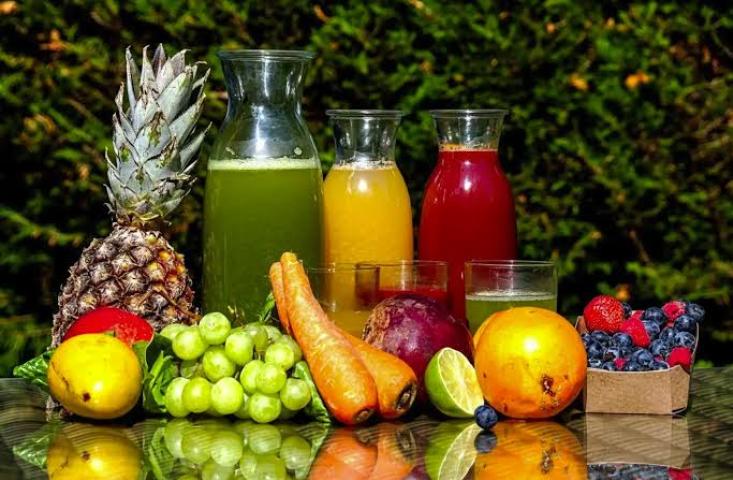
Fruit-based ingredients have become increasingly popular in modern kitchens and food industries. One of the most convenient forms of fruit ingredients is fruit powders. These powders capture the flavor, color, and nutritional benefits of fresh fruits in a concentrated and easy-to-use format. From smoothies and desserts to baking and beverages, fruit powders provide a simple way to enjoy fruit flavor without the challenges of handling fresh produce.
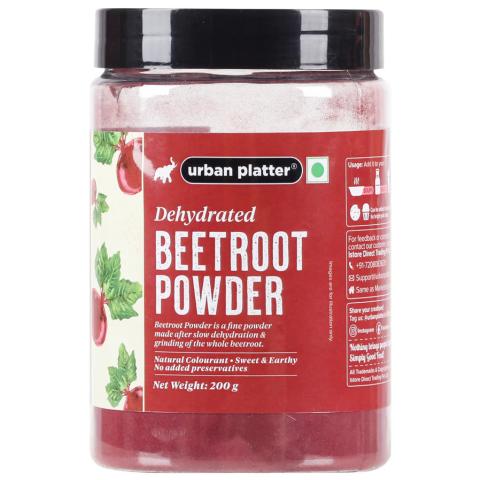
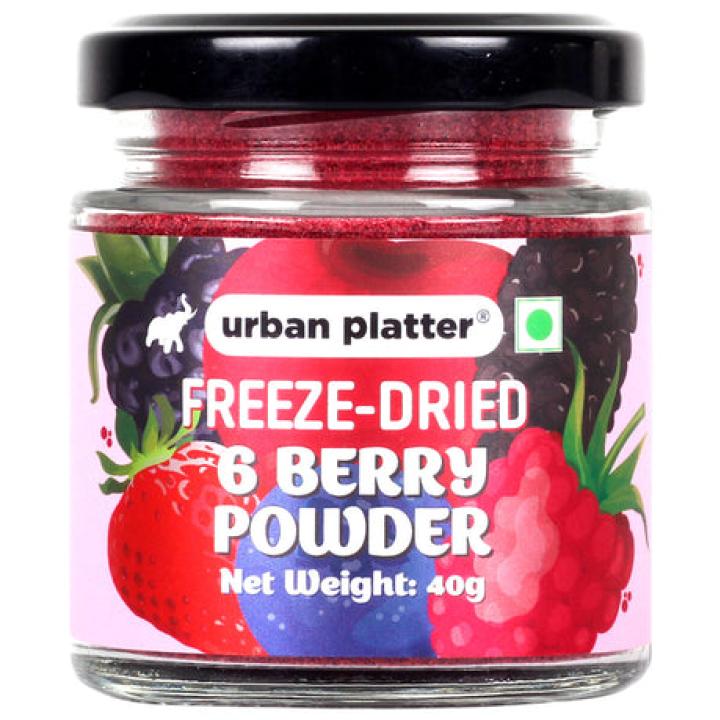
Many food brands focus on producing high-quality powdered ingredients that maintain natural taste and quality. Companies like Urban Platter are known for offering carefully processed fruit products that are convenient for everyday cooking and professional culinary use.
In this article, we will explore how fruit powders are made, from selecting fresh fruits to transforming them into fine, shelf-stable powders.
What Are Fruit Powders?
Fruit powders are made by removing the moisture from fresh fruits and grinding them into a fine powder. This process preserves the natural flavor, aroma, and nutrients of the fruit while making it easier to store and use.
Unlike fresh fruits, which can spoil quickly, fruit powders have a longer shelf life and can be used in many recipes without preparation. They are widely used in baking, smoothies, beverages, desserts, and health foods.
Brands such as Urban Platter offer a variety of fruit powders that allow home cooks and chefs to incorporate fruit flavors into different dishes with ease.
Why Fruit Powders Are Popular
There are several reasons why fruit powders have become popular in both home kitchens and the food industry.
Convenience
Fresh fruits require washing, peeling, cutting, and sometimes cooking. Fruit powders eliminate these steps, making them quick and easy to use.
Longer Shelf Life
Because most of the moisture is removed, fruit powders last longer than fresh fruit when stored properly.
Versatility
Fruit powders can be used in smoothies, baked goods, sauces, beverages, and even savory dishes.
Concentrated Flavor
Removing moisture intensifies the fruit’s natural taste, giving fruit powders a rich and vibrant flavor.
With high-quality products from brands like Urban Platter, consumers can enjoy natural fruit flavors in a convenient powdered form.
Step 1: Selecting Fresh Fruits
The process of making fruit powders begins with selecting high-quality fresh fruits. The quality of the fruit directly affects the taste, color, and nutritional value of the final product.
Producers carefully choose fruits that are:
Fully ripe
Fresh and free from damage
Naturally flavorful
Rich in nutrients
Using fresh and properly ripened fruits ensures that the final fruit powders retain the authentic flavor and aroma of the original fruit.
Step 2: Cleaning and Preparation
Once the fruits are selected, they undergo thorough cleaning to remove dirt, pesticides, and impurities. Clean fruits are essential for maintaining food safety and quality.
After washing, the fruits are prepared for processing. This preparation stage may include:
Peeling the skin
Removing seeds or pits
Cutting the fruit into smaller pieces
Preparing the fruit properly ensures that it dries evenly during the dehydration stage.
Step 3: Drying the Fruit
Drying is the most important step in the production of fruit powders. The goal is to remove moisture while preserving the fruit’s flavor and nutrients.
Several drying methods are commonly used.
Spray Drying
Spray drying is widely used in the food industry. In this method, fruit juice or puree is sprayed into a chamber with hot air. The moisture evaporates quickly, leaving behind fine powder particles.
Freeze Drying
Freeze drying is a gentle method that helps preserve the natural taste and nutrients of the fruit. The fruit is frozen and then placed in a vacuum chamber where the moisture is removed through sublimation.
This method helps maintain color, flavor, and nutritional value.
Dehydration
Another common method involves drying fruit slices using controlled heat and airflow. Once completely dried, the fruit becomes brittle and ready for grinding.
Each method has its own advantages, but all aim to create high-quality fruit powders that retain the characteristics of fresh fruit.
Step 4: Grinding into Powder
After the fruit has been thoroughly dried, it is ground into a fine powder using specialized equipment.
The grinding process ensures that the dried fruit pieces are transformed into smooth and consistent fruit powders. The particle size is carefully controlled so that the powder blends easily in recipes.
High-quality grinding techniques ensure that the powder remains light, smooth, and easy to use.
Step 5: Sieving and Quality Control
Once the fruit is ground into powder, it is passed through sieves to remove any larger particles. This process ensures a uniform texture.
Quality control is also performed to check factors such as:
Texture and consistency
Flavor and aroma
Color quality
Moisture content
Careful quality checks help ensure that fruit powders meet safety and quality standards before packaging.
Brands like Urban Platter focus on maintaining strict quality standards to deliver reliable and flavorful products.
Step 6: Packaging and Storage
The final step in the production process is packaging the fruit powders in airtight containers. Proper packaging is essential to protect the powder from moisture, air, and contamination.
Most fruit powders are stored in sealed pouches or containers that help maintain freshness and extend shelf life.
Proper storage conditions typically include:
Cool temperatures
Dry environments
Airtight packaging
When stored correctly, fruit powders can remain fresh and flavorful for extended periods.
Common Uses of Fruit Powders
Fruit powders are incredibly versatile and can be used in many different recipes.
Smoothies and Beverages
Adding fruit powders to smoothies or drinks provides natural fruit flavor without needing fresh fruit.
Baking
Fruit powders are commonly used in cakes, cookies, muffins, and pastries to add natural color and flavor.
Desserts
They can enhance desserts such as ice cream, yogurt, puddings, and custards.
Sauces and Dressings
Fruit powders can also be used in sauces, marinades, and salad dressings.
Health Foods
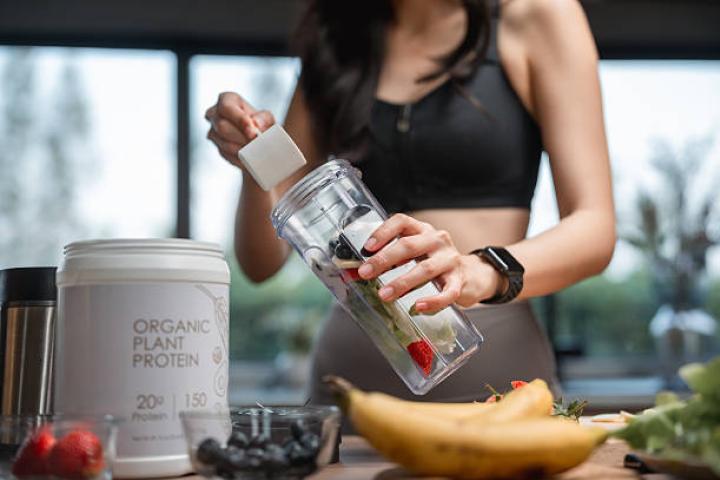
Many health-conscious consumers add fruit powders to protein shakes or breakfast bowls.
With a wide variety of options available from brands like Urban Platter, fruit powders make it easy to experiment with flavors in the kitchen.
Benefits of Using Fruit Powders
There are several advantages to incorporating fruit powders into everyday cooking.
Easy Storage
Fruit powders require less storage space compared to fresh fruits.
Reduced Food Waste
Because they have a longer shelf life, fruit powders help reduce spoilage and waste.
Consistent Flavor
Powdered fruits provide consistent flavor in recipes throughout the year.
Quick Preparation
They eliminate the need for washing, peeling, and cutting fresh fruit.
These benefits make fruit powders a practical ingredient for both home cooks and professional chefs.
Final Thoughts
Fruit powders offer a convenient and versatile way to enjoy the taste and benefits of fruits in everyday cooking. By carefully selecting fresh fruits, drying them through advanced techniques, and grinding them into fine powders, producers create ingredients that retain natural flavor and nutritional value.
The process of transforming fresh fruit into powder involves multiple steps, including cleaning, drying, grinding, and quality control. Each step plays a vital role in ensuring that the final product remains flavorful, safe, and easy to use.
With reliable products available from brands like Urban Platter, fruit powders have become an essential ingredient for modern kitchens, allowing cooks to add natural fruit flavors to a wide range of recipes with ease.