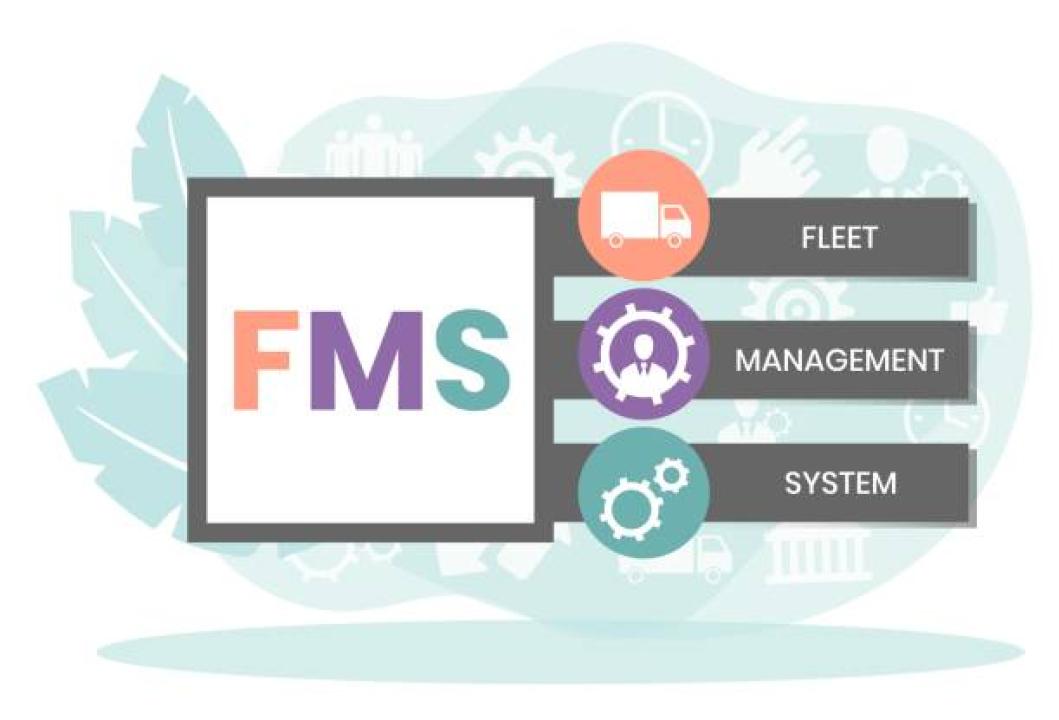
The answer to it is the use of Fleet Management Software that will enable the everyday madness to turn into the confidence of the operations teams.
This fleet management software is used in the first paragraph because this is where it has been used in reality, right in the centre of the clutter of everyday life. Phones buzzing. Drivers late. A truck that does not seem to have a purpose. Again a questioning passenger says, Where is the vehicle 12? It is not that operations teams wake up in the morning trying to find drama, but it goes out to find it.
Before the software was invented, most fleet days used to be run on sticky notes, gut feeling and crossing fingers. No one saw in case any thing was successful. Otherwise, they were not going to pass unnoticed. Loudly. Now the tone has changed. Operation teams do not wake up with their braces up anymore. They log in. They check dashboards. They breathe.
The Everyday Violence No One Talks About
Fleet chaos isn't glamorous. It's small, constant friction. A driver misses a turn. There is no factor that leads to the skyrocketing of the fuel expenses. Maintenance is done on the cracks. There is no one to inform customers who asked questions about their products.
One mistake is changed into making a phone call of five calls. Five calls escalate to an argument. A protracted afternoon is argumentative. That is what most of the teams learnt to co-exist with. They joked about it. Logistics, they said half-laughing and half-sighing. But the stress added up. People burned out quietly. The fleet management software was drawn into that fiasco without much ado. No fireworks. Just clarity.
Visibility Changes Everything is that documentary that has been made and published. Visibility is the initial thing that attracts the teams. Real visibility. Not a guess. No whiteboard since last Tuesday. Vehicles appear on a map. Status updates are automatically updated. Idle time stops hiding. Fuel consumption is no longer an interesting book with blank pages. This isn't about control. It's about relief. One of the operations managers gave it the following explanation: "It was as though I had switched on the lights in a room that I had been working in very long. You make decisions change as soon as you come to know. They become calm. Even boring. Boring is good.
When Data Ceases to Pose a Menace
Information was homework. Spreadsheets. Manual logs. Numbers no one trusted. Managing software Fleet management software conceptualizes data as an assistant, not a critic. It doesn't scold. It shows patterns. Quietly. You will see that there is a road that never finishes on time on Fridays. You find a car that consumes fuel as it is free. Preventive maintenance has not been done three times, but three times. This isn't about blame. It's about understanding.
Pride is Lying in Prophesy
Predictability is the urge of the operations teams as opposed to perfection. Surprises are the enemy. The fleet management software assists in eradicating surprises. Not all of them, but a sufficient number. There are no disappearance cases of malfunctions, just some early warning signs provided on maintenance. Traffic is present still though at a faster pace of and-forwarding. Drivers cannot cease bad days, but the managers know about that before the customers can complain. A lack of frantic reaction leads to increased confidence.
Fighting Fire, Less Thinking More
During the pre-software era, most of the jobs in the operation sector were more of fire fighting. Every day brought a new blaze. Some small. Some disastrous. Incidents of fires decrease using fleet management software. Some never start. The transformation sets the mind free. The teams start thinking instead of acting. They ask better questions. They do not live presently but make plans in the next month. This is where confidence sets in. Not loudly. It settles.
Conversations Change Tone
Listening to fleet management software operations rooms. The language changes.
You listen not I think but I can see.
You cannot hear Maybe, but: Here's what is going on.
Instead of Where is that driver? he says he has seven minutes to be up.
Arguments fade. Facts take over. Such hard-to-have conversations are not hard with everyone seeing the same screen.
Drivers Feel It Too
This trust does not conclude in the office. Drivers are attentive to dispatch that occurs after every ten minutes. They check when the courses of action are rational. They monitor the times when the maintenance issues are fixed before they become the roadside disasters.
One of the motorists joked that he had felt like he was being hunted. Now it feels like support." Morale is boosted when trust is employed rather than micromanagement.
Small Wins Add Up Fast
Fleet management software provides small wins on a regular basis. Minutes saved. Errors avoided. Calls eliminated. It does not sound dramatic when the number of phone calls each driver has a day is less than one. Multiply it across weeks. Across people. Across stress levels. Those wins stack. The accumulation is what develops confidence and not miracles.