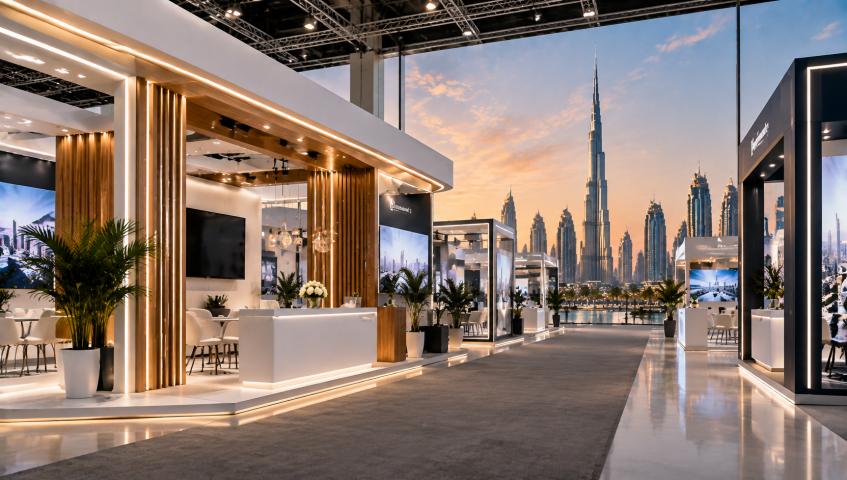
The trade show floor has long been the primary arena for B2B relationship building and B2C brand immersion. However, the landscape of 2026 is vastly different from that of a decade ago. Today, a successful presence is no longer defined by how much space you can rent, but by how effectively you can blend digital integration, sustainable storytelling, and high-impact aesthetics.
Drawing from global trends and shifting logistical demands, this guide explores how to master your next exhibition strategy—from choosing the right structural configuration to executing a seamless, eco-conscious brand experience.
Decoding Exhibition Booth Trends: The Shift to "Phygital" and Eco-Minimalism
According to industry leaders, the most significant trend in current exhibition booth design is the "Phygital" experience—the seamless merging of physical structures with digital engagement. But there is a secondary, equally powerful movement: Eco-Minimalism.
The Rise of Sustainable Sophitecture
Sustainability in 2026 has shifted from a marketing differentiator to a baseline expectation. Brands are moving away from heavy, carbon-intensive materials in favor of "Sophitecture"—sophisticated architecture created from renewable resources. At the forefront of this movement is "Cardboard Carpentry." By utilizing high-compression, FSC-certified fiberboards like Gaia Board, brands can create complex, multi-dimensional structures that look like high-end art installations but carry a fraction of the environmental weight.
Immersive Multi-Sensory Environments
Modern visitors suffer from "screen fatigue." To counter this, the best booth designs now prioritize tactile and acoustic comfort. Using paper-based materials allows for natural sound dampening, creating a "quiet zone" amidst the noise of a convention center. This sensory shift encourages visitors to linger, fostering deeper brand connections through ambient scents and comfortable, integrated seating areas.
Choosing Your Structure: Essential Types of Exhibition Stands
Selecting the right layout is the foundation of your event strategy. Your choice dictates how traffic flows and how your brand story is told.
The Island Stand
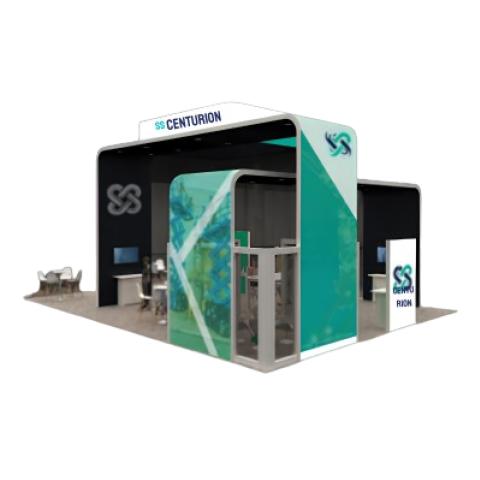
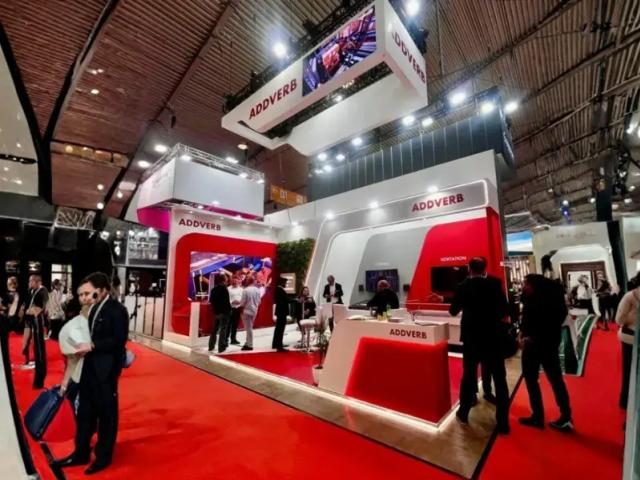
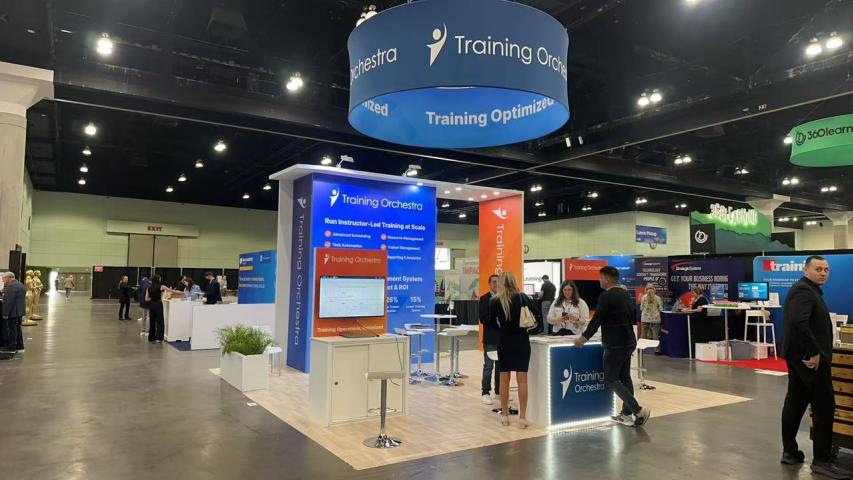
Open on all four sides, the Island Stand is the "Penthouse" of the exhibition floor. It offers maximum visibility and allows for grand, 360-degree branding. Because there are no walls to lean on, structural integrity is key. Utilizing modular paper pillars and overhead "halo" hanging signs can create a sense of enclosure without blocking sightlines.
The Peninsula Stand
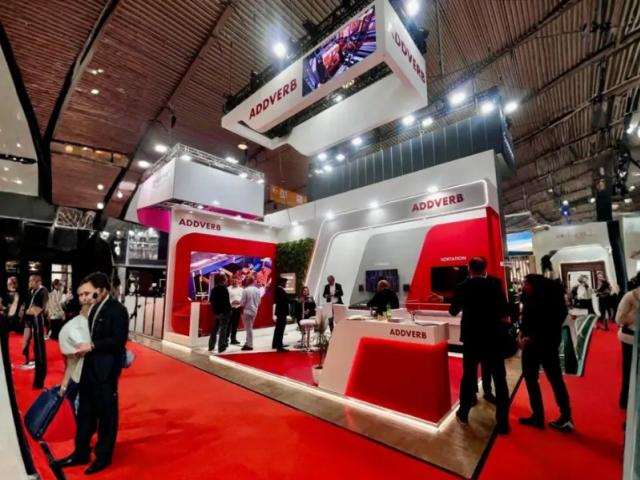
Open on three sides, this setup provides a prominent "front-and-center" feel. It is ideal for brands that want a clear focal point, such as a product demonstration area or a central lounge.
The Corner and Linear (Inline) Stands
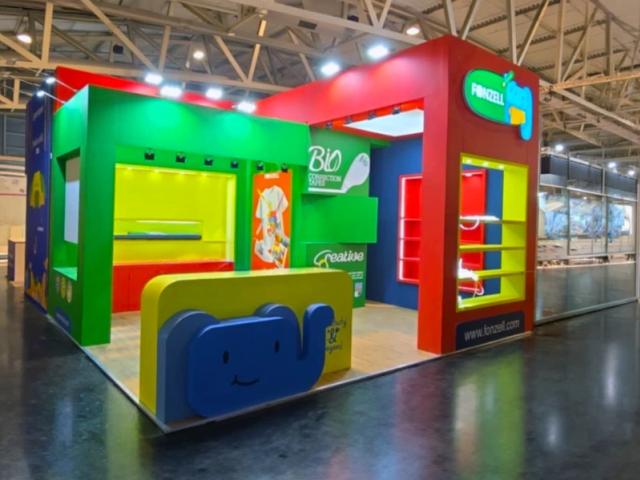
Often overlooked, these smaller footprints are the bread and butter of trade shows. The challenge here is to stand out in a row of identical boxes. This is where a unique exhibit stand becomes your greatest asset. Replacing standard white melamine walls with 3D-textured paper panels or custom-cut "origami" backdrops can make a 3x3 meter space look like a premium boutique.
Branding Excellence: Consistency Across the Three Dimensions
Your booth is your largest piece of marketing collateral. Every inch of your space must reflect your brand’s visual identity and core values.
Typography and 3D Lettering
Flat vinyl stickers are a thing of the past. To create a premium feel, brands are now using layered, 3D typography cut directly from structural board. This adds depth and creates interesting shadows under hall lighting, making your brand name literally "pop" off the wall.
Color Theory and Materiality
The "raw" look of kraft paper is a trend in itself, signaling transparency and organic growth. However, for corporate brands, these surfaces can be fully laminated or digitally printed with high-fidelity colors. The key is to maintain a balance: perhaps a raw, tactile texture for the reception counter and high-gloss branded graphics for the main back wall.
The Logistics of Success: Optimizing Your Booth Set Up
The most beautiful design in the world is a failure if it cannot be assembled efficiently. The "Move-In" period is a race against time, and labor costs are often the silent budget-killer.
The Tool-Free Revolution
A modern booth set up should prioritize "low-skill, high-speed" assembly. By using interlocking notches and lightweight Gaia Board panels—which are fire-retardant certified (Class B1)—a marketing team of two can often assemble a full-scale booth in under two hours.
- No Power Tools: This reduces noise, dust, and the need for expensive on-site electrical labor.
- Flat-Pack Portability: Lightweight systems can be shipped via standard couriers rather than heavy-duty freight, saving thousands in logistics.
The Safety Standard
When moving to paper-based systems, safety is paramount. High-performance fiberboards are treated with fire-retardant coatings to meet international standards. Furthermore, the lack of heavy timber or glass significantly reduces the risk of injury during the high-pressure setup and dismantling phases.
Enhancing ROI: Functional Design Features
To justify the cost of your presence, the space must work hard for you. Design should follow function.
Integrated Product Showcases
Instead of placing products on a generic table, build the shelving into the walls. Paper carpentry allows for custom-sized alcoves and cantilevered shelves that are engineered to hold the specific weight of your products, creating a seamless, architectural look.
Private Meeting Pods
The best business happens behind closed doors. Even in a small booth, a semi-enclosed "pod" made of acoustic-grade paper board can provide the privacy needed for high-level negotiations. Because paper absorbs sound waves rather than reflecting them (unlike glass or plastic), these pods provide a surprisingly quiet environment.
The "Second Life" Strategy: Beyond the Final Whistle
The true mark of a forward-thinking brand is what happens when the exhibition ends. Traditionally, the final night of a trade show involves a "smash-and-trash" approach that is environmentally devastating.
Reconfigurability
Modular paper systems are designed for the "Long Game." A booth designed for a 6x6 meter space should be able to be reconfigured into three smaller 2x2 meter kiosks for smaller regional events or shopping center roadshows.
Circularity
When a panel eventually reaches the end of its life—perhaps after multiple show cycles—the disposal process is as simple as putting it into the recycling bin. This circularity is a powerful story to share with your audience, proving that your brand’s commitment to the planet is structural, not just slogans.
Building a Better Footprint
The future of exhibitions lies in the intersection of agility, aesthetics, and accountability. By choosing a smarter material strategy, you are doing more than just showcasing a product; you are demonstrating an understanding of the modern world’s constraints and possibilities.
Whether you are looking for a massive footprint that commands the attention of a global hall or a streamlined setup that your team can manage independently, the answer is the same: prioritize lightweight innovation.