Students today have more access to diverse opportunities than ever, especially at the top universities in South India. These institutions offer strong academic programs, modern infrastructure, and exposure to industry practices that prepare students for competitive careers.
At the same time, many students experience uncertainty as they navigate their academic journeys. There are so many questions about career direction, skill development, and future opportunities that appear very early on in university life.
This is where the role of universities comes in. They play an important role in helping students move ahead with clarity. Through structured learning environments, mentorship, and real-world exposure, the top universities in South India support students as they transition from academic exploration to career preparation.
Understanding student concerns about the future
For many students, university life is the first stage where long-term career planning actually starts. While ambition is strong, deciding which path to follow can sometimes feel extremely overwhelming.
And that's when students ask questions like:
- Which skills will matter most in the future?
- How early should internships begin?
- What industries offer the best opportunities?
These are some questions common across the top universities in South India. And since these universities have a supportive environment, they address all of these questions and more through mentorship, career guidance, and opportunities to explore different interests.
The importance of a strong academic environment
One of the main characteristics that defines top universities in South India is the academic ecosystem that they provide. You will find strong faculty expertise, research opportunities, and industry collaboration at such institutions. Such environments help build practical knowledge alongside theoretical understanding.
KL University, for instance, is one such institution that focuses on building a comprehensive academic environment. You will find all the factors that we spoke about here, from faculty to global exposure.
If you dig deep, the culmination of all these factors builds the right confidence in the students to explore different fields while gradually developing the skills required for future careers.
Modern infrastructure and learning resources
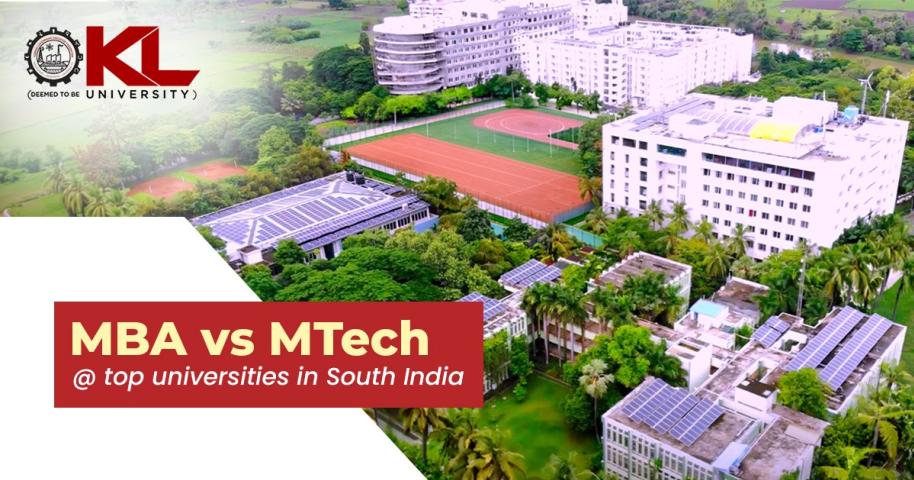
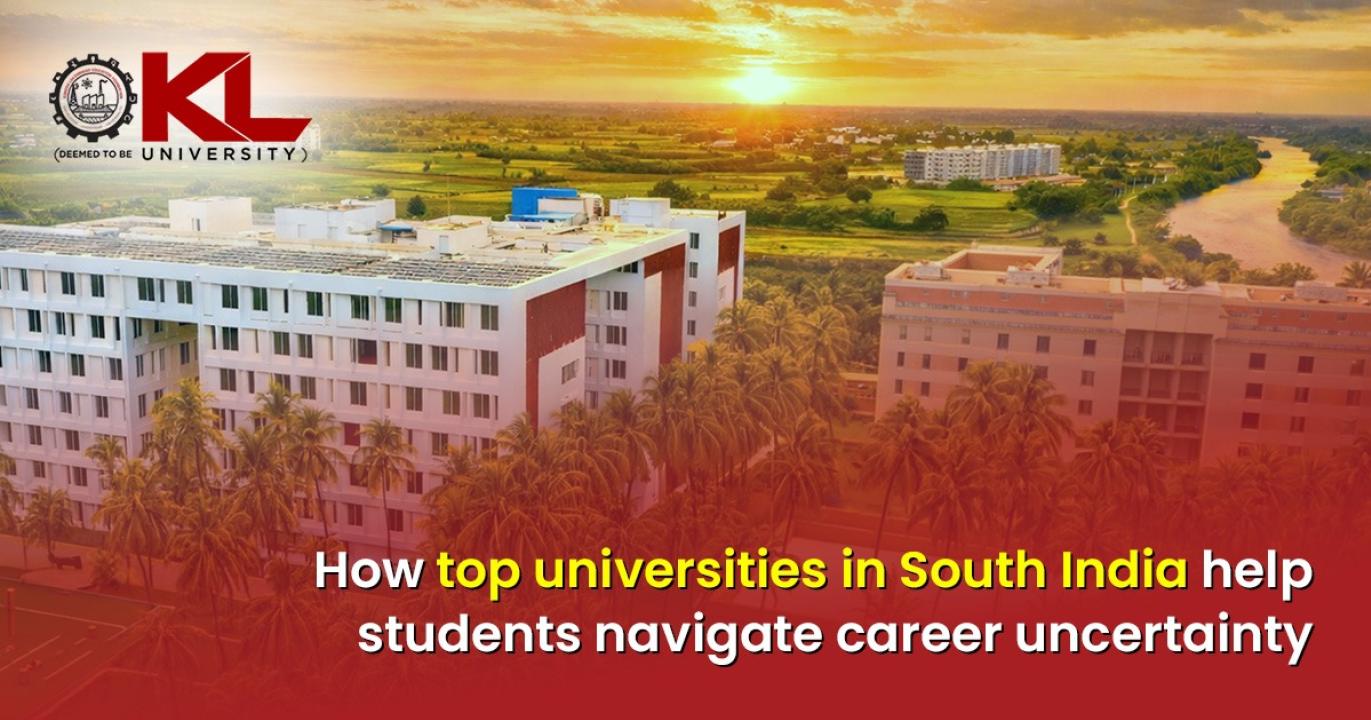
Infrastructure also plays a key role in shaping the quality of higher education. This is why many of the top universities in South India invest a great deal in modern facilities that support both academic learning and innovation.
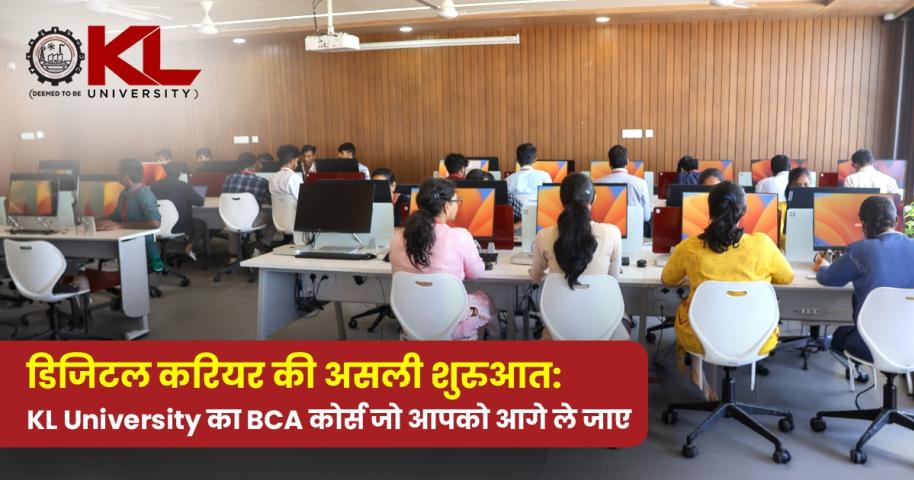
At KL University, the 350+ smart classrooms, digital library, and 100+ academic and research labs are not just something to be printed on the brochure. These resources are something that support project-based learning, experimentation, and collaboration across disciplines.
For example, engineering students regularly work in specialised laboratories where theoretical concepts are applied through practical projects. Access to modern computing infrastructure and high-speed internet connectivity allows students to work with advanced tools, conduct research, and collaborate on technical assignments. Similarly, the digital library provides access to a wide range of academic resources, including research journals, publications, and technical materials.
These are just some of the many examples of how infrastructure at top universities in South India plays a critical role in shaping the students.
Global exposure and industry interaction
Higher education today is increasingly global. Therefore, the top universities in South India, like KL University, collaborate with international institutions to provide students with a broader academic exposure. Through academic partnerships, exchange opportunities, and collaborative research initiatives, universities help students understand global perspectives in education and industry.
Industry interaction also plays a crucial role. Internships, industry-led courses, and practical projects allow students to apply classroom knowledge to real-world challenges.
This way, when the students step out of the top universities in South India into the real world (literally anywhere in the world!), they are confident in themselves. This is what really matters.
Career preparation and placement support
Career preparation remains one of the most important priorities for students selecting among the top universities in South India. Universities that provide strong placement support and industry connections help students transition smoothly from academics to professional careers.
KL University has developed a strong career support ecosystem that connects students with leading companies across various industries. Structured training programs, internships, and industry interactions help students develop the skills required for modern workplaces.
Such initiatives ensure that students graduate with both academic knowledge and practical experience upon graduation and are not under any anxiety.
Campus life and holistic development
University education extends much beyond academic learning. A balanced campus environment contributes significantly to the overall development of students.
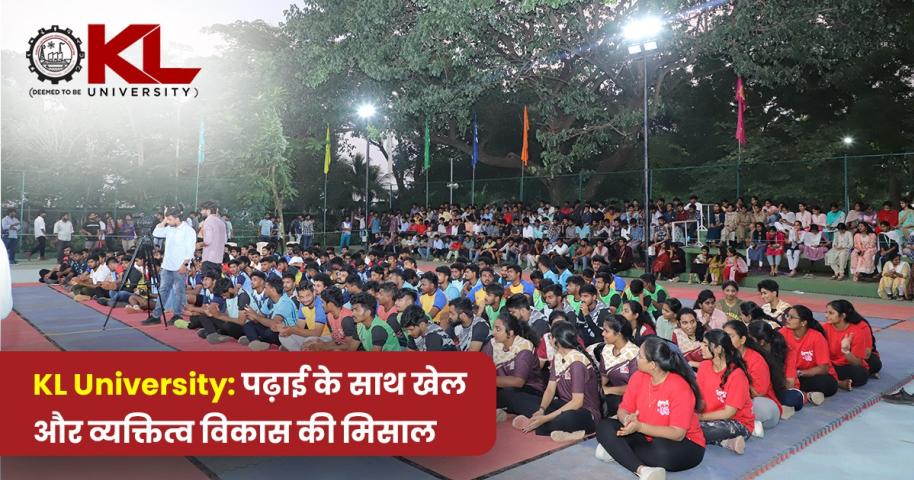
Top universities in South India like KL University provide an active campus environment where students can participate in a wide range of extracurricular activities alongside their academic programs. This balance helps students develop both personally and professionally during their university years.
Students get access to sports, cultural festivals, student clubs, and innovation activities here at KLU.
Choosing the right university
Selecting the right institution is one of the most important decisions that you'll take regarding your higher education.
So make sure while evaluating the top universities in South India, you consider all the factors that we mentioned above.
Universities that will have all these elements will have environments where students can explore their interests while preparing for their careers, anxiety-free.
KL University is one such institution that continues to focus on building such an ecosystem by integrating strong academics, global exposure, modern infrastructure, and career development opportunities.