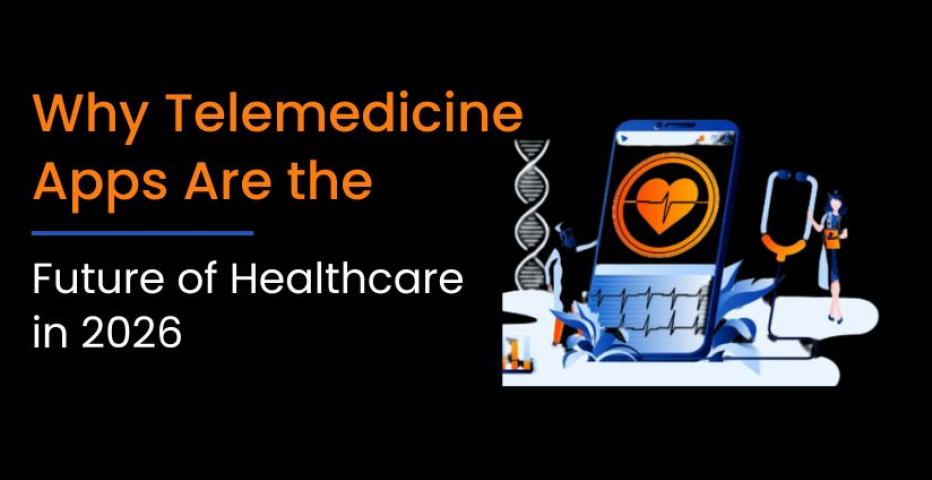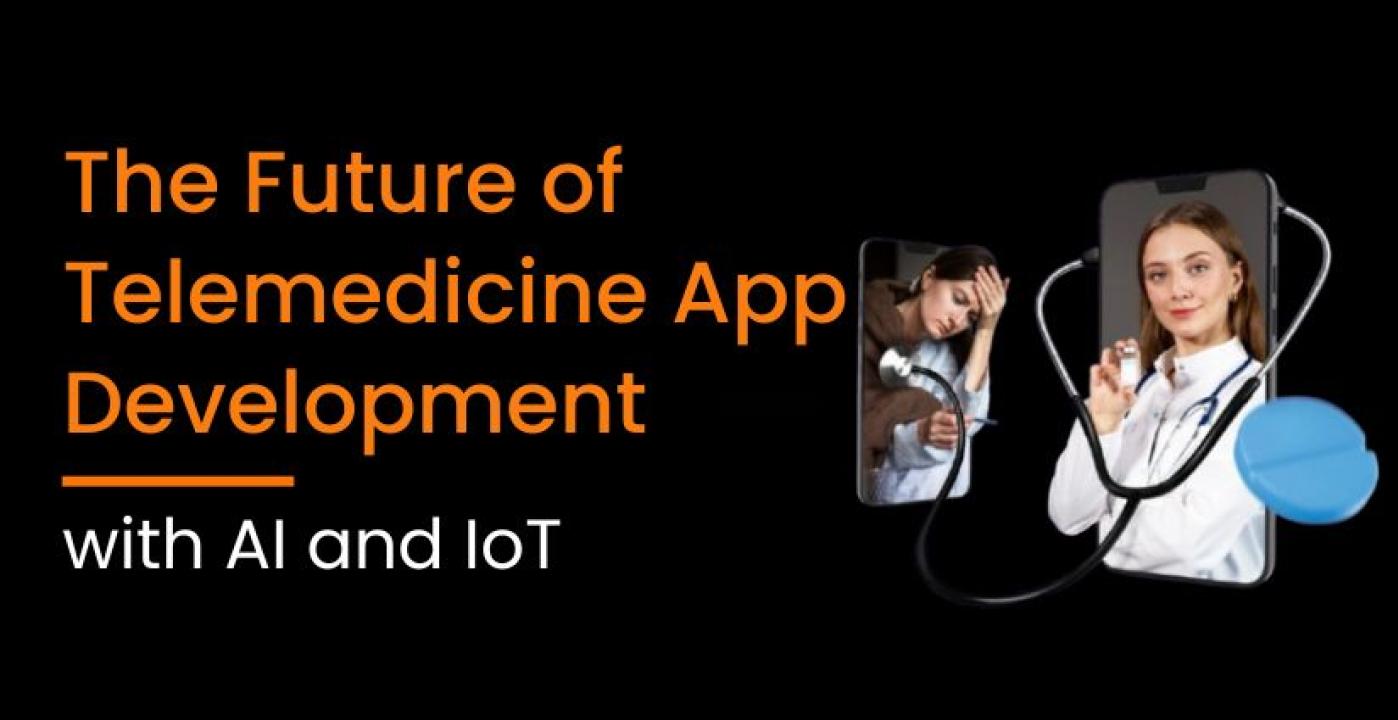
Healthcare has entered a transformative era where technology is redefining how patients connect with medical professionals. One of the most significant advancements in digital healthcare is Telemedicine App Development, which allows patients to receive medical consultations, monitoring, and treatment recommendations remotely. As technologies like Artificial Intelligence (AI) and the Internet of Things (IoT) continue to evolve, telemedicine apps are becoming smarter, more efficient, and capable of delivering personalized healthcare experiences.
The integration of AI and IoT into telemedicine platforms is not only improving patient outcomes but also reshaping the entire healthcare ecosystem. Hospitals, clinics, and healthcare startups are increasingly investing in intelligent telehealth solutions developed by the Best Artificial Intelligence Development Company to enhance diagnostics, automate workflows, and deliver data-driven healthcare.
In this blog, we will explore how AI and IoT are shaping the future of telemedicine applications, their benefits, emerging trends, and why businesses should invest in modern IoT App Development services to build next-generation telehealth platforms.
The Growing Importance of Telemedicine
Telemedicine has rapidly gained popularity, especially after the global pandemic accelerated the adoption of remote healthcare solutions. Patients today expect convenient healthcare access without long waiting times or the need for frequent hospital visits.
Telemedicine apps provide a digital platform where patients can:
- Schedule virtual consultations
- Communicate with doctors via video or chat
- Receive digital prescriptions
- Monitor health conditions remotely
- Access medical records instantly
These capabilities make Telemedicine App Development one of the most sought-after solutions in modern healthcare technology.
However, the real transformation occurs when these apps are enhanced with AI and IoT technologies.
The Role of Artificial Intelligence in Telemedicine
Artificial Intelligence is revolutionizing telemedicine by enabling smarter healthcare systems that can analyze large volumes of medical data and deliver actionable insights.
Healthcare organizations partnering with the Best Artificial Intelligence Development Company are leveraging AI to build intelligent telemedicine platforms with advanced capabilities.
1. AI-Powered Diagnostics
AI algorithms can analyze patient symptoms, medical history, and diagnostic reports to assist doctors in identifying diseases more accurately. AI-powered systems can detect patterns in medical data that may not be easily visible to human practitioners.
For example, AI models can assist in diagnosing conditions such as:
- Skin diseases
- Cardiovascular issues
- Respiratory disorders
- Diabetes risk
This significantly improves diagnostic accuracy and speeds up treatment decisions.
2. Smart Virtual Health Assistants
AI-powered chatbots and virtual assistants are becoming an essential part of modern telemedicine apps. These assistants help patients with:
- Symptom checking
- Appointment scheduling
- Medication reminders
- Basic health queries
They operate 24/7, ensuring patients receive support anytime without overwhelming healthcare staff.
Many healthcare startups collaborate with the Best Artificial Intelligence Development Company to build conversational AI systems that deliver personalized patient experiences.
3. Predictive Healthcare Analytics
Predictive analytics is one of the most powerful applications of AI in telemedicine. By analyzing historical health data, AI systems can predict potential health risks and recommend preventive measures.
Examples include:
- Predicting heart attack risks
- Monitoring chronic diseases
- Identifying early signs of mental health disorders
- Detecting hospital readmission risks
This proactive healthcare approach helps reduce medical emergencies and improves patient outcomes.
The Role of IoT in Telemedicine
While AI focuses on data intelligence, IoT focuses on data collection. IoT devices continuously gather real-time health data from patients and transmit it to telemedicine platforms.
This is where IoT App Development services become critical in building connected healthcare ecosystems.
1. Remote Patient Monitoring
IoT-enabled medical devices allow doctors to monitor patients remotely in real time. These devices collect vital health data such as:
- Heart rate
- Blood pressure
- Oxygen levels
- Blood glucose levels
- Sleep patterns
This information is automatically synced with telemedicine apps, allowing doctors to track patient health without requiring in-person visits.
2. Wearable Health Devices
Wearable devices such as smartwatches and fitness trackers have become popular tools in remote healthcare monitoring. These devices continuously track physical activity, heart rate, and sleep patterns.
With proper IoT App Development services, telemedicine apps can integrate wearable data into patient dashboards, helping doctors make informed decisions about patient health.
3. Smart Medical Devices
IoT is also enabling the development of smart medical devices such as:
- Connected glucometers
- Smart inhalers
- Digital thermometers
- ECG monitoring devices
These devices automatically transmit patient health data to healthcare providers, allowing timely interventions when abnormalities are detected.
The Powerful Combination of AI and IoT in Telemedicine
When AI and IoT are combined, telemedicine apps become powerful intelligent healthcare platforms.
IoT devices collect massive amounts of patient health data, and AI algorithms analyze this data to generate insights and recommendations.
For example:
- IoT wearable devices track heart rate and activity levels.
- Data is sent to the telemedicine platform in real time.
- AI analyzes the data and detects irregular heart patterns.
- The app alerts the patient and healthcare provider immediately.
This real-time monitoring system can prevent severe health complications and save lives.
Healthcare companies working with the Best Artificial Intelligence Development Company often leverage this AI-IoT synergy to build advanced remote healthcare systems.
Key Features of AI and IoT Enabled Telemedicine Apps
Future-ready Telemedicine App Development focuses on creating feature-rich platforms that improve patient engagement and healthcare delivery.
Some essential features include:
1. Secure Video Consultations
High-quality video conferencing enables patients to consult doctors remotely while maintaining privacy and security.
2. Electronic Health Records (EHR)
Telemedicine apps store patient medical history, prescriptions, and reports digitally, making them easily accessible.
3. AI-Based Symptom Checker
AI tools analyze symptoms entered by patients and suggest possible conditions before consultation.
4. IoT Device Integration
Apps connect with wearable devices and smart medical equipment to collect real-time health data.
5. Medication Management
Telemedicine apps send automated reminders for medication schedules and prescription refills.
6. Health Analytics Dashboard
Patients and doctors can view detailed health insights through data visualization dashboards.
Benefits of Telemedicine Apps with AI and IoT
The integration of AI and IoT technologies into telemedicine apps brings several advantages to patients, healthcare providers, and healthcare organizations.
Improved Accessibility
Telemedicine eliminates geographical barriers and allows patients in remote areas to consult specialists without traveling long distances.
Enhanced Patient Monitoring
With IoT-enabled devices and AI analysis, doctors can continuously monitor patient health and intervene early when issues arise.
Reduced Healthcare Costs
Remote consultations and monitoring reduce hospital visits, lowering healthcare costs for both patients and providers.
Personalized Healthcare
AI analyzes patient data to provide personalized treatment recommendations and life>
Faster Medical Decisions
AI-powered diagnostics and real-time IoT data help doctors make faster and more informed decisions.
Challenges in Telemedicine App Development
Despite its advantages, Telemedicine App Development also faces several challenges that must be addressed for successful implementation.
Data Security and Privacy
Healthcare data is highly sensitive and must comply with strict regulations such as HIPAA and GDPR. Telemedicine apps must include strong encryption and security protocols.
Integration with Healthcare Systems
Telemedicine platforms must integrate seamlessly with hospital systems, electronic health records, and insurance platforms.
Connectivity Issues
Remote areas may face internet connectivity issues, which can affect real-time video consultations and IoT device connectivity.
Regulatory Compliance
Healthcare apps must follow strict legal and regulatory guidelines, which vary across countries.
Partnering with an experienced Best Artificial Intelligence Development Company can help businesses overcome these challenges by building secure and compliant telemedicine solutions.
Emerging Trends in Telemedicine Technology
The future of telemedicine is being shaped by several emerging technological trends.
AI-Based Medical Imaging
AI-powered imaging tools are improving radiology and diagnostics by detecting abnormalities in X-rays, MRIs, and CT scans.
Voice-Enabled Healthcare Apps
Voice technology is enabling patients to interact with telemedicine apps using voice commands for appointments, health queries, and reminders.
Blockchain for Medical Records
Blockchain technology ensures secure storage and sharing of patient health records.
Augmented Reality in Telemedicine
AR technology is being explored to assist doctors during remote medical training and consultations.
5G Connectivity
With faster internet speeds, 5G will enhance real-time telemedicine consultations and IoT device connectivity.
Companies offering IoT App Development services are already building platforms that leverage these technologies to create advanced telehealth ecosystems.
Why Healthcare Businesses Should Invest in Telemedicine Apps
Healthcare organizations, startups, and entrepreneurs are increasingly investing in telemedicine solutions due to their immense growth potential.
Reasons to invest include:
- Growing demand for remote healthcare services
- Increased adoption of wearable health devices
- Rising healthcare costs
- Demand for personalized patient experiences
- Technological advancements in AI and IoT
Developing a telemedicine platform with the help of the Best Artificial Intelligence Development Company ensures that businesses can build scalable and future-ready healthcare solutions.
The Future Outlook of Telemedicine
The future of Telemedicine App Development looks incredibly promising as AI and IoT technologies continue to evolve. Telemedicine platforms will become more intelligent, predictive, and personalized.
In the coming years, we can expect telemedicine apps to offer:
- Real-time AI diagnostics
- Fully automated health monitoring
- Advanced wearable device integration
- Predictive disease prevention
- Virtual hospitals powered by AI
Healthcare will gradually shift from reactive treatment to proactive health management, where patients receive early warnings and preventive care before serious illnesses develop.
Businesses investing in advanced IoT App Development services today will be better positioned to lead the digital healthcare revolution.
Conclusion
Telemedicine is rapidly transforming the healthcare industry by providing accessible, efficient, and cost-effective medical services. With the integration of Artificial Intelligence and IoT technologies, telemedicine apps are becoming powerful healthcare platforms capable of delivering real-time insights, predictive diagnostics, and continuous patient monitoring.
Healthcare organizations that partner with the Best Artificial Intelligence Development Company can leverage cutting-edge AI technologies to build intelligent telemedicine platforms that enhance patient care and streamline medical operations.
At the same time, robust IoT App Development services enable seamless integration of wearable devices and smart medical equipment, creating a connected healthcare ecosystem.
As technology continues to evolve, Telemedicine App Development will play a crucial role in shaping the future of global healthcare by making medical services more accessible, data-driven, and patient-centric. Businesses that invest in AI and IoT-powered telemedicine solutions today will be at the forefront of the next healthcare revolution.