Ever tried working, streaming, or even just checking Google Maps, only to see “No Signal” in the middle of your RV journey?
That’s the reality for many RV travelers. You leave behind crowded cities for freedom, open roads, and stunning landscapes, but you also lose access to reliable internet. Whether you're a remote worker, content creator, or just someone who wants to stay connected, bad internet can quickly turn a dream trip into a frustrating experience.
So the real question becomes: How do you get fast, reliable internet while traveling in an RV, no matter where you park?
That’s where satellite internet for RV travel steps in.
What Is Satellite Internet for RV Travel?
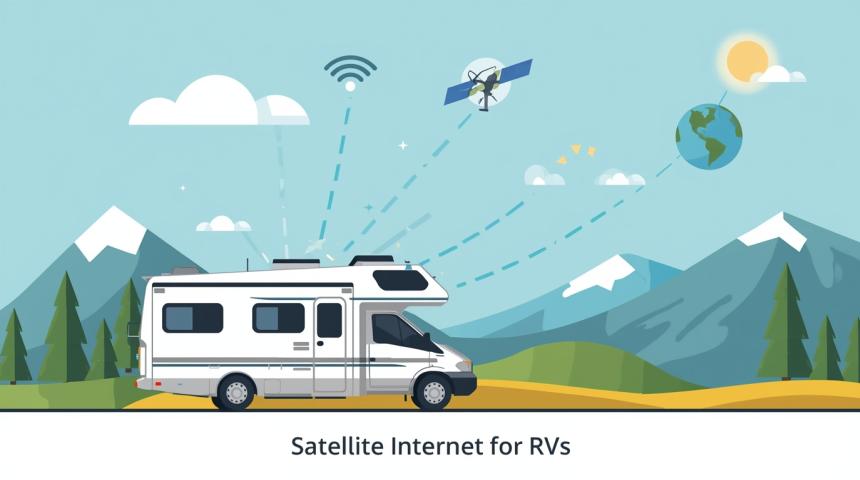
Satellite internet uses signals from satellites orbiting the Earth to provide internet access instead of relying on cables, fiber, or cell towers. This means you can get online almost anywhere, even in remote forests, deserts, or mountains.
Unlike traditional internet options, RV satellite internet isn’t tied to a fixed location. It’s designed for mobility, making it ideal for life on the road.
Why RV Travelers Are Switching to Satellite Internet
1. Coverage Where Cellular Fails
One of the biggest advantages of satellite internet is nationwide and even global coverage. Cellular networks often struggle in rural or off-grid areas, but satellites don’t have that limitation.
So whether you're parked by a lake or deep in the wilderness, you can still stay connected.
2. Reliable Connection for Remote Work
With more people embracing remote work and digital nomad life>
Satellite internet allows you to:
Join video calls without interruptions
Upload and download large files
Run cloud-based applications
3. Perfect for Streaming and Entertainment
Long RV trips can involve downtime, and that’s when good internet becomes important.
With a strong satellite connection, you can:
Stream movies and shows
Watch YouTube or live sports
Stay connected on social media
4. True Freedom to Travel Anywhere
No more planning routes based on Wi-Fi availability. Satellite internet lets you travel without worrying about connectivity.
Key Features to Look for in the Best RV Satellite Internet
Choosing the right setup can make all the difference. Here’s what to look for:
Portability
Your system should be easy to install, pack, and move. RV life is always changing, so your internet setup should be as well.
Speed and Performance
Look for plans that offer:
High download speeds
Low latency (especially important for video calls)
Data Plans
Some providers offer unlimited data, while others have caps. Choose based on your usage:
Light users: browsing and emails
Heavy users: streaming and remote work
Ease of Setup
The best systems are plug-and-play, requiring minimal technical knowledge.
Satellite Internet vs Other RV Internet Options
Satellite vs Cellular Hotspots
Cellular Hotspots: Affordable but limited coverage
Satellite Internet: Wider coverage, better for remote areas
Satellite vs Public Wi-Fi
Public Wi-Fi: Free but unreliable and insecure
Satellite Internet: Private, secure, and consistent
Satellite vs Campground Wi-Fi
Campground Wi-Fi: Often slow due to shared usage
Satellite Internet: Dedicated connection for your needs
How Satellite Internet Works in an RV Setup
The setup is simpler than you might think:
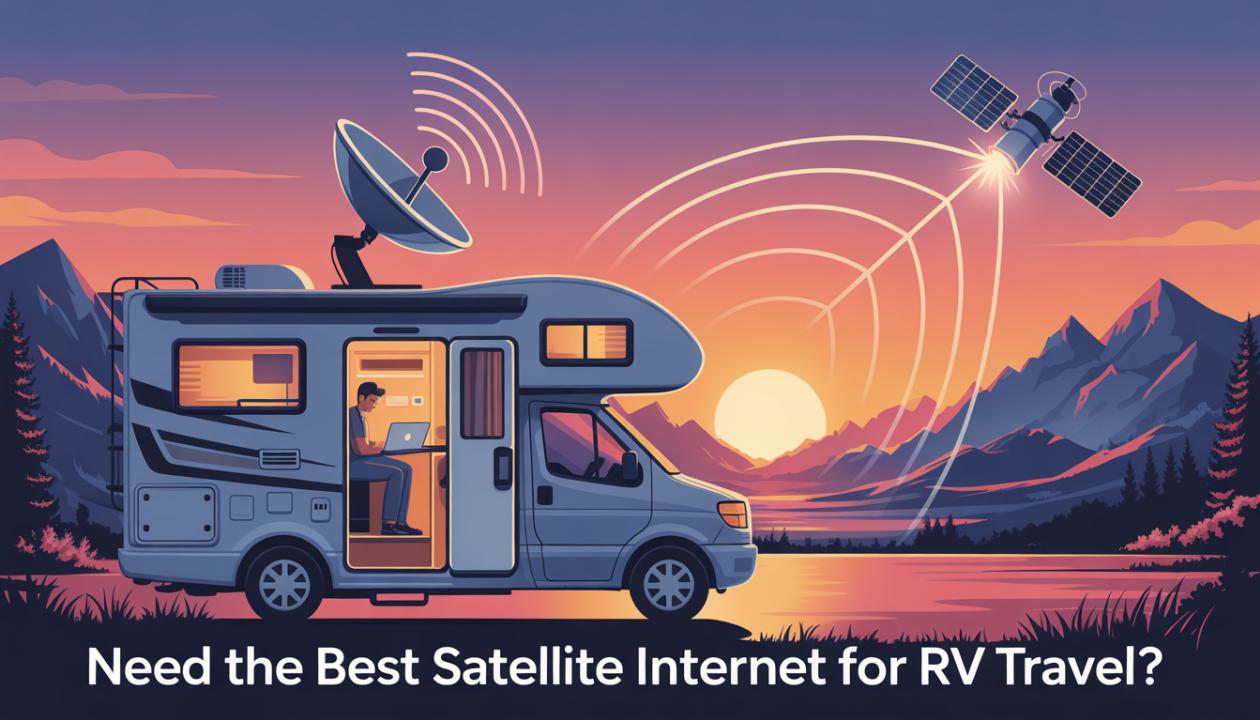
A satellite dish (portable or mounted) connects to satellites in orbit
The signal is transmitted to your modem/router inside the RV
You connect your devices via Wi-Fi
Some modern systems even auto-align with satellites, making setup quick and hassle-free.
Real-Life Use Cases: Who Needs RV Satellite Internet?
Full-Time RVers
If you live on the road, satellite internet ensures you're always connected, no compromises.
Remote Workers & Freelancers
From Zoom meetings to cloud tools, you need stable internet to stay productive.
Content Creators & YouTubers
Uploading videos, editing content, and staying active online becomes easier with reliable speeds.
Adventure Travelers
Exploring off-grid locations? Satellite internet keeps you connected for navigation, safety, and communication.
Common Challenges (And How to Overcome Them)
Weather Interference
Heavy rain or storms can sometimes affect signal quality.
Solution: Choose high-quality equipment and position your dish properly.
Initial Cost
Satellite setups can be more expensive upfront compared to hotspots.
Solution: Think of it as an investment in reliability and freedom.
Power Usage
Satellite systems require power, which can be a concern in off-grid setups.
Solution: Pair with solar panels or a reliable battery system.
Tips to Get the Most Out of Your RV Internet
Position your dish with a clear view of the sky
Avoid obstructions like trees or buildings
Monitor your data usage
Use a Wi-Fi extender for larger RVs
Combine satellite with cellular backup for best results
The Future of RV Internet
Satellite technology is rapidly improving. With advancements in low-Earth orbit satellites, users are seeing:
Faster speeds
Lower latency
More affordable plans
This means the gap between traditional broadband and satellite internet is closing quickly, making it a top choice for RV travelers.
Conclusion
RV travel is all about freedom, but staying connected shouldn’t hold you back.
The best satellite internet for RV travel gives you:
Reliable access anywhere
Freedom to explore without limits
The ability to work, stream, and stay connected on your terms
If you're serious about life on the road, investing in satellite internet isn’t just convenient; it’s necessary.
FAQs: Best Satellite Internet for RV Travel
1. What is the best satellite internet for RV travel?
The best option depends on your needs, but look for providers that offer high speeds, portability, and wide coverage for consistent performance on the road.
2. Is satellite internet fast enough for streaming and work?
Yes, modern satellite internet can handle streaming, video calls, and remote work, especially with newer technologies improving speed and latency.
3. Does satellite internet work everywhere in an RV?
It works in most places with a clear view of the sky, making it great for remote and off-grid travel.
4. How much does RV satellite internet cost?
Costs vary, including equipment and monthly plans. While it may be higher than cellular options, it offers unmatched coverage and reliability.
5. Can I use satellite internet while driving?
Some advanced systems support in-motion connectivity, but most setups are designed for use when your RV is parked.