
Gaming has grown from a simple pastime into a global phenomenon that captivates millions. What once began as basic pixelated adventures on early consoles has evolved into immersive, visually rich experiences across multiple platforms. Today, gaming is not only a source of entertainment—it’s a medium for storytelling, https://sky88x.co.com/ competition, social connection, and even professional opportunities.
The Growth of Gaming Platforms
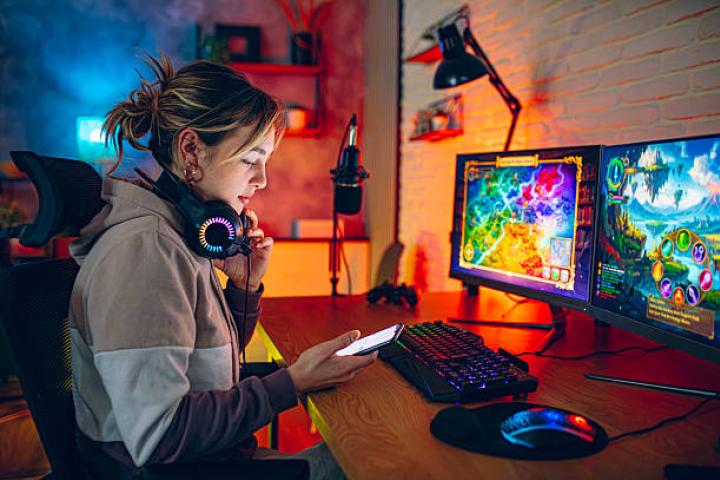
Modern gaming spans a variety of platforms, each offering unique experiences. Home consoles provide high-quality graphics, exclusive content, and seamless multiplayer experiences, while personal computers appeal to those who enjoy customization, expansive libraries, and online connectivity. Mobile devices have also transformed gaming by making it accessible to millions, offering quick and engaging experiences that can be enjoyed anywhere.
This variety has helped gaming reach a broad audience, from casual players who enjoy quick sessions to dedicated enthusiasts who spend hours exploring intricate worlds. The diversity of platforms ensures that anyone, regardless of experience level, can find a way to enjoy gaming.
Gaming Genres: Something for Everyone
One of the most exciting aspects of gaming is the variety of genres, catering to nearly every interest. Action and adventure games provide fast-paced challenges and exploration, while role-playing experiences allow players to immerse themselves in rich narratives and develop characters over time.
Simulation games give players the ability to create and control virtual lives or environments, offering creativity and experimentation. Strategy-based games test critical thinking and planning skills, whether it’s managing resources, solving puzzles, or competing against others in tactical challenges. Racing and sports simulations capture the excitement of competition, offering highly realistic experiences that replicate real-world dynamics.
This diversity ensures that there is a game for every personality type, interest, and skill level. Players can explore fantastical worlds, solve complex challenges, or engage in competitive play, all depending on their preference.
The Social Dimension of Gaming
Gaming has become an increasingly social activity. Multiplayer and online games connect players across the world, enabling collaboration, competition, and community-building. Online platforms allow players to join virtual communities, participate in events, and share experiences with friends or strangers alike.
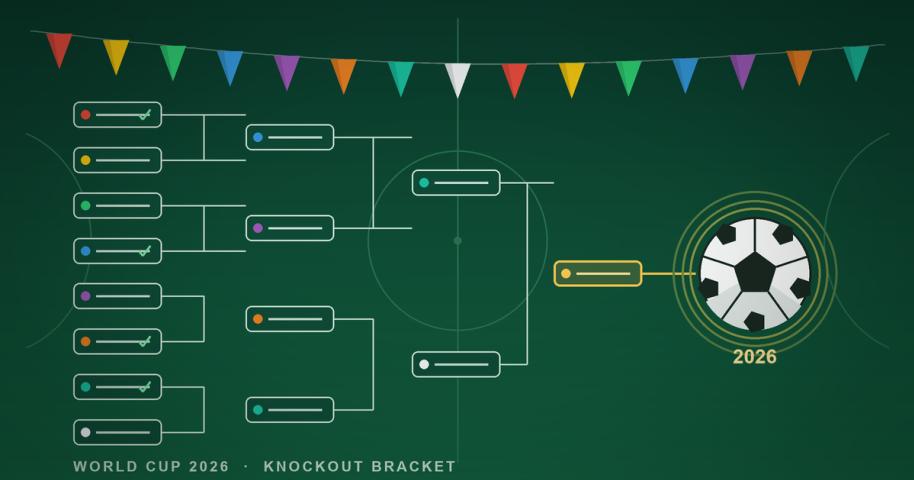
The competitive side of gaming has also emerged as a significant phenomenon. Organized tournaments, live streaming, and global leaderboards have turned gaming into a spectator experience, where players showcase their skills to audiences worldwide. Social interaction extends beyond competition, as communities often form around shared interests, strategies, and in-game achievements.
Streaming platforms have further amplified the social aspect of gaming, enabling players to share experiences in real time, discuss strategies, and engage with audiences. This combination of interaction, competition, and collaboration has transformed gaming from a solitary hobby into a vibrant, connected culture.
Gaming as an Art Form
Gaming is increasingly recognized as an art form that combines storytelling, visuals, music, and interactivity. Story-driven experiences can evoke deep emotional responses, presenting players with complex characters, meaningful choices, and immersive worlds.
Visual design, music, and sound effects enhance immersion, creating experiences that resonate long after gameplay ends. Many games focus on aesthetics, atmosphere, and narrative cohesion, making the medium a platform for artistic creativity that rivals other forms of entertainment. The interactive nature of gaming allows players to influence stories and environments, making them an integral part of the artistic experience.
Technological Advancements and Innovation
Technology has been a driving force in gaming’s evolution, introducing new ways to play and interact. Virtual and augmented reality allow players to experience worlds in entirely new ways, creating immersive environments where exploration and interaction feel natural.
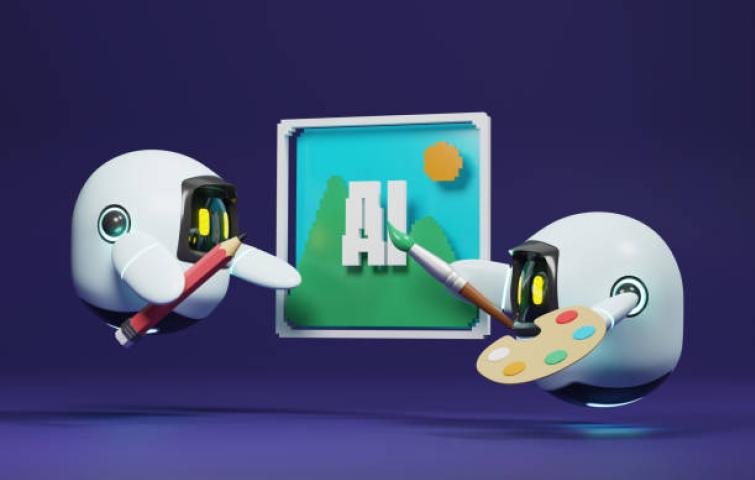
Artificial intelligence enhances gaming by making characters and environments more responsive and adaptive, offering challenges that evolve based on player decisions. Cloud-based gaming allows high-quality experiences on devices that might otherwise be limited, reducing barriers to access and enabling players to enjoy complex experiences without expensive hardware.
Gaming and Mental Health
Contrary to outdated stereotypes, gaming can have positive effects on mental health when approached in moderation. Puzzle and strategy games improve cognitive skills, problem-solving abilities, and hand-eye coordination. Cooperative games encourage teamwork, communication, and social interaction, which can reduce feelings of isolation.
Gaming also provides a creative outlet and stress relief, offering safe spaces for exploration and expression. Mental health professionals are exploring the potential of games as tools for rehabilitation and therapy, demonstrating the medium’s versatility beyond entertainment.
The Future of Gaming
Sky88 of gaming is bright and constantly evolving. Advances in technology continue to push the boundaries of immersion, interactivity, and creativity. Cross-platform play, community-driven content creation, and adaptive storytelling are likely to become standard, making gaming more inclusive and diverse than ever.
Gaming is no longer just a hobby; it has become a global culture, a professional pursuit, and a powerful storytelling medium. The possibilities for creativity, social connection, and entertainment in the gaming world are limitless. Whether someone is a casual player, a competitive enthusiast, or a content creator, the world of gaming offers endless opportunities to explore, connect, and enjoy.