Gaming has become an essential part of modern culture, influencing how people spend their time, communicate, and even think. What was once considered a niche hobby is now a mainstream activity enjoyed by millions across the globe. From casual players to dedicated enthusiasts, gaming offers something meaningful for everyone. It is no longer just about passing time—it has become a way of life for many.
The Evolution of Player Experiences
Over the years, gaming has undergone a remarkable transformation. Early games focused on simple mechanics and repetitive challenges, but today’s experiences are far more complex and engaging. Players can now explore detailed worlds, follow deep storylines, and interact with environments that feel alive.
The focus has shifted from basic entertainment to immersive experiences. Players are given freedom to make choices, explore different paths, and influence outcomes. This evolution has made gaming more personal, as each player’s journey can be unique.
Gaming as a Daily Activity
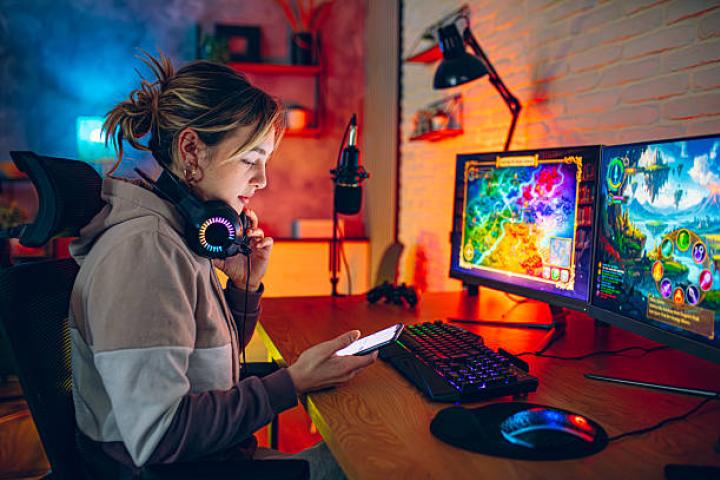
For many people, gaming has become part of their daily routine. Whether it’s a quick session during a break or a longer playtime in the evening, games provide a convenient way to relax and unwind. The flexibility of gaming allows it to fit into different life>
Short, casual games are perfect for quick entertainment, while more complex experiences offer long-term engagement. This variety ensures that players can choose how they want to spend their time, depending on their mood and availability.
The Psychology Behind Gaming
Gaming is designed to be engaging, and it often taps into basic psychological principles. Reward systems, progress tracking, and achievements motivate players to continue playing. Completing challenges and reaching goals provides a sense of satisfaction and accomplishment.
This sense of progress is one of the reasons gaming is so appealing. Players can see their improvement over time, whether it’s mastering a skill, completing difficult levels, or unlocking new features. These achievements create a positive feedback loop that keeps players engaged.
Social Influence and Interaction
Gaming has changed the way people interact socially. Online connectivity allows players to communicate and collaborate in real time, regardless of physical distance. Friends can play together, compete against each other, or simply spend time in shared virtual spaces.
This social aspect has made gaming a powerful tool for building relationships. Many players form long-lasting friendships through shared experiences in games. For some, gaming communities provide a sense of belonging and connection that extends beyond the digital world.
In addition, gaming has influenced popular culture, inspiring trends, discussions, and shared moments that bring people together. It has become a common topic of conversation, bridging gaps between different groups and generations.
Economic Impact of Gaming
The gaming industry has grown into a major economic force, creating jobs and opportunities in various fields. Developers, designers, artists, writers, and programmers all contribute to the creation of games. In addition, careers in content creation, streaming, and competitive play have emerged as viable options for those passionate about gaming.
This growth has also led to innovation in related industries, such as technology and digital media. Gaming continues to drive advancements that benefit other areas, making it an important part of the global economy.
Challenges Within the Gaming World
Despite its many advantages, gaming is not without challenges. Issues such as excessive screen time, online toxicity, and lack of balance can affect players negatively. It is important for individuals to be aware of these challenges and take steps to manage their gaming habits responsibly.
Parents and guardians also play a role in guiding younger players, ensuring that gaming remains a positive and safe activity. Setting boundaries and encouraging healthy habits can help prevent potential problems.
The Role of Innovation in Gaming
Innovation continues to shape the future of gaming. New technologies are constantly being introduced, improving the quality and depth of gaming experiences. Enhanced visuals, realistic physics, and intelligent systems are making games more engaging than ever before.
Virtual environments and interactive features are pushing the boundaries of what games can achieve. These advancements are not only improving gameplay but also expanding the possibilities for storytelling and creativity.
Gaming and Personal Growth
Gaming can contribute to personal development in several ways. It encourages persistence, as players often need to try multiple times to overcome challenges. It also promotes strategic thinking, as players must plan and adapt to succeed.
In addition, gaming can boost confidence. Achieving goals and improving skills within a game can translate into a sense of accomplishment that carries over into real life. For many players, gaming is not just entertainment—it is a way to grow and improve.
Conclusion
Dabet has become a powerful force in modern society, shaping how people interact, learn, and entertain themselves. Its impact goes beyond the screen, influencing culture, technology, and personal development.
As gaming continues to evolve, it will remain an important part of everyday life. With its ability to connect people, inspire creativity, and provide meaningful experiences, gaming is more than just a hobby—it is a dynamic and ever-growing part of the digital age.