Buying new computers for short projects rarely makes sense. Costs add up quickly, and the systems may sit unused once the work ends. This is why many companies now prefer a desktop computer on rent rather than purchasing new machines.
From training programs to temporary hiring drives, rented desktops help businesses stay flexible without heavy spending. Companies like IVM Technologies support organizations that need ready-to-use systems for short or long durations.
Why Businesses Choose Desktop Computer on Rent
Renting desktops solves many everyday business problems.
Here are some common reasons companies rent systems:
Short-term projects
Employee onboarding
Training sessions
Events and workshops
Temporary office setup
Software testing environments
Instead of investing large amounts upfront, businesses pay only for the time they need the computers.
Who Should Consider Desktop Computer Rental?
Desktop rentals work well for many industries.
Corporate Offices
Companies hiring new teams often need systems quickly. Rental services help them avoid purchase delays.
Training Institutes
Training centers often need multiple desktops for students. Renting allows them to upgrade systems without buying new hardware every year.
Event Companies
Technical events, exams, and exhibitions often require temporary setups. Renting desktops keeps things simple.
Startups
New businesses often manage tight budgets. Renting allows them to focus funds on growth rather than equipment.
Advantages of Renting Desktop Computers
Many businesses switch to rentals after comparing costs and convenience.
Lower Initial Cost
Buying 20 desktops can be expensive. Renting spreads the cost monthly.
Easy Upgrades
Rental providers often allow configuration changes when your project grows.
Maintenance Support
Most rental agreements include technical support. If a system fails, replacement is usually arranged.
Quick Deployment
Rental companies often deliver pre-configured systems ready for use.
No Storage Issues
Once your project ends, systems are returned. No need to store unused equipment.
What Comes With a Desktop Computer on Rent?
Rental packages usually include more than just a CPU.
Typical packages may include:
Desktop CPU
Monitor
Keyboard and mouse
Licensed operating system
Required software (if requested)
Installation support
Some companies also provide networking setup.
How to Choose the Right Desktop Rental Provider
Choosing the right partner saves time and avoids technical problems.
Check Hardware Quality
Ask about:
Processor generation
RAM size
Storage type (SSD preferred)
Monitor condition
Reliable hardware prevents workflow interruptions.
Ask About Support
Technical support response time matters. Confirm:
Replacement timelines
Support availability
Service coverage
Review Rental Terms
Check:
Minimum rental duration
Upgrade options
Damage policies
Payment terms
Clear agreements prevent confusion later.
Compare Customization Options
Some businesses need special configurations for design or development work. A good provider offers flexibility.
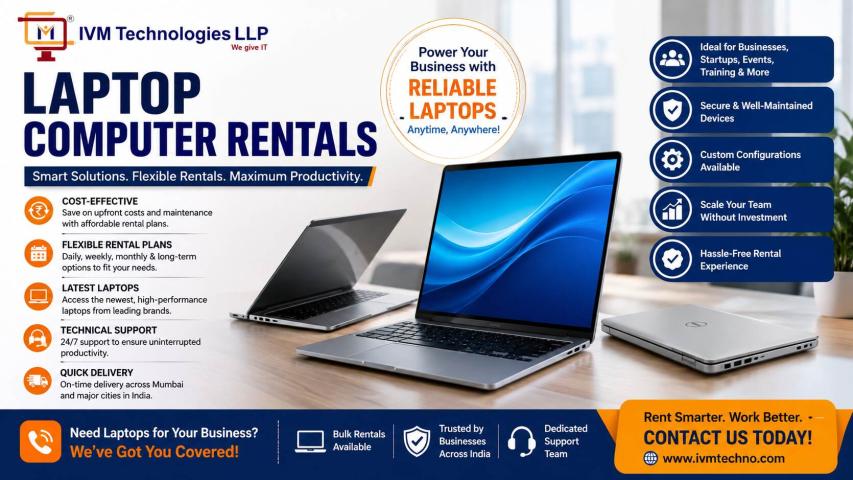
Companies such as IVM Technologies often support custom desktop configurations for corporate and training needs.
Desktop Computer vs Laptop Rental – Which Should You Choose?
Businesses often compare desktops with laptops before renting.
Here is a simple comparison:
Desktop Rental | Laptop Rental |
Better performance for price | Portable |
Larger screens | Battery powered |
Ideal for office use | Ideal for travel |
Easier upgrades | Compact design |
Cost efficient for bulk use | Higher rental cost |
Discussions around macbook vs windows laptop often come up when companies consider laptop rentals, but desktops remain the practical choice for fixed workstations.
Situations Where Desktop Rentals Work Better Than Laptops
Desktops are often preferred when:
Work happens at fixed desks
Employees don't travel
Budget matters
Performance is needed
Bulk systems are required
Laptops work better for sales teams and remote workers, but desktops remain common in office environments.
Common Desktop Configurations Businesses Rent
Rental providers usually offer different performance levels.
Basic Office Configuration
Suitable for:
Data entry
Office software
Browsing
Typical specs:
Intel i3 / Ryzen 3
8GB RAM
SSD storage
Business Performance Configuration
Suitable for:
Development
Accounting software
CRM tools
Typical specs:
Intel i5 / Ryzen 5
16GB RAM
SSD storage
High Performance Configuration
Suitable for:
Design software
Video editing
Engineering tools
Typical specs:
Intel i7 / Ryzen 7
32GB RAM
Dedicated graphics card
Providers like IVM Technologies often supply these options based on project requirements.
How Desktop Rental Helps Growing Companies
Growing teams often face uncertain equipment needs. Rentals allow businesses to adjust quickly.
Benefits include:
Add systems when hiring increases
Reduce systems after projects finish
Test infrastructure before purchase
Manage cash flow better
Many IT teams prefer this model because it reduces procurement pressure.
Mistakes to Avoid When Renting Desktop Computers
Some businesses face issues due to simple oversights.
Avoid these common mistakes:
Choosing cheapest hardware without checking performance
Ignoring service response time
Not confirming software requirements
Skipping written agreements
Renting outdated systems
Checking these factors early prevents operational issues.
Questions to Ask Before Renting
Before signing a rental agreement, ask:
Are systems new or refurbished?
What happens if a desktop stops working?
Is on-site support available?
Can configuration be upgraded?
Is data security handled during returns?
Clear answers help build confidence.
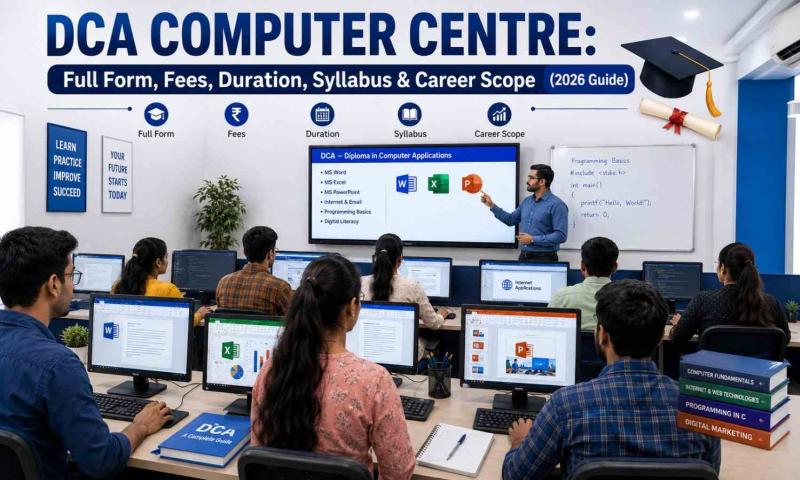
Desktop Rentals for Training and Education Programs
Training companies often rent desktops for:
Certification programs
Software training
Campus drives
Skill workshops
Rental allows institutes to run multiple batches without heavy infrastructure costs.
How Long Can You Rent Desktop Computers?
Rental periods vary.
Common options include:
Daily rental (events)
Monthly rental (projects)
Quarterly rental
Yearly contracts
Longer contracts usually reduce monthly costs.
When Should You Consider Buying Instead?
Renting works well for temporary needs. Buying may make sense if:
Systems are needed for many years
No configuration changes expected
Internal IT support exists
Budget allows upfront purchase
Many companies start with rentals and purchase later once requirements stabilize.
Get Desktop Computers Ready for Your Next Project
If your company needs systems for training, hiring drives, or short-term office setups, renting desktops can simplify planning. The right rental partner helps you get systems delivered, installed, and maintained without extra stress.
Companies such as IVM Technologies support organizations looking for dependable desktop rental services with flexible plans and technical assistance. A simple enquiry could help you arrange systems for your next requirement without long procurement cycles.
FAQs
How much does a desktop computer on rent cost?
Rental cost depends on configuration and duration. Basic office desktops usually start from affordable monthly plans, while high-performance systems cost more.
Can I rent desktops for one month?
Yes. Many providers offer monthly rental options, especially for projects and training sessions.
Is renting better than buying desktops?
Renting works well for temporary needs or growing teams. Buying works better for long-term stable usage.