
Vehicle number plates in India come
in different colours, and each colour represents a specific category of vehicle
usage or ownership. Among these, the red number plate is one of the least
commonly seen but highly significant identifiers.
A red
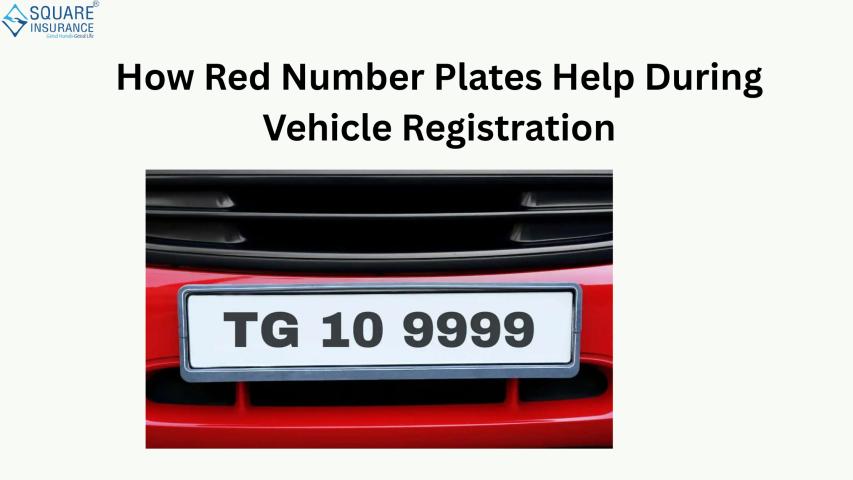
number plates in India is primarily used for temporary registration of new vehicles. It indicates that the
vehicle is not permanently registered yet and is allowed to be driven only for
a limited period under specific conditions.
In this detailed guide, we will
explain what a red number plate is, its purpose, rules, validity, and
everything vehicle owners should know.
Understanding
Red Number Plate in India
A red number plate is issued by the
Regional Transport Office during the temporary registration phase of a
new vehicle. It is usually provided by the dealer at the time of purchase
before permanent registration is completed.
Key
Characteristics:
- Red background with white text
- Temporary registration number
- Issued for new vehicles only
- Valid for a limited time
This system ensures that new
vehicles can be legally driven before permanent registration is completed.
Why
Red Number Plates Are Used
The main purpose of red number
plates is to allow temporary movement of new vehicles.
Key
Reasons:
- Enables transport of new vehicles from showroom to
owner’s location
- Allows time for permanent registration process
- Helps authorities identify unregistered vehicles
- Ensures legal compliance during transit
Without a temporary registration,
driving a new vehicle would be illegal in India.
Validity
of Red Number Plates
Red number plates are not permanent.
They come with a strict validity period.
Validity
Details:
- Typically valid for 1 month
- Can sometimes be extended depending on state rules
- Must be converted to permanent registration within
validity
If the vehicle is not registered
within this period, it cannot be legally driven on public roads.
Who
Gets Red Number Plates in India
Red number plates are issued to:
- New car buyers
- New two-wheeler owners
- Commercial vehicle purchasers before permanent
registration
- Vehicles in transit between states or cities
Essentially, any newly purchased
vehicle awaiting permanent registration will have a red number plate initially.
Rules
and Regulations for Red Number Plates
There are specific rules that govern
the use of red number plates in India.
Important
Rules:
- Vehicle must be registered within validity period
- Temporary registration number must be clearly displayed
- Vehicle cannot be used for commercial purposes unless
permitted
- Driving outside validity is illegal
Authorities strictly monitor
compliance to avoid misuse.
Temporary
Registration Process
The process of getting a red number
plate is usually handled by the dealer.
Steps
Involved:
Step
1: Vehicle Purchase
After buying a new vehicle, the
dealer initiates temporary registration.
Step
2: Application Submission
Dealer submits required documents to
the RTO.
Step
3: Issuance of Temporary Number
RTO issues a temporary registration
number displayed on a red plate.
Step
4: Vehicle Delivery
The vehicle is delivered with the
red number plate installed.
Step
5: Permanent Registration
Owner must apply for permanent
registration before expiry.
Difference
Between Red and White Number Plates
Understanding the difference helps
avoid confusion.
Red
Number Plate:
- Temporary registration
- Used for new vehicles
- Limited validity
White
Number Plate:
- Permanent private vehicle registration
- Used for personal vehicles
- Valid for lifetime (with renewal of documents)
Importance
of Red Number Plates
Red number plates play an important
role in vehicle administration.
Benefits:
- Ensures legal movement of new vehicles
- Prevents misuse of unregistered vehicles
- Helps authorities track new vehicle entries
- Simplifies registration process
They act as a bridge between
purchase and permanent registration.
Penalties
for Misuse of Red Number Plates
Using a red number plate incorrectly
can lead to penalties.
Common
Violations:
- Driving after expiry of temporary registration
- Using vehicle for commercial purposes illegally
- Failing to apply for permanent registration
Consequences:
- Heavy fines
- Vehicle seizure in some cases
- Legal action under motor vehicle laws
Expert
Insight on Red Number Plates
From a regulatory and insurance
perspective, temporary registration is a crucial step in ensuring that every
vehicle on the road is properly documented. It reduces fraud risks and ensures
traceability of new vehicles.
Proper conversion from temporary to
permanent registration also plays an important role in insurance validation and
claim processing.
Role
of Red Number Plates in Insurance
Insurance companies often require
proper registration details for policy issuance and claims.
Importance:
- Ensures vehicle identity is verified
- Helps in issuing valid insurance policies
- Reduces claim disputes
- Supports compliance with legal requirements
A properly registered vehicle
ensures smoother insurance coverage.
Conclusion
A red number plate in India is a
temporary registration marker used for new vehicles before permanent
registration. It ensures that vehicles can be legally driven during the
transition period while maintaining compliance with transport laws.
Understanding its purpose, validity,
and rules is essential for every vehicle owner to avoid penalties and legal
issues. Proper registration not only ensures smooth ownership but also supports
insurance and documentation processes.
At Square Insurance, we
help vehicle owners stay compliant with registration and insurance requirements
so they can enjoy a hassle-free driving experience.
Frequently
Asked Questions
1.
What does a red number plate mean in India?
It indicates that the vehicle has
temporary registration before permanent registration is completed.
2.
How long is a red number plate valid?
It is usually valid for up to one
month, depending on state regulations.
3.
Can I drive a car with a red number plate?
Yes, but only within the validity
period and under legal conditions.
4.
Who issues red number plates?
They are issued by authorized
dealers after approval from the RTO.
5.
What happens if I don’t convert it to permanent registration?
You may face fines, penalties, or
legal action for non-compliance.