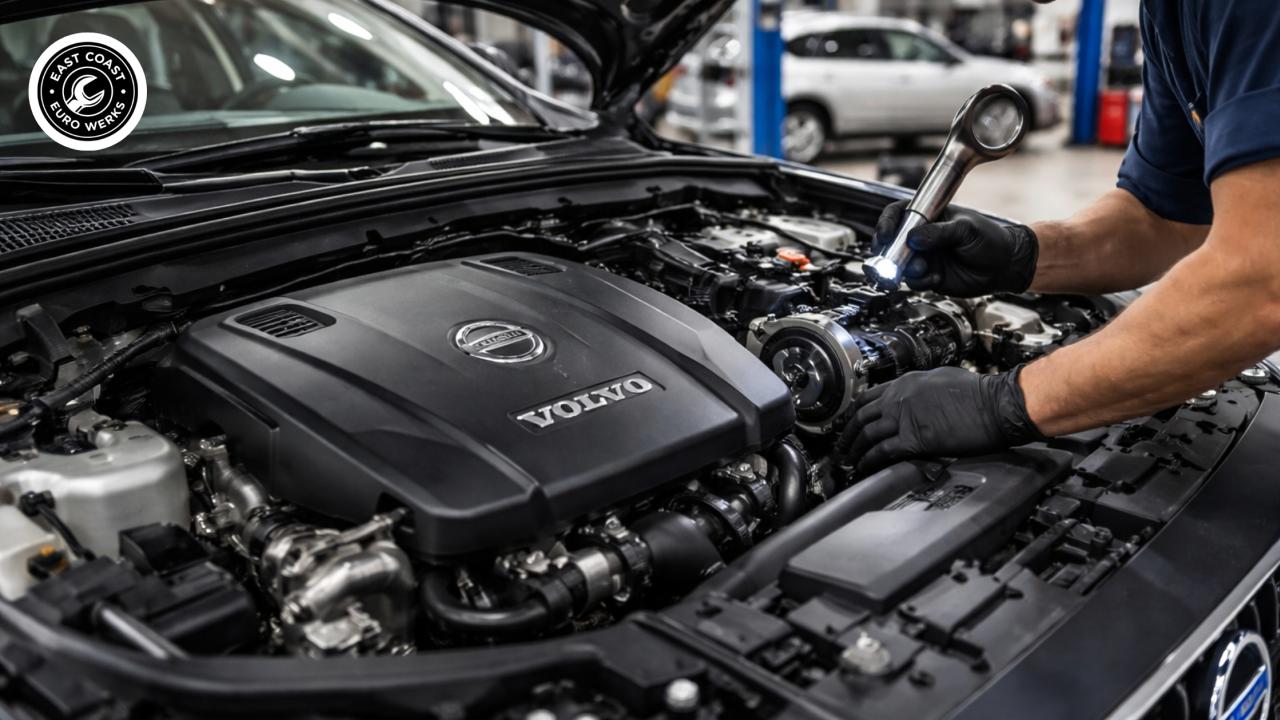
Modern Volvo engines are made to be smooth, powerful, and efficient for the long haul. But like any high-quality machine, they need regular attention as parts naturally wear down. Most engine problems don't just pop up unexpectedly; they usually give plenty of warning first.
More often, they start with small changes that seem easy to ignore, such as rough idle, reduced acceleration, unusual sounds, or warning lights that appear only occasionally.
Understanding how Volvo auto repair typically begins helps owners recognize when normal wear is becomes something that needs closer attention.
The best way to handle Volvo engine repairs is to find parts early, which are under pressure before a little bit of wear turns into serious internal damage.
1. Early Engine Warning Signs
Engine trouble rarely hits all at once. For most Volvos, the first red flags pop up gradually, even if the car still feels okay for your everyday drive.
- A little shaking when you start up
- The car feels slower to pick up speed
- A light vibration while you're moving
- Getting fewer miles to the gallon
- Warning lights that flicker on and off
These glitches don't always mean your engine is in trouble, but they are signals that something is off. Simple things like a worn-out coil, a clogged injector, or a tiny air leak can damage a car’s performance before you come up with a huge repair bill.
2. Primary Engine Components
When engine worries pop up, a few main parts are usually the first to be checked because they control how the car fires up, stays in time, and runs smoothly.
Common checkpoints include:
- Spark plugs
- Ignition coils
- Fuel injectors
- Gaskets and seals
- Crankcase ventilation components
3. Oil Protection Matters
Oil is one of the most important factors in protecting engine components, especially in turbocharged Volvos that run very hot during a normal commute.
As oil gets old, it loses its ability to protect parts from heat and friction. If you skip an oil change, the internal parts of your engine can slowly start to wear down.
Main things to keep an eye on:
- Oil level
- How clean the oil appears
- The condition of the filter
- Tiny leaks near the seals
A small leak might not stop your car today, but over time, it gradually lowers oil volume and forces the engine to work much harder.
That is why most mechanics start with a quick fluid check before looking for bigger problems. Catching oil issues early saves you from massive mechanical work later.
4. Cooling System Checks
Keeping your engine at the right temperature is a must for making it last. Volvo engines need to stay cool to run efficiently and stay durable.
Cooling service usually involves checking:
- Rubber hoses
- The thermostat
- The radiator
- The water pump
If the cooling system slows down, the car might seem fine at first, but heat starts building up inside more than it should.
Red flags to watch for:
- The temp gauge is rising in traffic
- The fan is running long after you park
- A sweet smell is coming from the hood
- Low coolant warning lights
Even a small cooling leak can hurt the engine if it’s ignored. Sometimes, even a weak coolant reservoir cap can reduce system pressure and affect cooling efficiency.
5. Turbo and Airflow Checks
Most new Volvos use turbos, which means the car needs a perfect balance of air to stay powerful and maintain fuel efficiency.
Technicians usually check for intake hoses, turbo pressure lines, air filters, and boost sensors. A small split in a hose or a sensor giving the wrong info can make your car feel sluggish, even if the engine is actually fine.
Since turbo systems need everything to be just right, even a tiny air leak can reduce acceleration response and cause you to increase fuel consumption.
This is one reason many owners seeking auto services in Wilmington are often advised to investigate airflow symptoms early rather than waiting for stronger performance loss.
6. Diagnostics First
Modern engine repair rarely begins by replacing parts immediately. Electronic diagnostics usually help identify where the system is beginning to lose balance.
A professional check-up often looks at:
- Fuel trim readings
- Sensor communication
- Timing data
- Airflow levels
- Stored fault codes
A sensor can start giving wrong information long before a dashboard light stays on. For example, data might show an oxygen sensor acting up well before you notice your gas mileage dropping. This data helps mechanics focus on the real problem so they don’t swap out parts that are still working fine.
In turbo engines, checking boost data can explain why a car feels sluggish before any real damage happens.
7. Timing System Inspection
The timing system keeps the valves and pistons moving in perfect sync. If that gets out of sync, your engine is in trouble.
Timing service usually looks at:
- The condition of the belt
- How tight the chain is
- Wear on the guides
If the timing starts to slip, you might notice a rough idle, strange noises when you start the car, or a stumble when you accelerate. Because this system controls the engine’s internal rhythm, catching a problem early prevents major internal engine damage. These issues usually build up slowly, so spotting them early is a huge win.
8. Preventive Driving Habits
Engine issues can get worse faster if your daily driving habits put too much stress on the car before it’s ready. Simple ways to cut down on wear include:
- Avoid hitting the accelerator hard until the engine has warmed up
- Keep an eye on your fluid levels between shop visits
- Never ignore warning lights on the dashboard
- Stay alert for any new noises or vibrations
Short trips can actually be tougher on a car because the engine may not stay running long enough to reach full operating temperature. Staying proactive keeps repairs small and keeps the car on the road longer.
Engine Care Supports Long-Term Reliability
Volvo engines are made to last, but staying reliable depends on consistent care and attention to small changes in performance.
Knowing which parts usually wear out first helps you catch issues early, saving you from much higher repair costs later on.
When that attention becomes part of regular ownership, long-term reliability improves, and future auto repair in Wilmington often becomes simpler, more accurate, and less disruptive.