Learn how early math supports cognitive development, improves problem-solving, and prepares children for real-world thinking beyond the classroom.
How Early Math Builds Cognitive & Problem-Solving Skills
Written by
imathscanada2020
203 days ago
Related articles:
10 Screen-Free Math Activities For Toddlers' Early Learning
Explore 10 screen-free math activities for toddlers that strengthen early learning, focus, and confidence without screens or apps.
How Brain Develops Between Ages 3–6: What Parents Must Know
Explore the science behind preschool brain development, cognitive growth, and critical milestones between ages 3–6.
5 Signs of Cognitive Challenges & Activities That Help
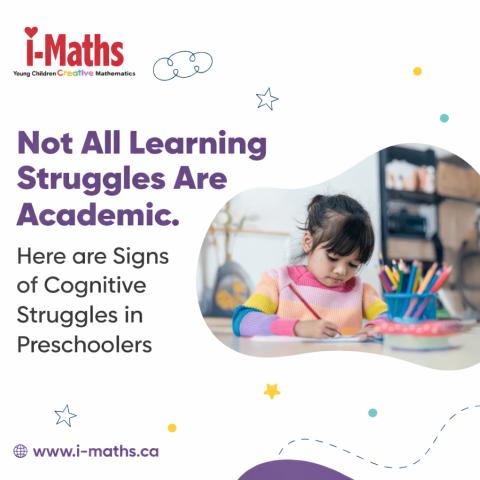
Noticing focus, memory, or learning challenges in your preschooler? Discover 5 signs of cognitive struggles and simple ways to support them.
Why Parent Involvement in Early Childhood Education Matters?
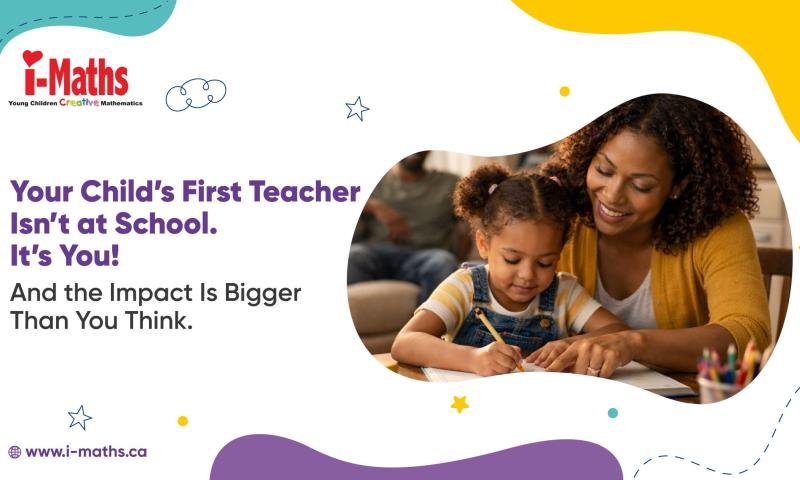
Explore the science behind parental engagement and its impact on early childhood education success. Learn about simple home learning activities that can help.
How Hands-On Math Learning Improves Retention in Children
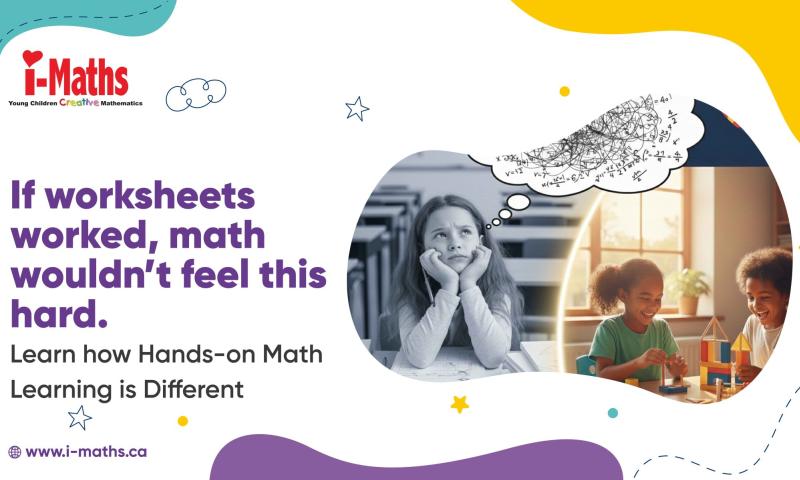
Math sticks when children do, not memorize. Explore the science and benefits of tactile, hands-on math learning and learn how it builds confident thinkers.
Early Childhood Brain Development During the First 5 Years
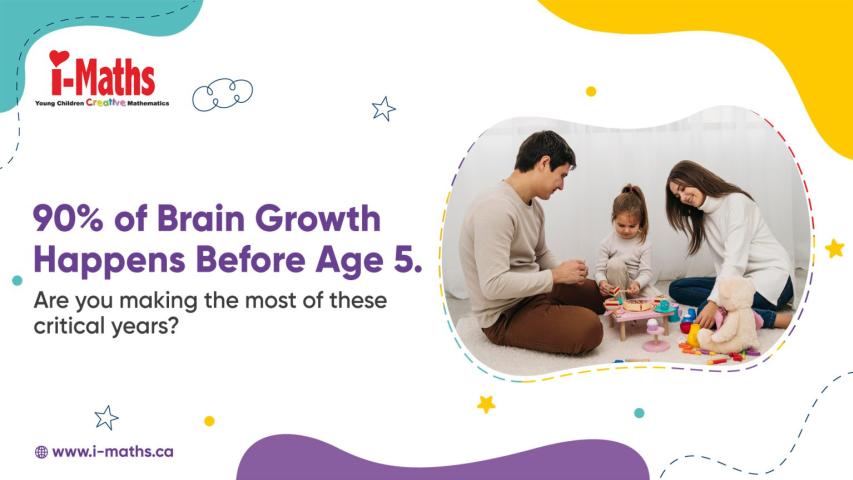
Learn how brain development in the first five years impacts cognitive growth, preschool learning, and long-term academic success.
Simple Counting Activities For Preschool Brain Development
Discover how simple counting activities for preschoolers improve cognitive skills, focus, and early math confidence through fun, play-based learning.
How Are Screens Quietly Changing The Parent-Child Bonds

How to Talk to Your Child About KindergartenIf your little one is about to start kindergarten, you’re probably feeling a mix of excitement, pride, and maybe a few nerves. You’re..
Unlocking Potential Through Early Childhood Education | i-Maths Canada

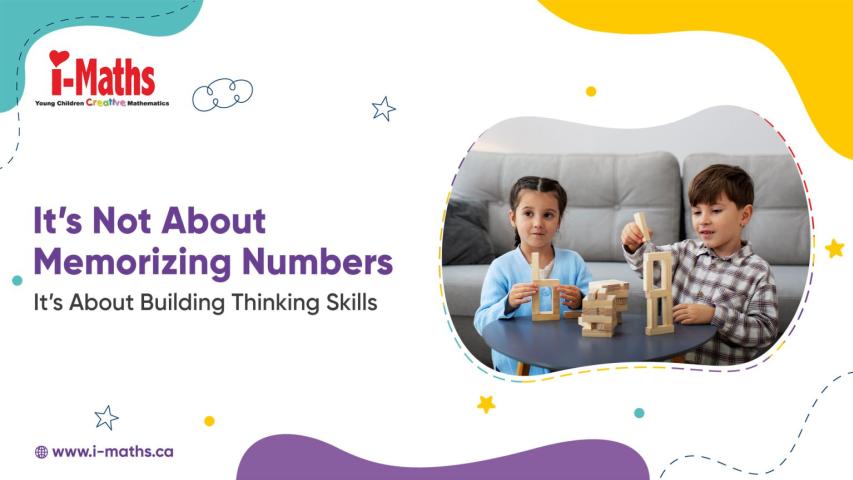
When we think of early education, numbers often steal the spotlight. Counting blocks, tracing digits, and tackling simple addition are common in most preschool learning activities. But here’s a question..
10 Screen-Free Math Activities For Toddlers' Early Learning
Explore 10 screen-free math activities for toddlers that strengthen early learning, focus, and confidence without screens or apps.
How Brain Develops Between Ages 3–6: What Parents Must Know
Explore the science behind preschool brain development, cognitive growth, and critical milestones between ages 3–6.
5 Signs of Cognitive Challenges & Activities That Help
Noticing focus, memory, or learning challenges in your preschooler? Discover 5 signs of cognitive struggles and simple ways to support them.
Why Parent Involvement in Early Childhood Education Matters?
Explore the science behind parental engagement and its impact on early childhood education success. Learn about simple home learning activities that can help.
How Hands-On Math Learning Improves Retention in Children
Math sticks when children do, not memorize. Explore the science and benefits of tactile, hands-on math learning and learn how it builds confident thinkers.
Early Childhood Brain Development During the First 5 Years
Learn how brain development in the first five years impacts cognitive growth, preschool learning, and long-term academic success.
Simple Counting Activities For Preschool Brain Development
Discover how simple counting activities for preschoolers improve cognitive skills, focus, and early math confidence through fun, play-based learning.
Is Your Preschooler Kindergarten Ready? 7 Signs to Find Out
Is Your Preschooler Kindergarten Ready? 7 Signs to Find Out
When your child solves math equations, their brain follows a hidden pattern. Discover the stages of math learning in kids..
Debunking 7 Surprising Myths About Early Childhood Education
Early childhood education is often surrounded by assumptions—many parents think preschool is simply playtime, babysitting, or unnecessary if children are learning at home. But the truth is very different. In..