Understanding linen fabric production cost is essential for manufacturers, procurement teams, and investors navigating today’s volatile industrial landscape. The global textile industry is experiencing increased demand for sustainable and natural fibers, with linen emerging as a preferred choice due to its eco-friendly profile and durability.
However, production economics are under pressure from multiple factors:
- Fluctuating raw material availability
- Rising energy costs
- Supply chain disruptions
- Labor and compliance expenses
For stakeholders, having a clear view of linen fabric manufacturing cost enables better sourcing decisions, optimized production planning, and improved investment strategies.
Overview of Linen Fabric Manufacturing
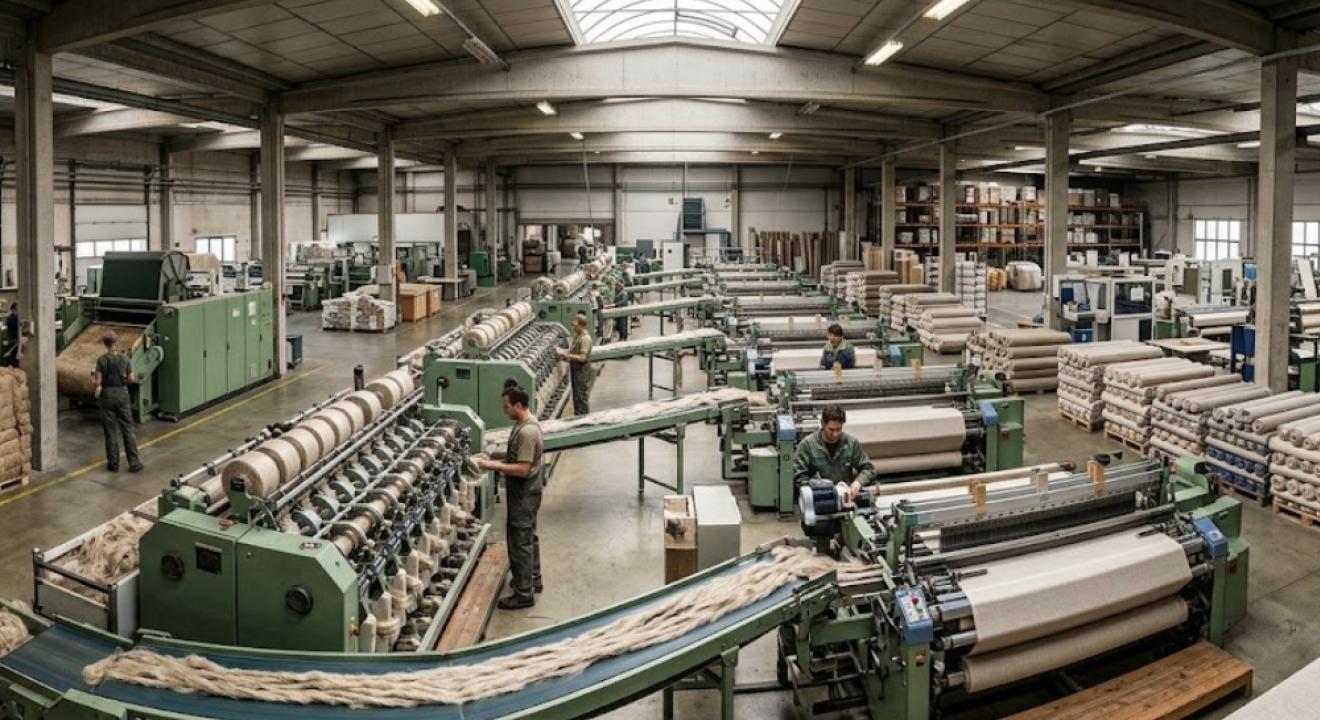
Linen fabric is derived from the fibers of the flax plant. Its production process is more complex compared to synthetic textiles, contributing significantly to the overall cost of producing linen fabric.
Key Manufacturing Steps:
-
Flax Cultivation and Harvesting
- Flax plants are grown in temperate climates.
- Harvesting requires precision to preserve fiber quality.
-
Retting Process
- Biological process that separates fibers from the plant stem.
- Can be water retting, dew retting, or chemical retting.
-
Scutching and Hackling
- Mechanical processes to extract and refine fibers.
-
Spinning
- Fibers are spun into yarn.
-
Weaving or Knitting
- Yarn is converted into fabric using looms.
-
Finishing
- Includes bleaching, dyeing, and softening.
Technologies Used:
- Automated spinning machines
- Advanced looms
- Eco-friendly dyeing technologies
Each stage adds to the linen fabric plant cost, especially due to the labor-intensive nature of flax processing.
Key Raw Materials and Inputs
The primary inputs play a critical role in determining linen fabric production cost analysis.
Core Inputs:
-
Flax Fibers
- Main raw material
- Quality and yield directly impact cost
-
Water
- Essential for retting and processing
-
Chemicals
- Used in finishing and dyeing processes
-
Energy
- Electricity and thermal energy for machinery and processing
-
Labor
- Skilled labor required for fiber extraction and weaving
Cost Influence:
- Flax prices fluctuate based on agricultural yield and climate conditions
- Water-intensive processes increase operational expenses
- Energy-intensive spinning and weaving stages drive costs upward
A detailed raw material cost analysis is essential for accurate cost estimation.
Major Cost Drivers in Production
The linen fabric manufacturing cost is shaped by multiple cost components:
1. Raw Material Costs
- Accounts for a significant portion of total production cost
- Seasonal variability in flax supply impacts pricing
2. Energy Consumption
- High energy use in spinning, weaving, and finishing
- Energy price volatility directly affects margins
3. Labor Costs
- Linen production is more labor-intensive than synthetic textiles
- Skilled workforce requirements increase operational expenses
4. Equipment and Maintenance
- Specialized machinery for fiber processing
- Regular maintenance required for efficiency
5. Transportation and Logistics
- Movement of raw flax and finished fabric
- Export-import dynamics influence costs
6. Compliance and Environmental Costs
- Wastewater treatment
- Sustainable production standards
Fluctuations in any of these components significantly impact the industrial production cost structure.
Regional Cost Differences
The linen fabric plant cost varies widely across regions due to several economic and regulatory factors.
North America
- Higher labor and compliance costs
- Advanced manufacturing technologies
- Higher energy expenses
Europe
- Strong presence of flax cultivation (especially in Western Europe)
- Strict environmental regulations
- Premium-quality production with higher costs
Asia-Pacific
- Lower labor costs
- Growing textile manufacturing hubs
- Competitive production economics
Middle East & Africa
- Limited flax cultivation
- Dependence on imports increases raw material costs
- Emerging textile manufacturing sector
Key Influencing Factors:
- Energy pricing structures
- Availability of raw materials
- Government policies and subsidies
- Scale of production facilities
These regional differences play a crucial role in chemical plant cost analysis and textile investment decisions.
Impact of Market Trends on Production Economics
The textile industry is undergoing significant transformation, influencing linen fabric production cost.
1. Sustainability and Green Manufacturing
- Linen is inherently eco-friendly
- Demand for low-impact processing technologies is increasing
2. Decarbonization Initiatives
- Shift toward renewable energy sources
- Increased capital investment in sustainable infrastructure
3. Automation and Digitalization
- Adoption of smart manufacturing technologies
- Reduces labor dependency but increases initial capital cost
4. Supply Chain Optimization
- Localization of production
- Reduced dependency on imports
5. Rising Demand for Natural Fibers
- Consumer preference for biodegradable textiles
- Drives demand and affects raw material pricing
These trends are reshaping manufacturing economics, requiring companies to adapt strategically.
Why Detailed Production Cost Intelligence Matters
In a competitive industrial environment, relying on generalized estimates is no longer sufficient. Detailed linen fabric production cost analysis provides actionable insights for:
Strategic Decision-Making:
- Setting up new manufacturing plants
- Evaluating plant feasibility and ROI
- Identifying cost optimization opportunities
Procurement Planning:
- Raw material sourcing strategies
- Supplier negotiation
- Cost benchmarking
Investment Analysis:
- Understanding capital and operating expenses
- Risk assessment
- Market entry strategies
Accurate cost intelligence helps stakeholders stay competitive and resilient in a dynamic market.
The Role of Linen Fabric Production Cost Reports
A comprehensive Linen Fabric Production Cost Report provides in-depth insights into the complete cost structure of manufacturing operations.
Such reports typically include:
- Detailed raw material consumption
- Process flow and technology analysis
- Capital expenditure (CAPEX) breakdown
- Operating costs (OPEX)
- Profitability and margin analysis
- Regional cost benchmarking
These insights enable manufacturers, investors, and procurement teams to:
- Assess production feasibility
- Optimize operational efficiency
- Make data-driven investment decisions
By leveraging a structured Linen Fabric Production Cost Report, businesses can gain a clear understanding of cost drivers and improve overall competitiveness.
Final
The cost of producing linen fabric is influenced by a complex interplay of raw materials, energy, labor, and market dynamics. As global demand for sustainable textiles grows, understanding these cost components becomes increasingly important.
Key takeaways:
- Raw material and energy costs are primary drivers
- Regional factors significantly impact production economics
- Market trends like sustainability and automation are reshaping cost structures
- Detailed cost intelligence is essential for strategic planning
In an evolving industrial landscape, data-driven insights into linen fabric manufacturing cost empower businesses to make informed, efficient, and future-ready decisions.