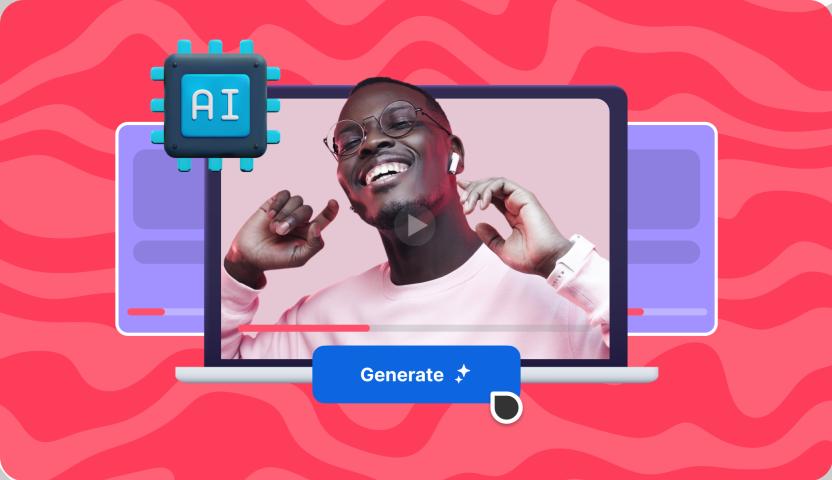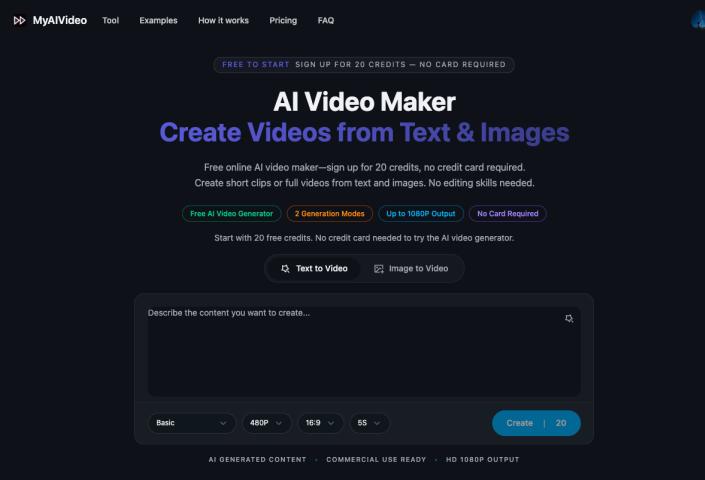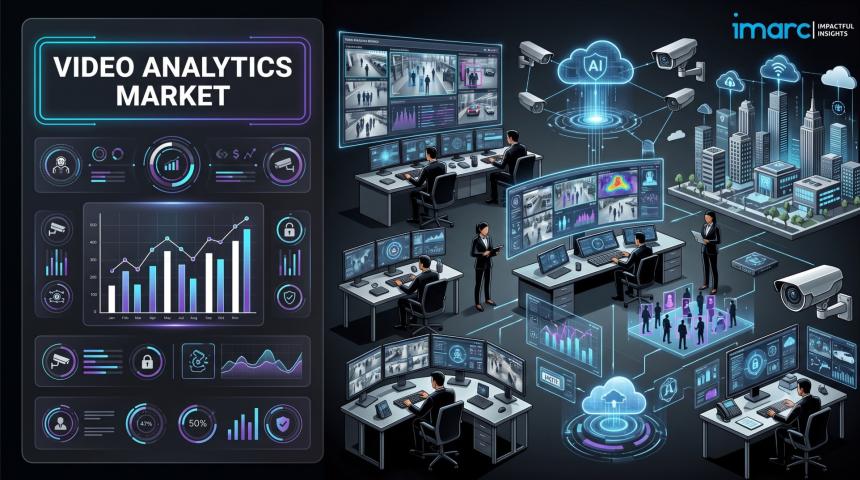
In an era where social media feeds overflow with content competing for attention, businesses and creators face a persistent challenge: capturing fleeting viewer interest on platforms like Facebook. Traditional video production often demands significant time, expertise, and financial resources, making it inaccessible for many small enterprises or independent marketers. Enter AI video generators—innovative tools that democratize high-quality video creation, enabling users to craft compelling social advertisements tailored specifically for Facebook's dynamic environment. These platforms leverage advanced artificial intelligence to transform text prompts, images, or scripts into polished videos, complete with visuals, voiceovers, music, and effects, all optimized for maximum engagement.
The Rise of Short-Form Video Advertising on Facebook
Facebook remains one of the most influential platforms for digital advertising, boasting billions of daily active users who scroll through personalized feeds filled with videos. Short-form content, typically ranging from 15 to 60 seconds, has emerged as the dominant format because it aligns with users' shrinking attention spans and mobile-first consumption habits. Advertisers who master this medium can achieve higher click-through rates, improved conversion metrics, and stronger brand recall compared to static images or lengthy promotions.
AI video generators address this demand by streamlining the entire production pipeline. Instead of hiring videographers, editors, and actors, marketers input simple descriptions—such as "a vibrant young couple enjoying coffee in a sunny café while discussing eco-friendly products"—and the AI produces a ready-to-post advertisement. This shift not only accelerates campaign launches but also allows for rapid iteration based on performance data from Facebook Ads Manager. Tools in this space analyze platform-specific best practices, including vertical video orientation for mobile viewing and integration of call-to-action overlays that encourage immediate responses like "Shop Now" or "Learn More."
How AI Video Generators Transform Ad Creation
At their core, these generators rely on sophisticated models trained on vast datasets of video footage, audio samples, and textual descriptions. Users begin by selecting a template or starting from scratch with a detailed prompt. The AI then generates scenes frame by frame, ensuring smooth transitions, realistic animations, and lip-synced voiceovers if narration is required. Many advanced systems incorporate text-to-speech capabilities with natural-sounding voices customizable by accent, gender, or tone to match brand identity.
For Facebook-specific ads, features like automatic captioning enhance accessibility and boost visibility in silent autoplay scenarios, a common user behavior on the platform. Some generators even suggest optimal posting times or A/B testing variations by creating multiple versions of the same ad with subtle differences in messaging or visuals. This level of customization empowers advertisers to target niche audiences—whether promoting local services in Phoenix, Arizona, or launching global e-commerce campaigns—while maintaining consistency across diverse demographics.
The technology behind these tools continues to evolve, incorporating generative adversarial networks and diffusion models that produce increasingly lifelike results. Early versions might have suffered from unnatural movements or mismatched audio, but contemporary AI video solutions deliver professional-grade output that rivals traditional studio productions, often at a fraction of the cost.
Key Features That Drive Engagement in Social Ads
Effective Facebook advertisements share common traits: emotional resonance, clear value propositions, and seamless integration with the platform's algorithmic preferences. AI video generators excel by embedding these elements directly into the creation process. For instance, many include libraries of trending music tracks licensed for commercial use, helping ads feel current and relatable without copyright complications.
Visual storytelling stands out as another critical component. AI can animate static product images into dynamic demonstrations, showcase customer testimonials through simulated interviews, or create before-and-after sequences that highlight transformation benefits. Integration with Facebook's ad formats—such as carousel videos or instant experience ads—further amplifies reach. Tools often provide analytics previews, estimating potential engagement based on historical data from similar campaigns.
Moreover, these generators support multilingual capabilities, allowing brands to localize content for international audiences without additional production overhead. A clothing retailer could generate one base video and adapt it with region-specific text overlays or voiceovers, ensuring cultural relevance that resonates deeply with viewers in different markets.
Selecting the Right AI Video Generator for Your Needs
Choosing an appropriate tool requires careful evaluation of several factors aligned with advertising goals. Budget-conscious users might prioritize free or freemium options that offer sufficient credits for testing, while enterprises seek scalable solutions with team collaboration features and enterprise-level security. Look for platforms that explicitly support Facebook export formats, including proper aspect ratios (9:16 for Stories or Reels->
User interface intuitiveness plays a vital role; the best generators minimize the learning curve with drag-and-drop functionality and prompt suggestions based on successful past campaigns. Advanced options incorporate brand kit uploads, ensuring consistent logos, colors, and fonts across all generated content. For those focused on performance, integration with Facebook Pixel or third-party analytics tools enables direct tracking of ad effectiveness from within the video creation dashboard.
It is equally important to assess output quality through trial generations. Request sample videos matching your industry—retail, real estate, or health services—and evaluate aspects like motion fluidity, audio clarity, and overall polish. Reputable tools also provide regular updates incorporating the latest AI advancements, safeguarding against obsolescence in a rapidly changing technological landscape.
Overcoming Common Challenges in AI-Generated Video Ads
While powerful, AI video generators are not without limitations that savvy marketers must navigate. One frequent issue involves maintaining authenticity; overly generic outputs can blend into the crowded feed, reducing differentiation. To counter this, refine prompts with specific details about brand voice, unique selling points, and target audience pain points. Incorporating real customer footage or proprietary images as reference material often yields more distinctive results.
Another consideration centers on platform compliance. Facebook maintains strict advertising policies regarding misleading claims, prohibited content, and data usage. AI tools that include built-in compliance checks or guideline reminders help prevent ad disapprovals that could delay campaigns. Additionally, intellectual property concerns arise when using generated elements; selecting providers with clear licensing terms for assets mitigates legal risks.
Performance optimization represents yet another hurdle. Not every generated video will perform equally well, necessitating ongoing testing. Marketers should leverage Facebook's split-testing features to compare AI-created variations against manually produced ones, refining approaches based on metrics such as view-through rates, engagement depth, and return on ad spend.
Strategic Implementation for Maximum Campaign Impact
Successful deployment of AI video generators extends beyond mere creation to encompass holistic campaign strategy. Begin by defining clear objectives—awareness, consideration, or conversion—and align video content accordingly. For top-of-funnel efforts, focus on entertaining narratives that spark curiosity; lower-funnel ads benefit from direct benefit demonstrations paired with strong calls to action.
Consistency across the customer journey enhances effectiveness. Use the same AI tool to generate complementary assets like thumbnail images or follow-up carousel posts that reinforce the primary video message. Monitor algorithm changes on Facebook, as preferences for content types evolve; tools that adapt prompts based on current trends maintain relevance.
Collaboration between marketing teams and AI capabilities yields superior outcomes. Human oversight ensures creative direction while the technology handles repetitive tasks like rendering multiple versions or applying effects. This hybrid approach maximizes efficiency without sacrificing the emotional intelligence that drives genuine connections with audiences.
Future Directions in AI-Powered Social Advertising
As artificial intelligence matures, the boundary between human and machine-generated content will continue to blur, opening new possibilities for hyper-personalized advertising. Imagine videos that dynamically adjust messaging based on viewer demographics or real-time trends detected by integrated data feeds. Enhanced realism through improved physics simulation and emotional expression modeling could elevate storytelling to unprecedented levels.
Ethical considerations will undoubtedly shape this evolution, with greater emphasis on transparency in disclosing AI-generated material and safeguards against deepfake misuse in advertising contexts. Platforms like Facebook may introduce dedicated tools or verification badges for AI-assisted content, fostering trust among users wary of manipulated media.
For businesses in competitive markets, adopting AI video generation represents not merely a convenience but a strategic imperative. Those who harness these tools effectively position themselves to outpace competitors still reliant on slower, costlier traditional methods. The ability to produce engaging, platform-optimized advertisements at scale empowers more inclusive participation in digital commerce, leveling the playing field for entrepreneurs and established brands alike.
Looking ahead, integration with augmented reality features and interactive video elements promises even greater immersion, transforming passive viewing into participatory experiences that strengthen brand loyalty. Marketers who stay attuned to these developments and continuously experiment with emerging capabilities will unlock sustained growth in their social advertising endeavors.