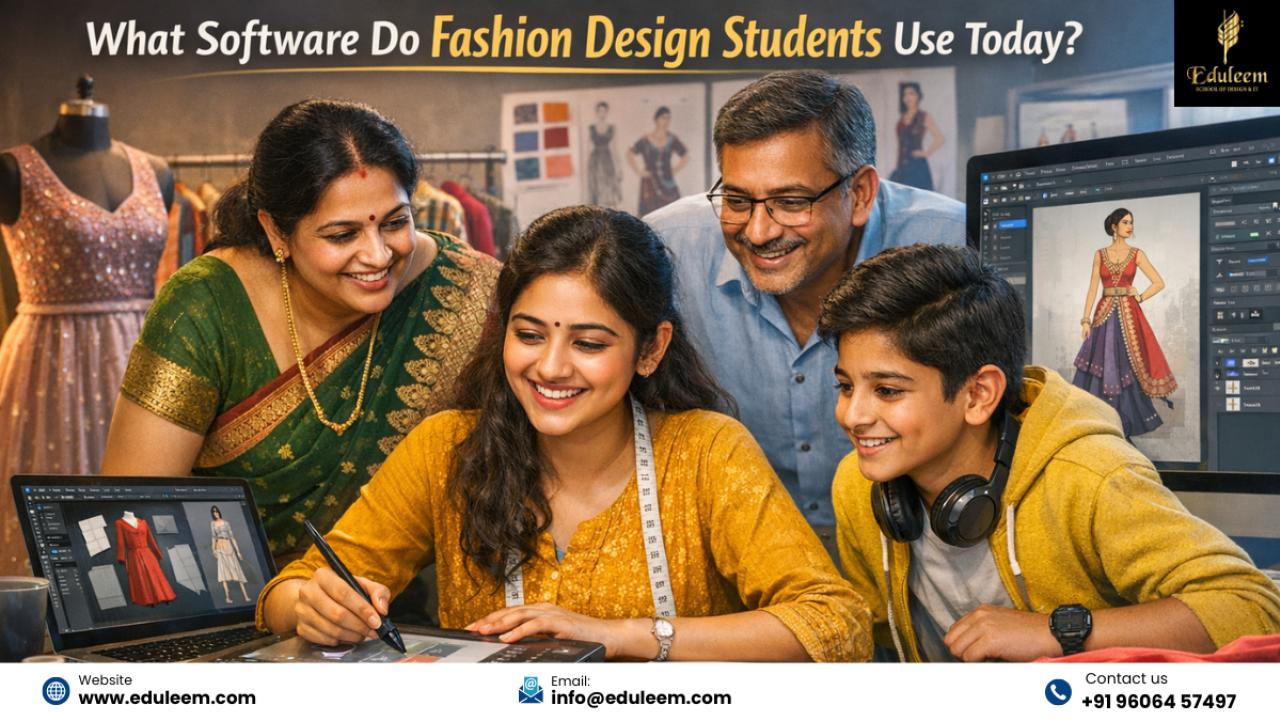
Fashion designing today is not limited to sketchbooks and fabrics. It has moved into a space where creativity meets technology. Students entering a fashion designing course Bangalore are now expected to understand both traditional design methods and modern software tools.
This shift has changed how fashion is created, presented, and sold. From digital sketches to virtual garments, software plays a major role in shaping a designer’s career. Understanding these tools early helps students stay relevant in the industry.
At the same time, many students hesitate to enter fashion design because they feel it is either too technical or too creative. The truth is, with the right training and guidance, both can be learned step by step.
Why Software Skills Matter in Fashion Design
Fashion is no longer just about ideas. It is about how effectively you can present and execute those ideas.
Why Software Is Important:
- Designers now present work digitally
- Fashion brands expect technical skills
- Online platforms require digital-ready designs
- Faster design creation and editing
- Better communication with clients and teams
A modern designer who understands software has a clear advantage.
Most Common Software Used in Fashion Design Today
Fashion design students learn a mix of creative and technical tools that help them bring their ideas to life.
1. Adobe Illustrator
This is one of the most widely used tools in fashion design.
What It Is Used For:
- Creating flat sketches
- Designing garment outlines
- Developing patterns and technical drawings
- Logo and branding design
It helps designers create clean and professional visuals.
2. Adobe Photoshop
Photoshop is used for enhancing and presenting designs.
Key Uses:
- Rendering fabric textures
- Editing fashion illustrations
- Creating mood boards
- Presentation design
It adds realism and detail to creative work.
3. CLO 3D (or Similar 3D Software)
3D design tools are becoming more important in fashion.
What You Can Do:
- Create virtual garments
- Visualize how clothes fit on models
- Experiment with fabrics digitally
- Reduce the need for physical samples
This technology is widely used in modern fashion companies.
4. CorelDRAW
Some designers use CorelDRAW for detailed design work.
Uses Include:
- Textile pattern creation
- Print design
- Layout and styling presentations
It is useful for both beginners and advanced learners.
5. CAD for Fashion Design
Computer-Aided Design tools are used for precision work.
What Students Learn:
- Pattern making digitally
- Garment construction planning
- Technical detailing
These tools help designers move from concept to production.
How Software Supports Creative Growth
Some students worry that using software will reduce creativity. In reality, it enhances it.
Benefits:
- Faster idea development
- Easy editing and improvements
- Better visualization
- Professional presentation
The more you practice, the more confident and creative you become.
Why Students Hesitate to Enter Fashion Design
Despite growing opportunities, many students hesitate to enter this field.
Common Reasons:
- Fear of not having drawing skills
- Confusion about career scope
- Lack of awareness about tools and learning process
- Doubts about income and stability
Most of these concerns come from lack of proper guidance.
Why Fashion Design Awareness Matters for Career Decisions
Career awareness helps students understand what the field truly offers.
When Students Are Aware:
- They understand the importance of both creativity and technology
- They know what skills to focus on
- They feel more confident about their decision
- They see real career opportunities
Fashion design is not limited to one role. It offers multiple career paths.
Career Growth and Demand for Fashion Designers in India
The fashion industry in India is growing rapidly.
Why Demand Is Increasing:
- Expansion of fashion brands and startups
- Growth of e-commerce platforms
- Rising interest in personal styling and branding
- Demand for unique and customized designs
Career Options:
- Fashion Designer
- Fashion Illustrator
- Textile Designer
- Fashion Stylist
- Merchandiser
- Entrepreneur
With the right skills, the earning potential also increases.
Why Eduleem School of Design & IT Is the Right Place to Learn
Understanding software is important, but learning it in the right environment matters even more.
Eduleem School of Design & IT focuses on building both creative and technical skills. As a trusted fashion design institute in Bangalore, it provides structured training that helps students grow step by step.
What You Learn in Eduleem’s 1-Year Fashion Design Program
Eduleem’s course is designed to cover both traditional and modern aspects of fashion.
Core Learning Areas:
- Fashion theory and design principles
- Colour understanding and styling basics
- Apparel categories and fashion concepts
Practical Skills Development:
- Freehand drawing and illustration
- Fabric rendering and texture creation
- Draping techniques and garment styling
- Pattern making for different categories
- Garment construction and stitching
Advanced Topics Covered
Eduleem ensures students move beyond basics and learn advanced industry skills.
Advanced Learning Includes:
- Surface design techniques and embroidery
- Fabric manipulation and textile design
- Computer-aided designing with digital tools
- Motif design and pattern repeats
- Colour harmony and design application
- Portfolio creation and final design collection
Students also work on a final garment project with complete presentation.
Digital Skills in the Course
Software training is integrated into the learning process.
Students Learn:
- Digital sketching
- Textile design repeats
- Fashion rendering
- Portfolio presentation
This helps students match industry expectations.
Who Can Join This Course?
Fashion design is open to anyone with interest and dedication.
Suitable for:
- Students after 10th or 12th
- Graduates exploring creative careers
- Working professionals planning a career shift
- Individuals restarting their career
Eduleem supports beginners and helps them build skills step by step.
Why Practical Learning Makes the Difference
Fashion design is not about memorizing concepts. It is about applying them.
A strong fashion design course focuses on:
- Hands-on training
- Real design projects
- Portfolio development
- Industry-relevant skills
This approach prepares students for real careers.
Final Thoughts
Fashion design today is a blend of creativity and technology. Software tools have become an essential part of the design process, helping students turn ideas into professional work.
With proper training and consistent practice, anyone can learn these tools and build a strong career. Eduleem provides the right environment where students learn, practice, and grow with confidence.
For those serious about building a future in fashion, a structured fashion design course can open doors to multiple opportunities and long-term growth.
Frequently Asked Questions
- What software do fashion design students use?
Students use tools like Adobe Illustrator, Photoshop, and CAD software. - Is software important in fashion design?
Yes, it helps in designing, editing, and presenting work professionally. - Can beginners learn fashion design software?
Yes, with proper training, beginners can learn step by step. - Does Eduleem teach fashion design software?
Yes, digital designing and software tools are included in the course. - Which is the best fashion design institute in Bangalore?
Eduleem School of Design & IT is one of the best institutes for practical fashion training.
For More Details
Visit: Eduleem — Fashion design course in bangalore
Website: www.eduleem.com
Email: info@eduleem.com
Contact: +91 96064 57497
Address: 150,First Floor,150 Feet Ring Road, Service Rd, HSR Layout 5th Sector, Bengaluru, Karnataka 560102