Every HR professional
knows payroll is one of the most stressful, detail-heavy functions in the
entire organization. At the same time, HR teams must balance
compliance, accuracy, timeliness, and employee satisfaction with limited time
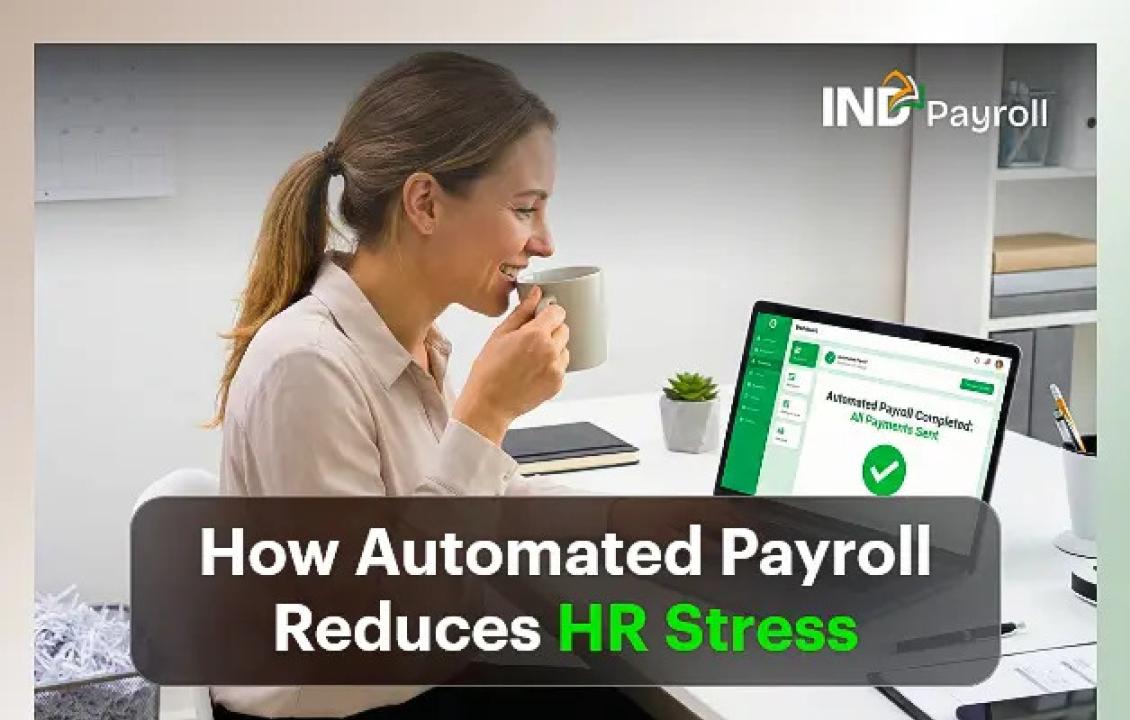
and resources. Fortunately, automated payroll reduces HR stress by eliminating
repetitive tasks, reducing errors, speeding up processes, and freeing HR
professionals to focus on strategic work.
In this comprehensive,
practical guide, you will learn how automation reduces HR stress, why it
matters, how to implement it, and how to maximize its impact across your
company.
What Is Automated
Payroll?
It is a
technology-driven process that calculates wages, taxes, deductions, and
benefits automatically using software.
Instead of manually
calculating hours, deductions, and tax rates, an automated payroll system pulls
data from time tracking tools, HR databases, and compliance libraries to
produce accurate payruns with minimal human intervention.
By design, automation
reduces HR stress, increases accuracy, and accelerates payroll cycles.
Why Payroll Causes
Stress in HR
Payroll creates stress
because it demands precision under tight deadlines. HR teams must:
- Calculate pay accurately: This requires tracking hours, overtime,
bonuses, leave, and commissions.
- Manage taxes and compliance: Tax rates change frequently, and noncompliance
carries penalties.
- Handle benefits and deductions: Health insurance, retirement
contributions, garnishments, and other deductions vary by employee.
- Report and document: Payroll reports feed into accounting,
audits, and internal planning.
- Respond to employee questions: Employees expect clarity, speed, and
transparency.
No wonder traditional
payroll processes overwhelm HR teams. This is where automated payroll reduces
HR stress dramatically.