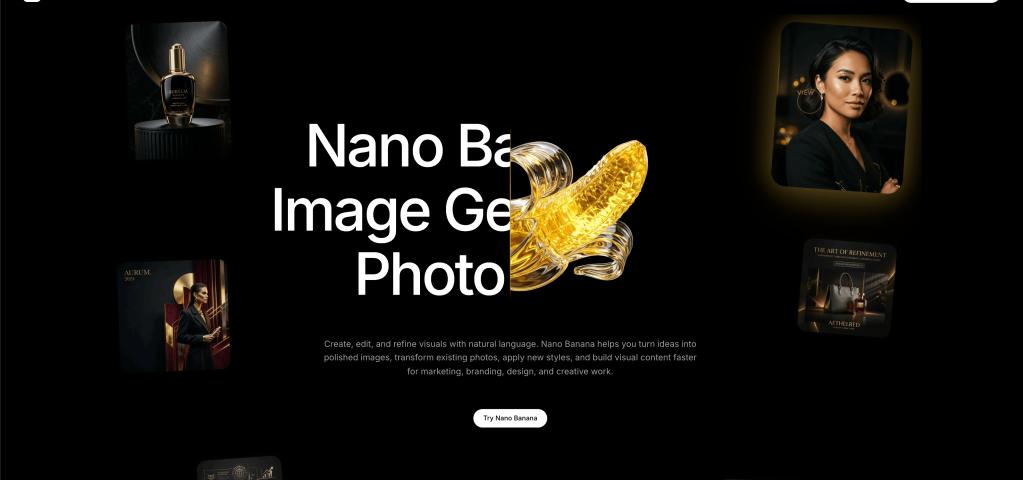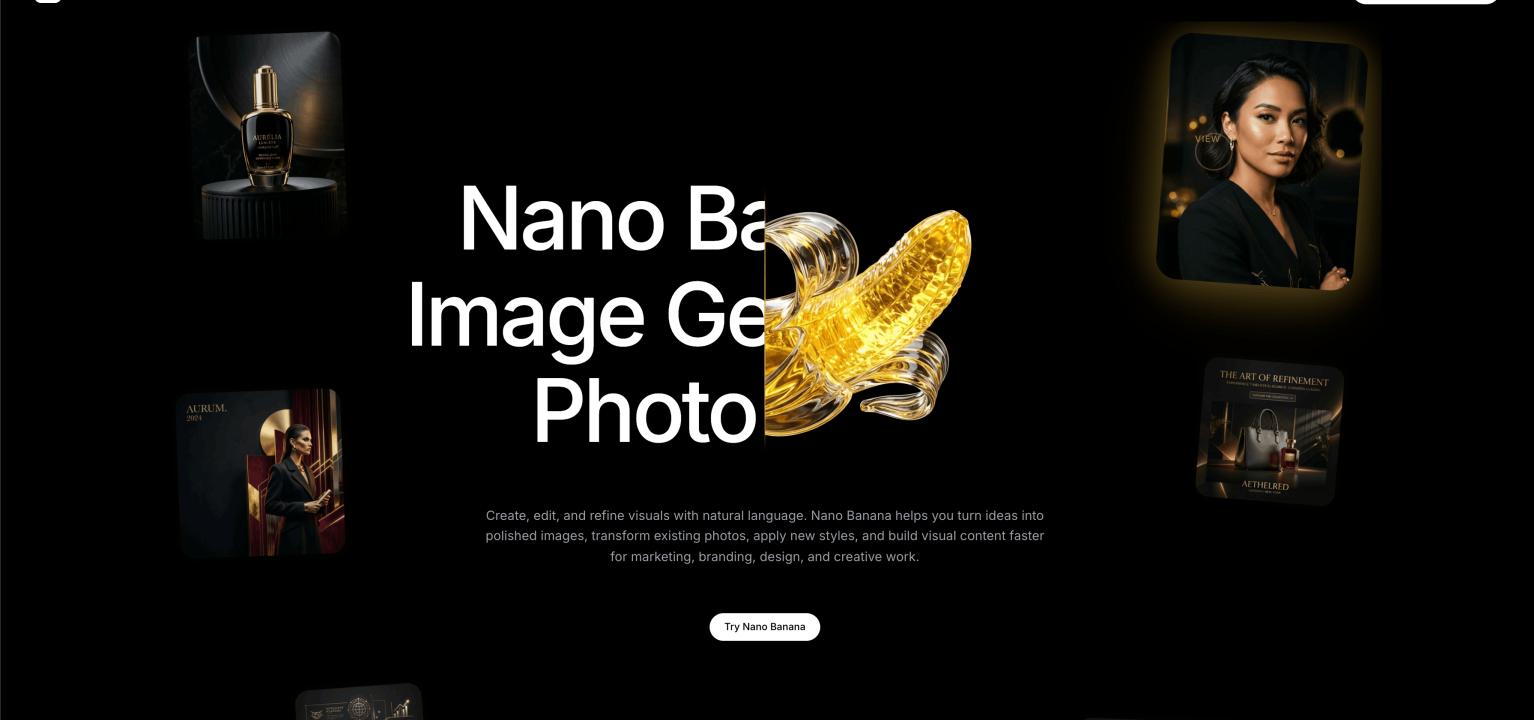
The Nano Banana AI ecosystem has changed the world of generative artificial intelligence in a big way. For years, the creative industry had trouble with AI models that were impressive but often didn't have the "artistic soul" and technical accuracy needed for professional-level work. Nano Banana AI was made to fill this gap by giving creators all over the world a set of tools that focus on realistic aesthetics, following prompts, and an easy-to-use workflow.
The Philosophy Behind Nano Banana AI
Nano Banana AI is more than just a pixel generator at its core. It is a reasoning engine that works in many ways. This means that the model doesn't just "guess" what an image should look like; it knows how objects, lighting, and composition relate to each other. Nano Banana AI doesn't just mix orange and blue pixels when you ask for a "dramatic sunset over a futuristic city." It figures out how light bends when it hits metal surfaces, how foggy a city is, and how heavy a movie's emotional weight is.
The Ecosystem's Technical Pillars
The core technological pillars of Nano Banana AI are what really set it apart:
Semantic Precision: The model understands natural language with an accuracy that has never been seen before. It knows the difference between "soft morning light" and "harsh neon glow" and uses them with perfect accuracy.
Multimodal Flexibility: The ecosystem makes it easy to move between ideas, whether you start with a text prompt or an existing reference image.
High-Fidelity Rendering: The base model is set up to give you sharp, clear images that are the best place to start any creative project, from social media graphics to rough film storyboards.
Questions that are often asked (FAQ)
What sets Nano Banana AI apart from other AI generators?
Nano Banana AI is different from traditional models because it doesn't make "hallucinated" textures or distorted faces. Instead, it focuses on realistic textures and logical scene structure. It puts the "physics" of the image first, making sure that shadows, reflections, and anatomy stay the same.
Can I also use Nano Banana AI to edit photos?
Yes. The ecosystem makes it possible to use advanced image-to-image workflows. You can upload a base image and then use natural language to add, remove, or change certain parts without ruining the whole picture.
Is it good for professional designers?
Of course. It is made to fit into a professional pipeline, so designers can quickly try out different ideas before moving on to high-resolution final renders.
Does Nano Banana AI work with different aspect ratios?
Yes, the model is very flexible and can handle ratios from standard 1:1 squares to cinematic 16:9 and even panoramic 21:9.
How does the engine deal with human anatomy?
The model has been trained on a variety of datasets to fix the "multi-finger" and "distorted limb" problems that older AI models often have. It can now create realistic human subjects with high anatomical accuracy.