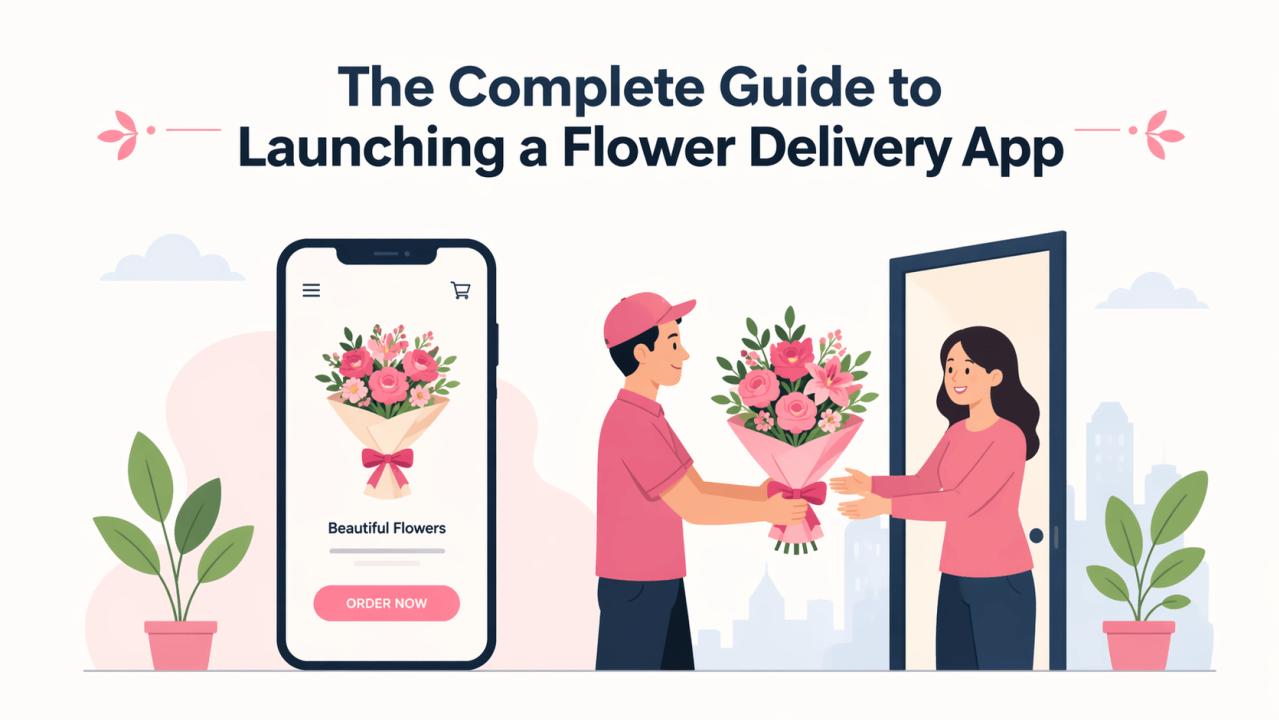
Launching a flower delivery app can be a rewarding venture in today's digital marketplace, where convenience and instant gratification drive consumer choices. As people seek meaningful ways to connect with loved ones, flower delivery services offer a unique opportunity to deliver joy and beauty right to their doorsteps. However, entering this competitive landscape requires a comprehensive understanding of market dynamics, the right technology, and effective marketing strategies. This complete guide will walk you through the essential steps to successfully launch and operate a flower delivery app, from identifying key features and designing a user-friendly interface to ensuring compliance and measuring success. Whether you're a budding entrepreneur or an established business looking to expand, this guide will provide you with the insights needed to thrive in the floral industry.
Understanding the Flower Delivery Market
Current Market Trends and Demographics
The flower delivery market is blooming (pun intended) with a surge in e-commerce demand, especially since the pandemic made us all a little more sentimental. Millennials and Gen Z are now embracing the art of gifting flowers, while the luxury segment is catering to those looking to impress. Eco-friendly flowers and sustainable practices are becoming the new normal, with consumers increasingly interested in where their blooms come from. Statistics show that online flower sales peaked in 2021, and while there may be fluctuations, the overall trend is leaning towards convenience over curbside pickup.
Competitor Analysis
Everyone from local florists to big names like FTD and 1-800-Flowers is getting in on the action, making it a colorful battlefield. Newer apps are focusing on niche markets or unique offerings, such as subscription services or custom arrangements. The key to success here is to understand what your competitors are doing right, and where their bouquets are wilting. Frequent usability tests, customer reviews, and a close eye on social media will help you outsmart the rest.
Identifying Target Customers
Your target customers are likely diverse, from romantics looking to impress on anniversaries to busy professionals who need a quick gift solution. Don't forget about corporate clients who might want to send flowers for events or employee recognition. The key is to segment your market: think about age, income level, gifting occasions, and buying habits. Creating personas for each segment can help you tailor your marketing strategies to attract the right crowd—because who wouldn't want to be the go-to source for all things floral?
Key Features of a Successful Flower Delivery App
User Registration and Authentication
A seamless user registration process is crucial. Users shouldn't have to jump through hoops like they're auditioning for a reality show. Options for social media login, email, or even guest checkout make it easy for them to start shopping quickly. Bonus points for creating a wish list feature that allows users to save their favorite arrangements for future reference!
Integrated Payment Solutions
Nobody likes fumbling around with their wallet or trying to remember their card details—especially when roses are time-sensitive! Offering a variety of payment options, like credit/debit cards, PayPal, and even contemporary solutions like Apple Pay or Google Pay, provides convenience. Security is non-negotiable here; make sure your payment gateway is fortified like Fort Knox.
Real-Time Order Tracking
Keep your customers in the loop! Real-time order tracking is like giving them a GPS for their flowers. From processing to delivery, users should feel like they’re part of the journey. Notify them when their bouquet is out for delivery, and don’t forget the classic “your delivery has arrived” alert. Everyone loves a little excitement, especially when someone is receiving their beautiful blooms!
Personalization and Customization Options
Let customers channel their inner florist! Providing options for personalized messages, custom arrangements, or even subscription plans can elevate the user experience. Creating a feature where users can select flower types, colors, and arrangements allows for a unique touch. The more personal the experience, the more likely customers will come back for more—because who doesn't love to feel special?
Choosing the Right Technology Stack
Frontend Technologies
The frontend is where the magic happens, so pick technologies that are both stunning and functional. HTML, CSS, and JavaScript are your trusty sidekicks here. Libraries and frameworks like React or Vue.js can help you create an interactive user experience that’s as fresh as a daisy. Don't forget about responsive design—users should enjoy your app on desktop and mobile without missing a petal!
Backend Technologies
For the backend, a strong foundation is essential. Consider using Node.js or Python with frameworks like Express or Django to handle requests efficiently. A reliable database like MongoDB or PostgreSQL will store your floral data with ease. Your backend should not only support the current needs of your app but be built to scale as your business grows—because who doesn’t want to handle a bouquet of orders during peak seasons?
Cloud Services and Hosting Options
When it comes to cloud services, platforms like AWS, Google Cloud, and Azure offer scalable solutions that can handle traffic spikes around holidays and special occasions. Consider using services like Firebase for real-time data synchronization. This ensures your app remains lightweight but heavy on features. Proper hosting keeps your app running smoothly; think about uptime, load speed, and security measures to shield your user data like a protective floral cocoon.
Designing an Intuitive User Experience
Wireframing and Prototyping
Start by sketching out your app’s layout before diving into the flashy stuff. Wireframing gives you a bird's-eye view of the app’s structure, helping you map out user flow and functionality without getting bogged down by colors and fonts. Once you have a wireframe that feels as fresh as a new bouquet, move on to prototyping using tools like Figma or Adobe XD. This phase allows you to test usability and gather feedback before your app’s grand debut.
User Interface Design Principles
Designing your user interface (UI) is like arranging a beautiful bouquet: balance, contrast, and emphasis are key. Use color schemes that resonate with your brand while ensuring text is readable (no neon green on white, please!). Prioritize intuitive navigation, and consider accessibility features to ensure everyone can enjoy your app. You want your users to feel as delighted using your app as they do when receiving flowers.
Mobile Responsiveness
With the majority of flower shopping happening on mobile devices, your app MUST be responsive. This means it should adapt to different screen sizes and orientations without losing its charm. Test your app across various devices to ensure a smooth experience, because nobody wants to squint at tiny flower arrangements. A responsive design not only improves user satisfaction but also boosts your app’s search engine rankings—two birds with one floral arrangement!
Developing a Robust Delivery Management System
Logistics and Route Optimization
In the world of flower delivery, timing is everything. To ensure that roses arrive fresh and lilies don’t wilt, implementing a robust logistics system is key. Use algorithms to optimize delivery routes, minimizing travel time and gas costs. Incorporating real-time traffic data can also save your drivers from the dreaded “stuck-in-traffic” scenario. Think of it like a GPS for flowers—no one wants to send a bouquet stuffed in the back of a delivery van longer than necessary!
Driver and Fleet Management
Your delivery personnel are the unsung heroes of your flower empire. Equipping them with mobile apps that provide updates, delivery instructions, and a way to communicate easily can transform them from mere drivers into flower ninjas. Additionally, keeping tabs on your fleet through GPS tracking allows you to monitor vehicle conditions and performance, ensuring that your trucks (and the delicate blooms inside) are always in tip-top shape.
Communication Tools for Delivery Personnel
Clear communication is like the water to your flower garden—it’s essential for growth. Integrate real-time messaging features in your delivery management system so drivers can report issues or delays instantly. Additionally, consider providing a channel for drivers to receive feedback from customers. Trust us, happy drivers will lead to happy customers—and that means fewer wilted petals and more glowing reviews!
Marketing Your Flower Delivery App
Building a Brand Identity
Your brand is like the vase that holds your flowers—it needs to stand out and be sturdy enough to hold everything together. Start by defining what makes your flower delivery service unique—be it eco-friendly practices, same-day delivery, or quirky bouquets. Develop a memorable logo, catchy tagline, and color scheme that makes customers say, “Whoa, I want to be part of that!” Remember, first impressions matter, especially when competing in a bouquet-filled marketplace.
Digital Marketing Strategies
In today’s digital age, marketing your flower delivery app without an online presence is like sending flowers without water—just not going to work! Harness the power of social media platforms to showcase your blooms with stunning visuals, promotions, and user-generated content. Email marketing can also nurture relationships with customers, reminding them of anniversaries or holidays when flowers are a must. And don’t forget about SEO—because ranking high on Google is like getting the front row at a concert.
Partnerships and Collaborations
Forming partnerships can be a match made in floral heaven! Collaborate with local businesses, event planners, or wedding venues to reach new customers. Consider cross-promotions where you can offer discounts for each other's services. Who doesn’t love a bouquet discount when booking a wedding? Additionally, teaming up with influencers can spread the word faster than a bee pollinating flowers—just make sure they fit with your brand identity!
Ensuring Compliance and Legal Considerations
Data Protection and Privacy Laws
In the world of apps, data is the new gold. Protecting your users’ personal information is not just a good practice—it's law! Familiarize yourself with data protection regulations, such as GDPR or CCPA, to ensure you’re compliant. Don’t let your app become the “bad apple” that mismanages user data. Implement strong encryption methods and clear privacy policies to build trust and keep those flowers blooming!
Licenses and Permits
Before launching your app, make sure you have all the necessary licenses and permits in place. This can vary by location, but it’s essential to check local regulations regarding delivery services, business licenses, and possibly even special permits for transporting live goods. Being compliant not only saves you from potential fines but also gives your business credibility—a bouquet of respect, if you will.
Terms of Service and User Agreements
Drafting clear Terms of Service and User Agreements is like giving your customers a map before they enter the flower garden—no one likes surprises! Detail what users can expect, how their data will be handled, and what happens if they decide to cancel an order. This transparency can foster a sense of security, making customers more likely to choose your service over others. Plus, it saves you from any potential legal entanglements down the road.
Metrics for Measuring Success and Growth
User Acquisition and Retention Rates
Tracking how many new users download your app each month and how many come back for repeat orders is crucial. High acquisition numbers with low retention? That’s like planting seeds but never watching them bloom! Use insightful analytics to understand what keeps users coming back for more—be it quality, pricing, or user experience—and adjust your strategies accordingly.
Revenue Metrics and Profitability
Keep your eyes on the prize—aka your revenue. Regularly assess your sales, average order value, and profit margins. Are you bringing in enough dough to keep the flowers fresh and the app running? Analyze which bouquets are bestsellers and which need a little extra attention. A little bit of financial pruning can lead to a more robust growth strategy!
Customer Feedback and Satisfaction Levels
The voice of the customer is like a gentle breeze on a hot summer day—refreshing and essential for growth. Collect feedback through surveys, reviews, and ratings to gauge satisfaction levels. Pay attention to any recurring hiccups or delightful surprises your customers mention. This nurturing approach will not only improve your service but also create a loyal community of flower lovers who return to your app time and time again.In conclusion, launching a flower delivery app is an exciting opportunity that blends creativity with technology, offering a meaningful service to customers. By understanding the market, implementing essential features, and employing effective marketing strategies, you can establish a successful business in this flourishing industry. Remember to continuously adapt to customer needs and industry trends to ensure long-term growth and satisfaction. With the right approach, your flower delivery app can become a cherished resource for spreading joy and celebration in every community.
Frequently Asked Questions
What are the essential features of a flower delivery app?
The essential features of a flower delivery app include user registration and authentication, integrated payment solutions, real-time order tracking, personalization options, and a robust delivery management system.
How can I market my flower delivery app effectively?
You can market your flower delivery app effectively by building a strong brand identity, utilizing digital marketing strategies such as social media advertising and search engine optimization, and forming partnerships with local florists or event planners.
What technology stack should I choose for my app?
The technology stack for your flower delivery app should include suitable frontend technologies (like React or Flutter), backend technologies (such as Node.js or Ruby on Rails), and reliable cloud services for hosting and data storage.
How do I ensure compliance with legal regulations?
To ensure compliance with legal regulations, familiarize yourself with data protection and privacy laws, obtain necessary licenses and permits, and create clear terms of service and user agreements for your app.