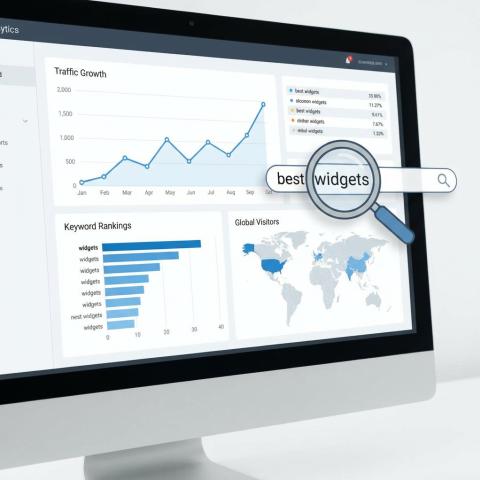
The rise of Over-the-Top (OTT) platforms has completely transformed how audiences consume content. From video streaming to live broadcasting, OTT services have become a dominant force in the digital ecosystem. However, in such a competitive landscape, simply launching a streaming platform is not enough businesses need OTT analytics to understand users, optimize performance, and drive growth.
What is OTT Analytics?
OTT analytics refers to the collection, measurement, and analysis of data generated by users interacting with streaming platforms. This includes everything from viewing behavior and engagement metrics to technical performance and monetization insights.
By leveraging OTT analytics for businesses can make informed decisions that improve user experience, increase retention, and maximize revenue.
Why OTT Analytics Matters for Businesses
1. Understanding Viewer Behavior
OTT analytics provides deep insights into how users interact with content:
- What content they watch
- How long they watch
- When they drop off
This helps businesses identify popular content and refine their content strategy accordingly.
2. Personalized User Experience
Data-driven personalization is key to OTT success. Analytics enables:
- Content recommendations based on viewing history
- Customized home screens
- Targeted notifications
Personalization improves user satisfaction and keeps audiences engaged longer.
3. Improving Content Strategy
With analytics, businesses can:
- Identify top-performing genres and formats
- Understand regional content preferences
- Decide what content to produce or license
This reduces guesswork and ensures better ROI on content investments.
4. Enhancing User Retention
Churn is a major challenge for OTT platforms. Analytics helps detect:
- When users are likely to leave
- What causes disengagement
Businesses can then take proactive steps like offering discounts, recommending relevant content, or improving UX.
5. Optimizing Monetization Models
OTT platforms rely on multiple revenue models:
- Subscription-based (SVOD)
- Ad-supported (AVOD)
- Transactional (TVOD)
Analytics helps determine which model works best and how to optimize pricing, ad placements, and conversions.
6. Monitoring Technical Performance
User experience is heavily influenced by streaming quality. OTT analytics tracks:
- Buffering issues
- Playback errors
- Device performance
This allows businesses to fix issues quickly and deliver seamless streaming.
Key OTT Analytics Metrics to Track
Engagement Metrics
- Watch time
- Session duration
- Completion rates
User Metrics
- Active users (DAU/MAU)
- User retention rate
- Churn rate
Content Metrics
- Most-watched content
- Genre popularity
- Viewer drop-off points
Revenue Metrics
- Average Revenue Per User (ARPU)
- Subscription growth
- Ad performance
Performance Metrics
- Video start time
- Buffering ratio
- Error rates
Types of OTT Analytics
1. Descriptive Analytics
Provides insights into what has already happened (e.g., total views, watch time).
2. Predictive Analytics
Uses historical data to forecast future trends like user churn or content success.
3. Prescriptive Analytics
Suggests actionable strategies based on data insights, such as improving recommendations or pricing.
Benefits of OTT Analytics for Businesses
- Data-driven decision making
- Improved customer experience
- Higher engagement and retention
- Better content ROI
- Enhanced monetization strategies
Challenges in OTT Analytics
While OTT analytics offers significant advantages, businesses may face challenges such as:
- Handling large volumes of data
- Ensuring data privacy and compliance
- Integrating analytics tools with existing systems
- Interpreting complex data effectively
Future of OTT Analytics
The future of OTT analytics lies in advanced technologies like:
- Artificial Intelligence (AI) for smarter recommendations
- Machine Learning (ML) for predictive insights
- Real-time analytics for instant decision-making
As competition intensifies, businesses that leverage advanced analytics will gain a significant edge in delivering superior user experiences.
Conclusion
OTT analytics is no longer optional it is a critical component of success in the streaming industry. By understanding user behavior, optimizing content strategies, and improving platform performance, businesses can unlock new growth opportunities and stay ahead of the competition.
Investing in robust OTT analytics solutions empowers businesses to transform raw data into actionable insights, ensuring long-term success in the ever-evolving digital entertainment landscape.