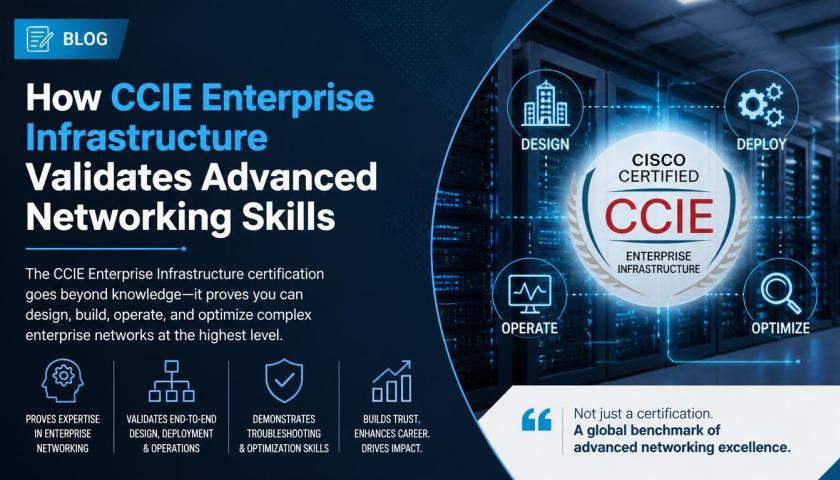
Securing enterprise networks is no longer optional—it is a critical requirement in today’s threat-driven digital landscape. As organizations expand their infrastructure, the need for robust security at every layer becomes essential. For professionals preparing for expert-level certifications, understanding infrastructure security is a key component of success.
Many learners begin their journey by enrolling in a CCIE Enterprise Infrastructure Course in Bangalore, where they gain hands-on exposure to real-world security scenarios. This practical approach helps bridge the gap between theoretical knowledge and enterprise-level implementation.
What is infrastructure security in CCIE Enterprise?
Infrastructure security refers to protecting network devices, control planes, data planes, and management planes from unauthorized access, attacks, and misconfigurations. In CCIE Enterprise networks, security is deeply integrated into routing, switching, and automation.
The goal is not just to configure devices but to ensure the entire network ecosystem is resilient, secure, and highly available.
Key Components of Infrastructure Security
1. Device Hardening
One of the first steps in securing a network is hardening devices such as routers and switches.
Best Practices Include:
Disabling unused ports and services
Securing management access (SSH over Telnet)
Implementing strong passwords and AAA (Authentication, Authorization, Accounting)
Keeping software updated
Device hardening reduces the attack surface and prevents unauthorized access.
2. Control Plane Protection (CoPP)
The control plane is responsible for routing decisions. If attacked, it can disrupt the entire network.
Key Concepts:
Filtering unnecessary traffic to the CPU
Rate-limiting control plane traffic
Protecting routing protocols like OSPF and BGP
In CCIE scenarios, you may be required to configure CoPP policies to defend against DoS attacks.
3. Data Plane Security
The data plane handles actual packet forwarding. Securing it ensures that only legitimate traffic flows through the network.
Common Techniques:
Access Control Lists (ACLs)
Port security
DHCP snooping
Dynamic ARP Inspection (DAI)
These features help prevent spoofing, unauthorized access, and traffic manipulation.
4. Management Plane Security
The management plane allows administrators to configure and monitor devices. If compromised, attackers gain full control.
Security Measures:
Use secure protocols like SSH, SNMPv3, and HTTPS
Restrict access using ACLs
Implement role-based access control (RBAC)
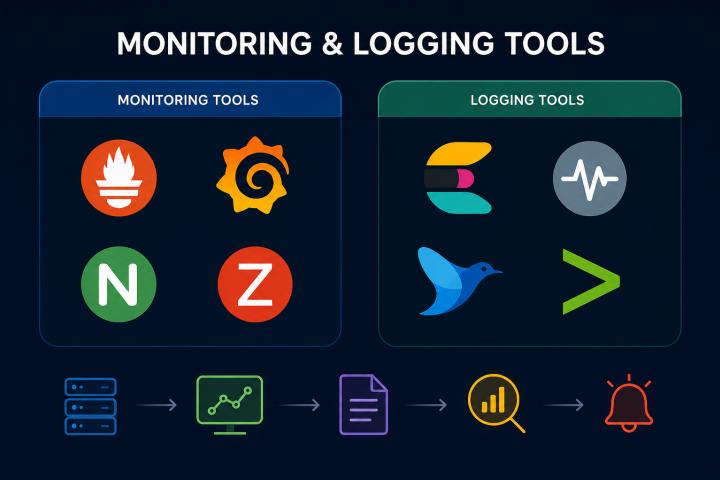
Enable logging and monitoring
Identity and Access Control
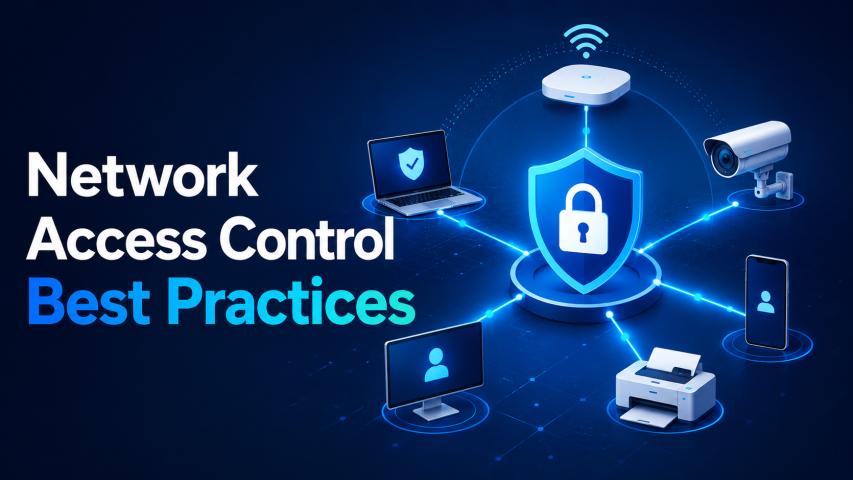
AAA plays a vital role in infrastructure security. It ensures that only authorized users can access network devices.
Key Elements:
Authentication: Verifying user identity
Authorization: Granting access rights
Accounting: Tracking user activities
Protocols like RADIUS and TACACS+ are commonly used in enterprise networks.
Secure Routing Protocols
Routing protocols must be secured to prevent attacks such as route injection or spoofing.
OSPF Security
Use authentication (MD5 or SHA)
Restrict adjacency formation
BGP Security
Implement prefix filtering
Use route maps and maximum prefix limits
EIGRP Security
Enable authentication
Verify neighbor relationships
Securing these protocols ensures stable and trustworthy routing operations.
Network Segmentation and Zero Trust
Modern enterprise networks rely on segmentation to limit the spread of threats.
Approaches Include:
VLAN segmentation
Virtual Routing and Forwarding (VRF)
Software-Defined Access (SD-Access)
The Zero Trust model assumes that no device or user is trusted by default, even داخل the network. This approach enhances security by enforcing strict verification.
Threat Detection and Mitigation
Security is not just about prevention—it also involves detection and response.
Tools and Techniques:
Intrusion Prevention Systems (IPS)
NetFlow and telemetry
Security Information and Event Management (SIEM)
These tools help identify suspicious activity and respond quickly to threats.
Automation in Network Security
Automation is becoming a major part of CCIE enterprise networks.
Benefits:
Faster configuration deployment
Reduced human error
Consistent security policies
Using tools like Python and APIs, network engineers can automate security checks and configurations.
Real-World Scenario
Consider a large enterprise with multiple branch offices. The network uses:
OSPF in the core
EIGRP in branches
VPN tunnels for connectivity
To secure this setup:
Implement authentication on routing protocols
Use ACLs to restrict traffic
Apply CoPP to protect the control plane
Monitor traffic using telemetry tools
This type of scenario is commonly tested in CCIE labs and reflects real-world environments.
Importance of Hands-On Training
Theoretical knowledge alone is not enough for mastering infrastructure security. Hands-on practice is essential to understand how different security mechanisms interact.
Many professionals opt for CCIE Enterprise Infrastructure training in Bangalore to gain access to lab environments, expert guidance, and real-time troubleshooting experience. This structured learning approach helps build confidence for both exams and real-world challenges.
conclusion
Infrastructure security is a fundamental pillar of CCIE enterprise networks. From device hardening to advanced threat detection, every layer of the network must be secured to ensure reliability and performance.
As cyber threats continue to evolve, network professionals must stay updated with the latest security practices and technologies. Continuous learning and hands-on experience are key to staying ahead.
In conclusion, mastering infrastructure security through a well-structured CCIE Enterprise Infrastructure course in Bangalore and consistent lab practice will not only help you succeed in the CCIE exam but also prepare you for real-world enterprise networking challenges.