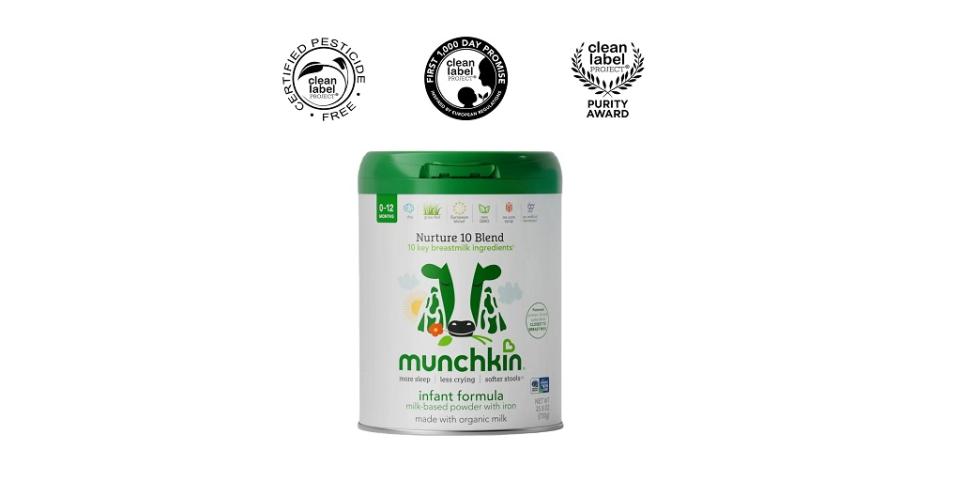
Parents don’t just want a hundred baby formula options anymore, they just want clarity. That’s where organic infant formula starts to matter, especially when labels begin to look the same, but quality doesn’t.
The shift toward organic baby milk isn’t random. Families are paying closer attention to sourcing, ingredient quality, and how closely a formula mirrors what babies naturally need. And when you start comparing premium blends to standard ones, the difference becomes harder to ignore.
Organic Infant Formula Isn’t Just A Label; It’s A Formulation Decision
Not all formulas are built the same, even if they sit side by side on a shelf. A true organic baby formula starts with sourcing, and that alone changes everything downstream.
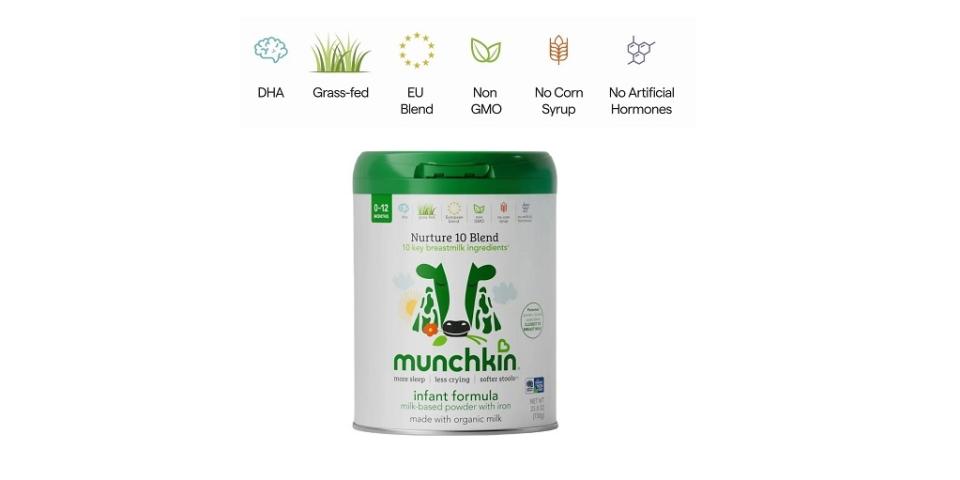
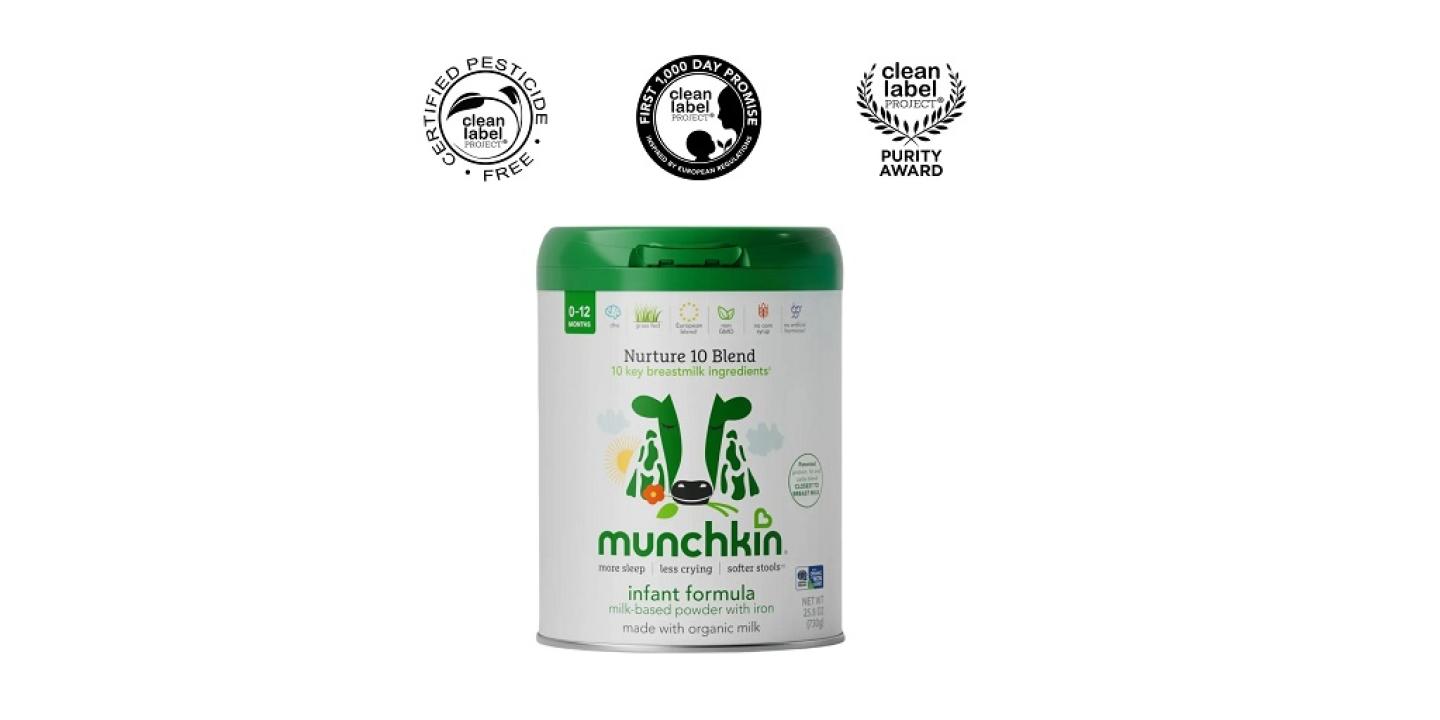
In this case, the use of USDA organic milk from grass-fed New Zealand cows already sets a higher baseline. That’s paired with a European organic infant formula approach, which tends to follow stricter ingredient standards and avoids unnecessary fillers.
Some formulas rely on shortcuts like corn syrup solids or artificial additives. A non-GMO infant formula avoids that entirely, focusing instead on clean, traceable inputs. That matters more than most people realize, especially for digestion and long-term tolerance.
Midway through any comparison, what stands out is how the organic formula ingredients are structured. It’s not just what’s included, but how those components work together. This is where premium formulations begin to separate themselves from standard ones.
What Makes The Best Organic Infant Formula Feel Closer To Breastmilk
The goal has always been simple. Get as close as possible to breastmilk without replicating it exactly. That’s where advanced blends come in.
A strong organic formula doesn’t just list nutrients. It builds around them. In this case, a patented blend of proteins, fats, and carbohydrates includes components like alpha lactalbumin and lactoferrin, both known to support digestion and immune function.
Then you see elements like beta palmitate, which plays a role in softer stools and better calcium absorption. Add DHA and ARA into the mix, and now you’re looking at support for brain and visual development, not just basic nutrition. This is where the real health benefits organic formula discussion begins. It’s not about adding more ingredients. It’s about using the right ones in the right ratios.
Midway through evaluating options, parents often notice how a natural infant formula with this type of structure tends to support better tolerance. Less fussiness, fewer digestive issues, and more consistent feeding patterns start to emerge.
Premium Vs Standard Formula Is A Bigger Gap Than Most Expect
On paper, most formulas check the same boxes. Calories, vitamins, minerals. It all looks complete. But that’s surface level.
The real difference shows up in how babies respond. Clinical findings tied to this formulation point to less crying, fewer gastrointestinal issues, and more comfortable digestion compared to standard cow’s milk-based formulas.
That’s where organic baby milk built with intention stands apart. It doesn’t just meet nutritional requirements. It supports how babies actually process and use those nutrients.
A USDA organic formula with a European->
Midway through real-world use, many parents start to see the difference. Feeding becomes smoother. Sleep patterns feel more stable. And that’s usually when the value of a well-built organic baby formula becomes obvious.
Choosing An Organic Infant Formula Comes Down To What You Prioritize
At some point, every parent has to decide what matters most. Convenience, cost, or composition.
For those leaning toward ingredient quality and long-term benefits, a non-GMO infant formula with a breastmilk-inspired structure starts to make more sense. Especially when it avoids unnecessary fillers and focuses on functional nutrients.
A well-designed natural infant formula doesn’t try to do everything. It focuses on doing the important things better. Clean sourcing, thoughtful formulation, and proven tolerance.
That’s usually what separates a decent option from a dependable one.
In the end, choosing a high-quality infant formula isn’t about following trends. It’s about giving your baby a stronger nutritional start, and for parents looking for breastmilk-inspired nutrition, Munchkin’s approach to organic infant formula is worth a closer look.