Understanding how the Regional
Transport Office (RTO) functions is essential for every vehicle owner in India.
From registering a new vehicle to issuing driving licenses and managing road
tax, the RTO is the backbone of the country’s transport regulation system.
In 2026, RTO services have
become more streamlined and digital, making it easier for citizens to access
vehicle-related services. However, many people still find the system complex.
This guide explains how RTO works in India in a simple, structured, and
expert-driven manner.
What
is RTO in India?
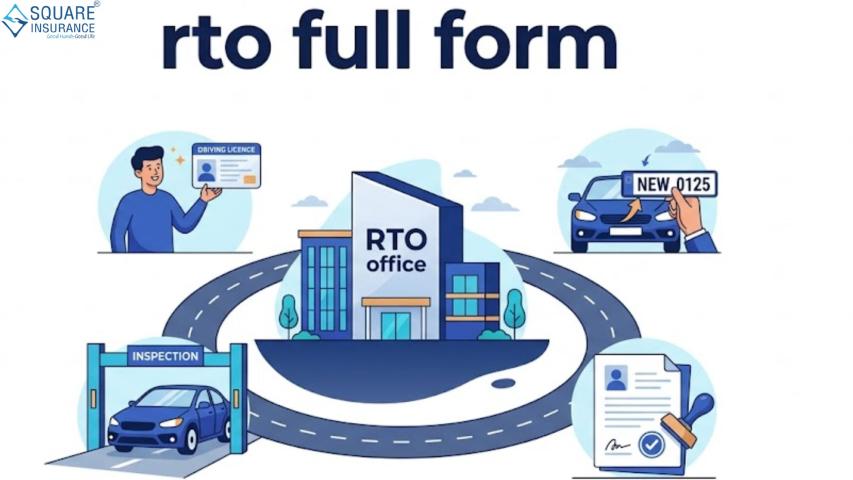
The Regional Transport Office (RTO)
is a government body responsible for regulating all transport-related
activities in India. It operates under the framework of the Motor Vehicles Act
1988 and functions under state transport departments across the country.
Each state and union territory has
multiple RTO offices that handle local transport administration.
For example:
- Maharashtra RTO (MH series)
- Delhi RTO (DL series)
- Madhya Pradesh RTO (MP series)
Key
Functions of RTO in India
The RTO plays a wide range of roles
that ensure smooth transport operations and road safety.
1.
Vehicle Registration
Every new vehicle must be registered
with the RTO before it can be legally driven on Indian roads.
2.
Driving License Issuance
RTO issues learner’s licenses,
permanent licenses, and commercial driving permits.
3.
Road Tax Collection
Road tax is collected based on
vehicle type, cost, and usage.
4.
Vehicle Fitness Certification
Ensures commercial vehicles meet
safety and emission standards.
5.
Pollution Control
Monitors vehicle emissions through
PUC certification.
6.
Ownership Transfer
Manages transfer of ownership for
used vehicles.
How
RTO Works Step-by-Step
Understanding the workflow of RTO
helps vehicle owners navigate processes easily.
Step
1: Application Submission
Users submit applications for
services such as registration, license, or transfer either online or offline.
Step
2: Document Verification
RTO officials verify submitted
documents such as identity proof, address proof, and vehicle purchase invoice.
Step
3: Fee Payment
Applicable fees and taxes are paid
based on the service requested.
Step
4: Inspection (If Required)
Vehicles may undergo physical
inspection for fitness or registration validation.
Step
5: Approval and Issuance
Once verified, the RTO issues
documents like registration certificate (RC) or driving license.
RTO
Services for Vehicle Owners
1.
Vehicle Registration
New vehicles must be registered
before being used on roads. The RTO assigns a unique registration number.
2.
Driving License Services
Includes:
- Learner’s license
- Permanent license
- International driving permit
3.
Road Tax Payment
Mandatory tax paid during
registration or ownership transfer.
4.
Hypothecation Services
Applicable for vehicles purchased on
loan.
5.
Insurance Verification
Ensures vehicles comply with
mandatory insurance regulations.
Digital
Transformation of RTO Services
In recent years, RTO services have
become increasingly digital. The Transport Department India has introduced
online portals to reduce paperwork and improve transparency.
Online
Services Include:
- Vehicle registration status check
- Driving license application
- Road tax payment
- PUC verification
- Ownership transfer
- Appointment booking
This digital shift has significantly
reduced waiting times and manual errors.
How
Vehicle Registration Works at RTO
Vehicle registration is one of the
most important functions of RTO.
Process:
- Purchase vehicle from dealer
- Submit documents to RTO
- Pay registration fee and road tax
- Vehicle inspection (if required)
- Receive Registration Certificate (RC)
- Get number plate issued
The registration number identifies
the vehicle legally on Indian roads.
Driving
License Process in RTO
Step
1: Learner’s License
Applicants must pass a basic
knowledge test.
Step
2: Practice Period
Learners must practice driving for a
minimum duration.
Step
3: Driving Test
Conducted by RTO officials to
evaluate driving skills.
Step
4: Permanent License
Issued after successful test
completion.
Road
Tax System in India
Road tax is a major revenue source
for state governments and is used for infrastructure development.
Factors
Affecting Road Tax:
- Vehicle price
- Engine capacity
- Fuel type
- State policies
Higher-end vehicles attract higher
tax rates.
Importance
of RTO for Vehicle Owners
RTO ensures:
- Legal compliance of vehicles
- Road safety enforcement
- Environmental regulation
- Proper documentation of ownership
- Traffic law enforcement
Without RTO, vehicle regulation
would not be structured or legally enforceable.
Common
Challenges in RTO Processes
1.
Documentation Errors
Incorrect or incomplete documents
can delay approvals.
2.
Long Waiting Times
High demand may lead to delays in
processing.
3.
Lack of Awareness
Many users are unaware of required
procedures.
4.
Technical Issues
Online systems may face occasional
downtime.
Expert
Tips for Smooth RTO Experience
- Always verify documents before submission
- Use official online portals only
- Keep digital copies of RC and license
- Renew documents before expiry
- Check vehicle details before purchase
These practices help avoid delays
and legal issues.
Future
of RTO in India
RTO systems are evolving rapidly
with technology:
- AI-based driving tests
- Fully digital vehicle registration
- Automated number plate recognition
- Integrated insurance and tax systems
- Faster approval processes
This transformation is improving
efficiency and reducing manual dependency.
Connection
Between RTO and Insurance
RTO data plays a critical role in
motor insurance:
- Helps verify vehicle authenticity
- Ensures accurate policy issuance
- Assists in claim validation
- Confirms ownership during accidents
Without proper RTO records,
insurance processing becomes difficult.
Conclusion
The RTO is a vital part of India’s
transport system, ensuring proper regulation of vehicles, drivers, and road
safety measures. From registration to licensing and tax collection, every
vehicle owner interacts with RTO services at some point.
As India moves towards digital
governance, RTO processes are becoming faster and more transparent. However,
understanding how the system works is still essential for smooth vehicle
ownership.
Along with RTO compliance, having
proper insurance coverage is equally important. Square Insurance
provides comprehensive motor insurance solutions that protect your vehicle
against accidents, theft, and unexpected risks—ensuring complete financial
security for every journey.
FAQ
1.
What is RTO in India?
RTO is the Regional Transport Office
responsible for vehicle and driver regulation.
2.
Is vehicle registration mandatory in RTO?
Yes, every vehicle must be
registered before use.
3.
Can RTO services be accessed online?
Yes, most services are available
online in 2026.
4.
What is the role of RTO in driving licenses?
RTO issues learner’s and permanent
driving licenses.
5.
What documents are required at RTO?
Identity proof, address proof,
vehicle invoice, and insurance.
6.
Why is road tax collected by RTO?
It funds road infrastructure and
maintenance.