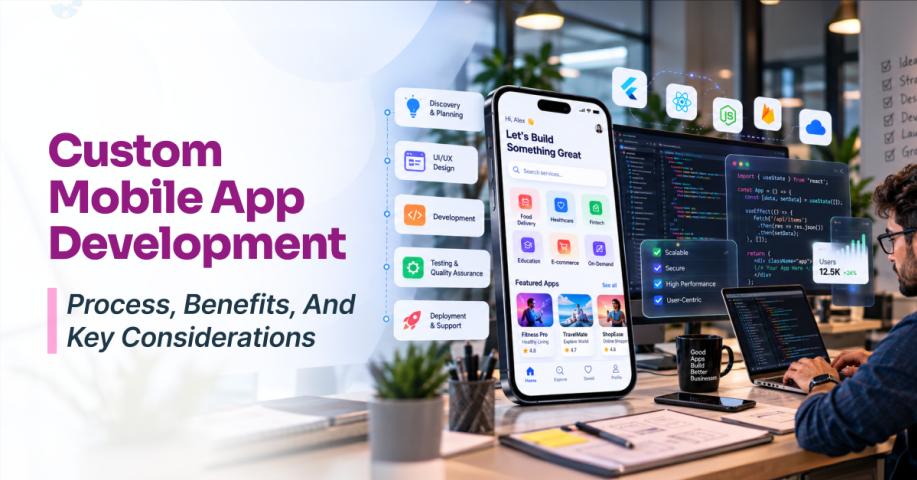
In today’s hyper-connected digital economy, mobile applications are no longer optional—they are foundational to how businesses engage customers, streamline operations, and drive growth. From startups to global enterprises, organizations are leveraging mobile technology to deliver seamless user experiences, collect valuable data insights, and stay competitive in rapidly evolving markets.
However, building a successful mobile app requires far more than just coding. It demands a deep understanding of user behavior, platform nuances, scalability, security, and long-term business alignment. For decision-makers, the challenge lies not just in developing an app—but in developing the right app.
This article explores the critical considerations, common pitfalls, and proven strategies for building impactful mobile applications that deliver measurable business value.
Understanding the Business Case for Mobile Applications
Mobile apps offer a direct, personalized communication channel with users. Unlike web platforms, apps provide persistent presence on a user’s device, enabling brands to stay relevant and accessible.
Key Business Benefits
-
Enhanced Customer Engagement
Push notifications, personalized content, and in-app experiences foster stronger relationships. -
Operational Efficiency
Apps can automate workflows, reduce manual intervention, and improve internal processes. -
Data-Driven Decision Making
Real-time analytics enable businesses to understand user behavior and optimize strategies. -
Revenue Growth Opportunities
Through subscriptions, in-app purchases, or service integrations, apps unlock new revenue streams.
Despite these advantages, many organizations fail to realize the full potential of mobile apps due to poor planning or execution.
Common Challenges in Mobile App Development
Before diving into development, it’s crucial to recognize the challenges that often derail projects.
Misaligned Objectives
Many apps fail because they are built without a clear business goal. Whether it’s increasing customer retention or improving operational workflows, the objective must guide every decision.
Poor User Experience (UX)
A cluttered interface or confusing navigation can quickly drive users away. UX is not just design—it’s the entire journey from onboarding to retention.
Platform Fragmentation
Choosing between iOS, Android, or cross-platform development introduces complexity. Each platform has unique requirements, performance expectations, and user behaviors.
Scalability Concerns
An app that works well for 1,000 users may fail at 100,000. Without scalable architecture, growth becomes a liability rather than an asset.
Security Risks
With increasing cyber threats, mobile apps must prioritize data protection, secure authentication, and compliance with regulations.
Defining a Clear Development Strategy
A successful mobile app starts with a well-defined strategy that aligns technology with business goals.
Identify the Core Problem
Start by answering a simple question: What problem does this app solve? The clearer the answer, the more focused your development process will be.
Define Your Target Audience
Understanding your users’ needs, preferences, and pain points is essential. Create detailed user personas to guide design and functionality decisions.
Choose the Right Development Approach
There are three primary approaches:
-
Native Apps (iOS or Android-specific)
Best for performance and platform-specific features. -
Cross-Platform Apps
Faster development using frameworks like Flutter or React Native. -
Progressive Web Apps (PWAs)
Web-based apps with mobile-like functionality.
Each approach has trade-offs in cost, performance, and scalability.
Prioritize Features with MVP Thinking
Avoid building everything at once. Start with a Minimum Viable Product (MVP) that delivers core value, then iterate based on user feedback.
The Role of Technology Stack in App Success
Your choice of technology stack directly impacts performance, scalability, and maintenance.
Frontend Technologies
The user interface must be responsive, intuitive, and fast. Technologies should support smooth animations, real-time updates, and offline capabilities.
Backend Infrastructure
A robust backend ensures data processing, user authentication, and integration with third-party services. Cloud-based solutions often provide flexibility and scalability.
API Integrations
Modern apps rely heavily on APIs for payment gateways, location services, analytics, and more. Choosing reliable integrations is critical.
DevOps and CI/CD
Continuous integration and deployment pipelines enable faster updates, bug fixes, and feature releases without disrupting user experience.
How to Choose the Right Development Partner
Selecting a development partner is one of the most critical decisions in your app journey. The wrong choice can lead to delays, cost overruns, and subpar results.
What to Look For
-
Technical Expertise
Ensure the team has experience with your chosen platforms and technologies. -
Industry Experience
Familiarity with your sector can accelerate development and reduce risks. -
Transparent Communication
Regular updates, clear timelines, and collaborative workflows are essential. -
Post-Launch Support
Maintenance, updates, and scaling require ongoing partnership.
When evaluating vendors, many organizations seek out the best mobile app development services to ensure quality, scalability, and long-term success.
Designing for User-Centric Experiences
User experience is the defining factor between an app that succeeds and one that fails.
Simplicity is Key
Avoid overwhelming users with too many features. Focus on intuitive navigation and clear calls to action.
Performance Optimization
Users expect apps to load in seconds. Slow performance leads to high abandonment rates.
Personalization
Tailoring content and recommendations based on user behavior increases engagement and retention.
Accessibility
Ensure your app is usable by people with diverse abilities. Accessibility is not just ethical—it expands your user base.
Security and Compliance Considerations
With increasing data breaches and privacy concerns, security must be embedded from the ground up.
Data Encryption
Protect sensitive data both in transit and at rest using strong encryption protocols.
Secure Authentication
Implement multi-factor authentication and biometric options where appropriate.
Regulatory Compliance
Depending on your region and industry, compliance with regulations like GDPR or HIPAA may be mandatory.
Regular Security Audits
Continuous testing and monitoring help identify vulnerabilities before they become threats.
Scaling Your Mobile App for Growth
Growth brings new challenges. A scalable app architecture ensures you can handle increased demand without compromising performance.
Cloud-Based Infrastructure
Cloud platforms allow dynamic scaling based on user demand, reducing downtime and improving reliability.
Microservices Architecture
Breaking down the app into smaller services improves flexibility and makes updates easier.
Load Testing
Simulating high traffic scenarios helps identify bottlenecks before they impact users.
Monitoring and Analytics
Real-time monitoring tools provide insights into performance, crashes, and user behavior.
Measuring Success: Key Metrics to Track
Launching an app is just the beginning. Continuous improvement depends on tracking the right metrics.
User Acquisition
How many users are downloading and installing your app?
Engagement Rates
How often and how long are users interacting with your app?
Retention Rates
Are users returning after their first visit?
Conversion Rates
Are users completing desired actions such as purchases or sign-ups?
Customer Lifetime Value (CLV)
Understanding long-term value helps justify investment and guide strategy.
Future Trends in Mobile App Development
Staying ahead of trends ensures your app remains relevant and competitive.
Artificial Intelligence and Machine Learning
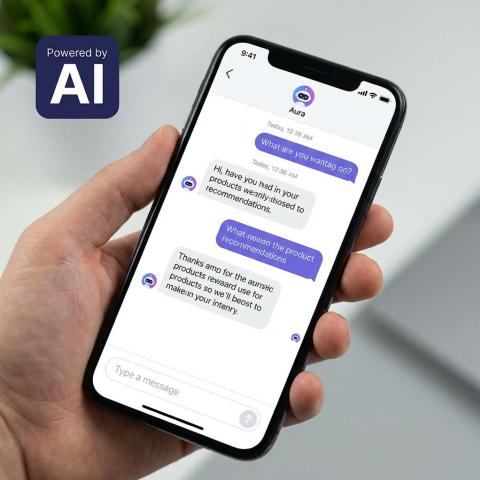
AI-powered features like chatbots, recommendations, and predictive analytics are becoming standard.
Internet of Things (IoT)
Apps increasingly connect with smart devices, creating new use cases and opportunities.
Augmented Reality (AR)
AR enhances user experiences in industries like retail, real estate, and healthcare.
5G Technology
Faster connectivity enables richer, more immersive app experiences.
Low-Code and No-Code Platforms
These tools are accelerating development but still require strategic oversight for complex applications.
Conclusion
Mobile applications have evolved into powerful business tools that drive engagement, efficiency, and innovation. However, success requires more than technical execution—it demands strategic clarity, user-centric design, robust security, and a scalable foundation.
For business leaders and technology decision-makers, the focus should not be on simply building an app, but on building a solution that aligns with long-term goals and delivers measurable impact. By addressing common challenges, choosing the right development approach, and continuously optimizing performance, organizations can unlock the full potential of mobile technology.
In a landscape where user expectations continue to rise, those who invest thoughtfully in mobile app development will be best positioned to lead, adapt, and grow.