IMARC Group’s “Low-Density Polyethylene Manufacturing Plant Project Report 2026: Industry Trends, Plant Setup, Machinery, Raw Materials, Investment Opportunities, Cost and Revenue” report provides a comprehensive guide on low-density polyethylene manufacturing plant setup cost. The report offers clarifications on various aspects, such as unit operations, raw material requirements, utility supply, infrastructural needs, machinery models, labour necessities, transportation timelines, packaging costs, etc.
In addition to the operational aspects, the report also provides in-depth insights into low-density polyethylene manufacturing process, project economics, encompassing vital aspects such as capital investments, project funding, operating expenses, income and expenditure projections, fixed and variable costs, direct and indirect expenses, expected ROI, net present value (NPV), profit and loss account, and thorough financial analysis, among other crucial metrics. With this comprehensive roadmap, entrepreneurs and stakeholders can make informed decisions and venture into a successful low-density polyethylene manufacturing unit.
What is Low-Density Polyethylene?
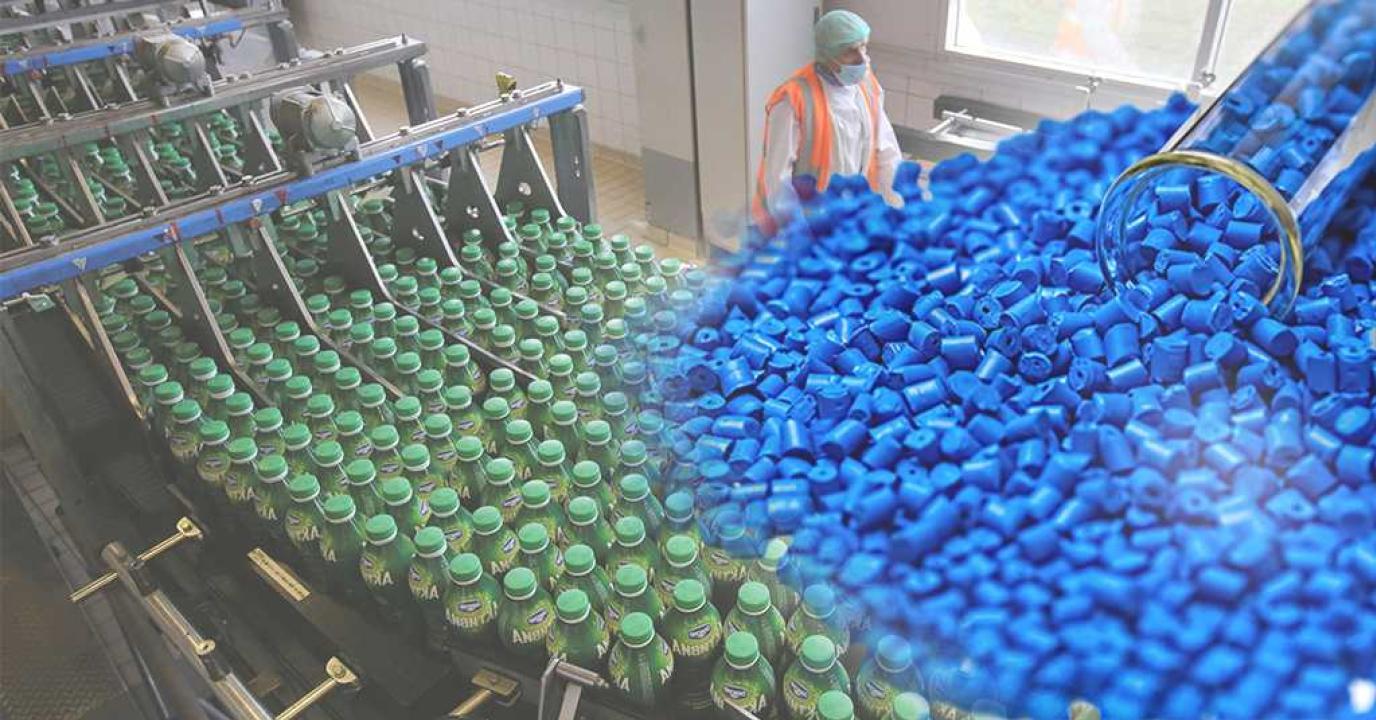
Low-Density Polyethylene (LDPE) is a widely used thermoplastic polymer made from the polymerization of ethylene monomers under high pressure. It is characterized by its low density, high flexibility, and excellent resistance to moisture, chemicals, and impact. Due to its branched molecular structure, LDPE has weaker intermolecular forces, making it softer and more pliable compared to other polyethylene types like HDPE. It is commonly used in the production of plastic bags, films, squeeze bottles, containers, tubing, and packaging materials. LDPE also offers good electrical insulating properties and is relatively lightweight, making it suitable for various industrial and consumer applications. Its ease of processing, recyclability, and cost-effectiveness further contribute to its widespread adoption across industries such as packaging, agriculture, construction, and healthcare, where durability and flexibility are essential.
Low-Density Polyethylene Plant Cost Analysis
The cost structure of a low-density polyethylene (LDPE) manufacturing plant is heavily influenced by raw material prices, utility consumption, and process efficiency. Ethylene serves as the primary feedstock in LDPE production and represents the largest share of operational expenditure due to its direct impact on polymer manufacturing costs. According to industry estimates, raw materials account for nearly 70–80% of the total operating expenses (OpEx) of an LDPE plant, making feedstock procurement and price stability critical for profitability. In addition, utilities such as electricity, steam, cooling water, and process heating contribute approximately 15–20% of the total OpEx, particularly in high-pressure polymerization systems that require continuous energy-intensive operations. Other cost components include labor, maintenance, packaging, logistics, and environmental compliance expenses.
Request a Sample Report: https://www.imarcgroup.com/low-density-polyethylene-manufacturing-plant-project-report/requestsample
Capital Investment and Operating Expenditure Analysis for Low-Density Polyethylene Manufacturing Plant
The financial structure of a low-density polyethylene (LDPE) manufacturing plant is primarily divided into capital investment (CapEx) and operating expenditure (OpEx), both of which play a critical role in determining overall project feasibility and long-term profitability. A well-planned investment strategy helps ensure smooth plant operations, efficient production capacity, and sustainable business growth.
Capital Investment (CapEx)
Machinery and equipment costs constitute the largest share of the total capital expenditure for an LDPE manufacturing plant. Major investments are required for polymerization reactors, extrusion systems, cooling units, storage tanks, utility systems, and automated process control equipment. In addition, land acquisition and site development expenses—including land registration charges, civil construction, boundary development, drainage systems, and infrastructure setup—represent a substantial portion of the overall project investment. These expenditures establish the foundation for safe, compliant, and efficient plant operations.
Operating Expenditure (OpEx)
During the first year of operations, the plant’s operating expenditure is expected to be significant due to costs associated with raw materials, utilities, labor, depreciation, taxes, packaging, transportation, repairs, and maintenance activities. By the fifth year, the total operational cost is projected to increase considerably because of inflationary pressures, fluctuations in raw material prices, energy cost volatility, and changing market conditions.
Ask Analyst for Customized Report: https://www.imarcgroup.com/request?type=report&id=22813&flag=C
How IMARC Can Help?
IMARC Group is a global management consulting firm that helps the world’s most ambitious changemakers to create a lasting impact. The company provide a comprehensive suite of market entry and expansion services. IMARC offerings include thorough market assessment, feasibility studies, company incorporation assistance, factory setup support, regulatory approvals and licensing navigation, branding, marketing and sales strategies, competitive landscape and benchmarking analyses, pricing and cost research, and procurement research.
Services:
- Plant Setup
- Factoring Auditing
- Regulatory Approvals, and Licensing
- Company Incorporation
- Incubation Services
- Recruitment Services
- Marketing and Sales
Contact Us:
IMARC Group
134 N 4th St. Brooklyn, NY 11249, USA
Email: sales@imarcgroup.com
Tel No:(D) +91 120 433 0800
United States: (+1-201971-6302)