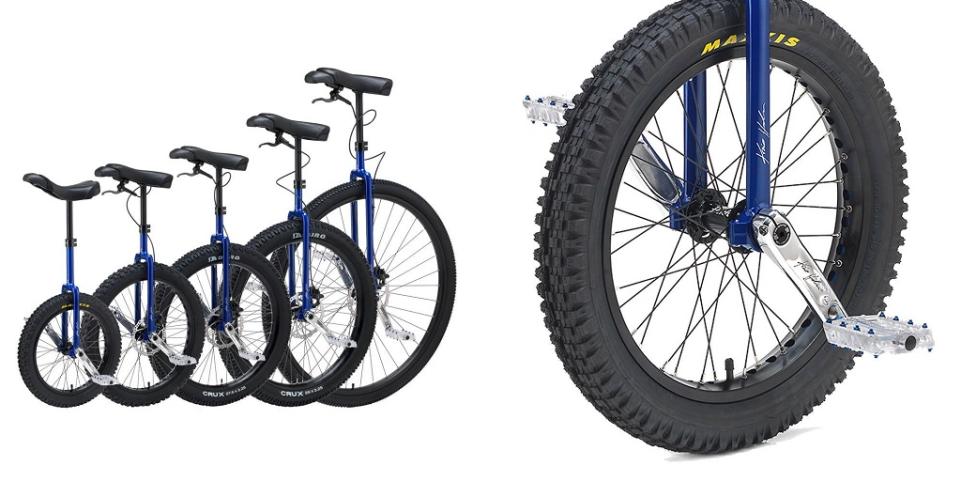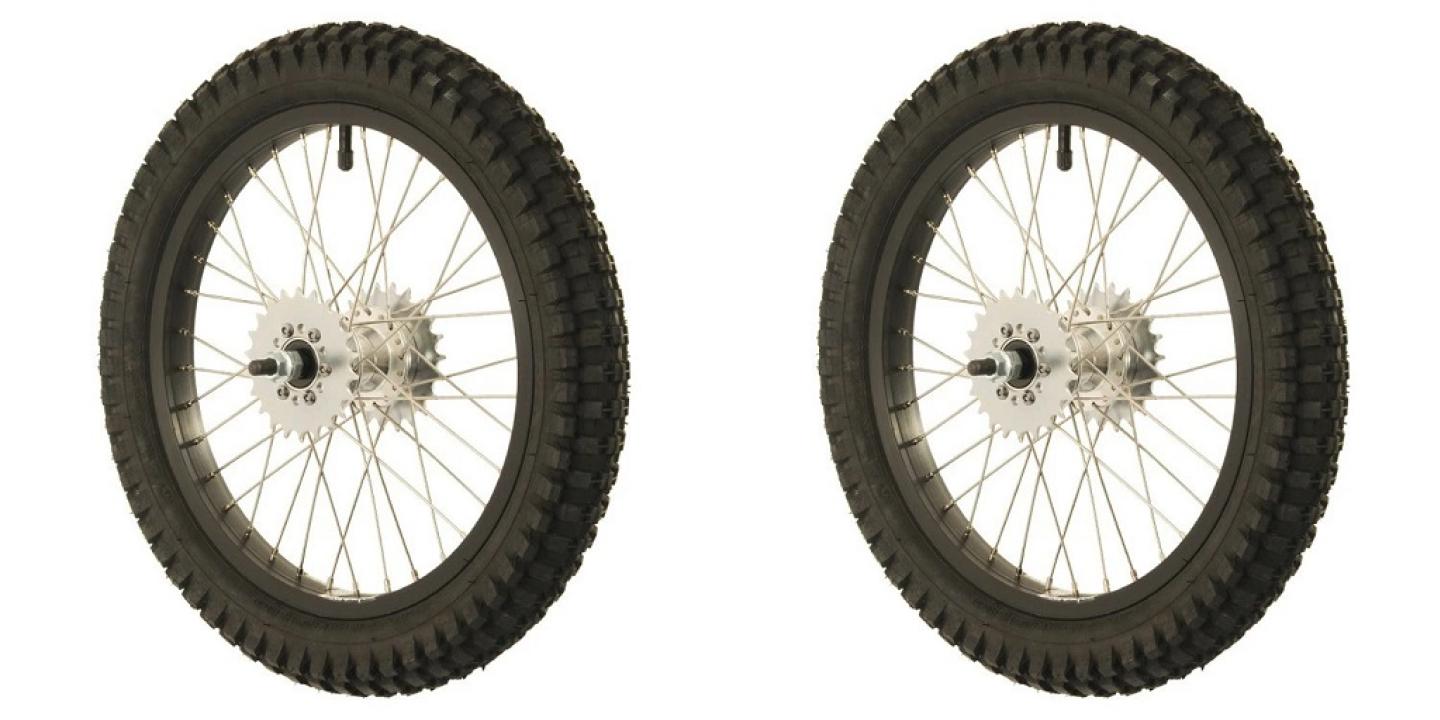
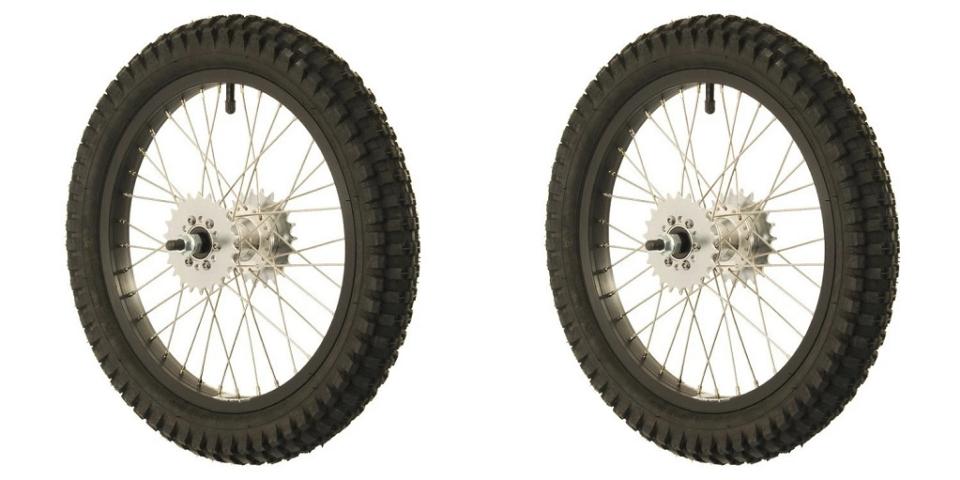
From diminutive 16 inch models to 32 inch tires, there is a wide range of options in bike wheel and tire sizes. This short post will offer you a snapshot into what you need to know.
16 Inch
This is one of the smallest commercially available bike wheel sizes, and while they are mostly found on kid’s bikes, they can sometimes be found on compact adult bikes as well. The tradeoff in size entails a sacrifice in ride quality; 16 inch wheels do not offer a smooth ride and do not respond well to obstacles.
20 Inch
This is the standard bike wheel size for BMX bikes as well as compact, folding bikes. They’re maneuverable and agile, but still affected by the issues of small wheels, and will not respond well to rocks, dips, and other aberrations in the riding surface.
24 Inch
This is a very uncommon bike wheel size but it can be found on some BMX bikes and small mountain bikes. They handle very much 20 inch wheels.
26 Inch
This was once a standard on street bikes, a long time ago, but it has found its niche amount mountain bike riders and is now a staple size in that corner of the sport. Many mountain bikes are made with 26 inch wheels because they are small enough to offer a good deal of maneuverability, but large enough that they are more forgiving of obstacles than other, smaller wheels.
27.5 Inch
Today, 27.5 inch wheels are common on mountain bikes, and they offer a fairly solid balance of attributes as far as performance is concerned. They are more forgiving of obstacles and a rough riding surface, and the larger size offers a larger contact patch for greater traction. A bike with 27.5 inch tires will also carry more rotational momentum, making it less taxing to keep the bike going at speed.
29 Inch
Like 27.5 inch bike wheels, 29 inch wheels are also fairly common on mountain bikes. They enhance the virtues of the 27.5 inch wheel, namely forgiveness on rough trails, the ability to roll over obstacles, and a larger contact patch, at the expense of maneuverability. Some riders, however, find that the tradeoffs in turn radius and agility are not worth it and prefer 27.5 inch wheels.
32 Inch Tires
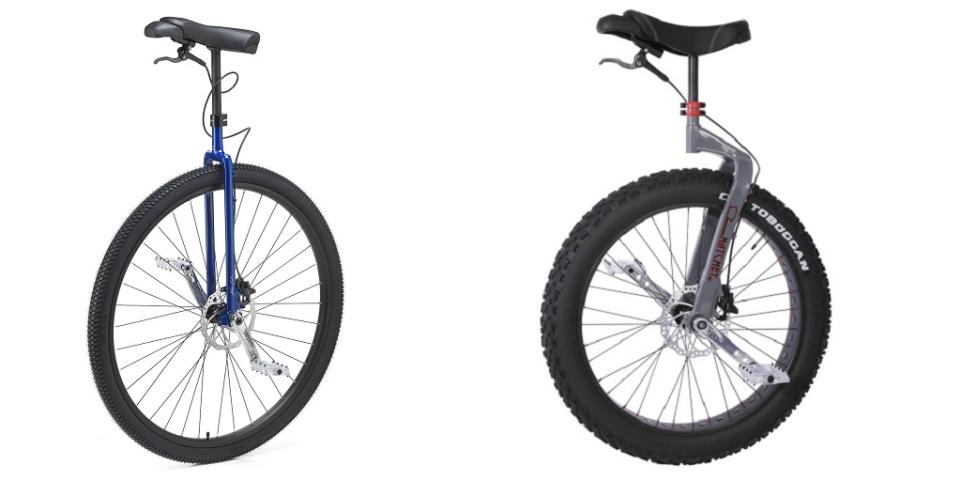
The 32 inch tire is not really common on most bikes, but custom options with 32 inch tires are not unheard of. This size is a bit large for trail riding, but on a commuter bike, it can be a good size because the wheel size is forgiving of obstacles and carries a lot more rotational momentum than a 29 inch tire, making 32 inch tires not only faster but also less fatiguing on the rider.
36 Inch Tires
The 36 inch tire does what the 32 inch does in terms of speed and rotational momentum, and does it better. As a result, a bike with 36 inch tires will offer a smooth ride and carry momentum for fast sailing. The tradeoff is big, though, and 36 inch tires require a wide turn radius and are nowhere near as maneuverable as smaller wheels.
For Bike Wheels and Tires
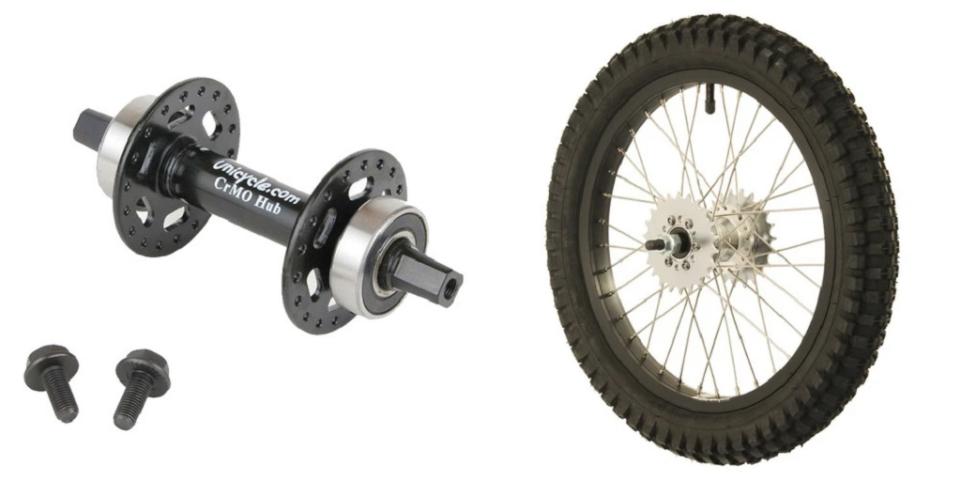
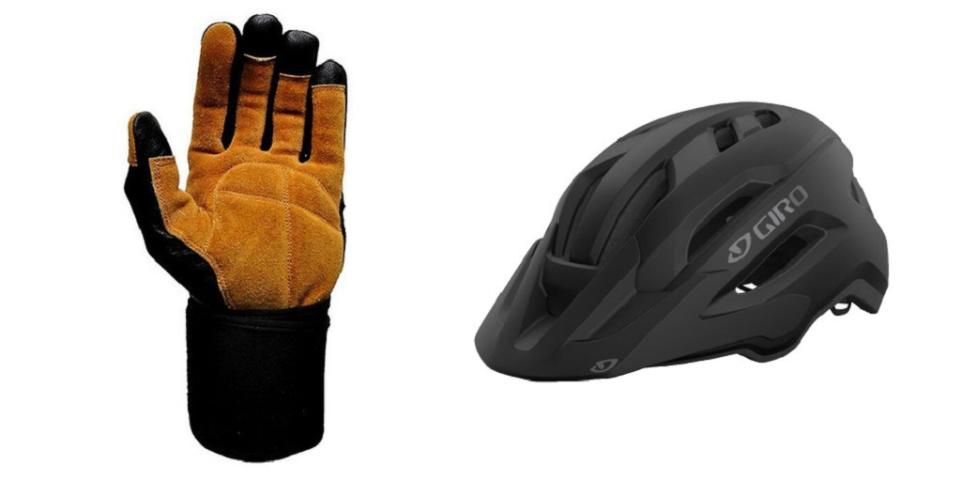
Whether you’re here for bike wheels, tires, parts, or more information, visit Unicycle.com. Don’t let the name turn you, while they are the authority in all things related to unicycles and odd bikes, they also carry a lot of bike parts and safety gear as well. This includes bike wheels, tires, and other components. Visit their website for more information or get in touch with them today.
For more information about 32 Inch Tires and Square Taper Crank Please visit: Unicycle.com.