Have you ever looked at your monthly bills and thought, "There has to be a better way"? Many people are asking the same question and a growing number of them are finding the answer in a very small package. Welcome to the world of tiny home living.
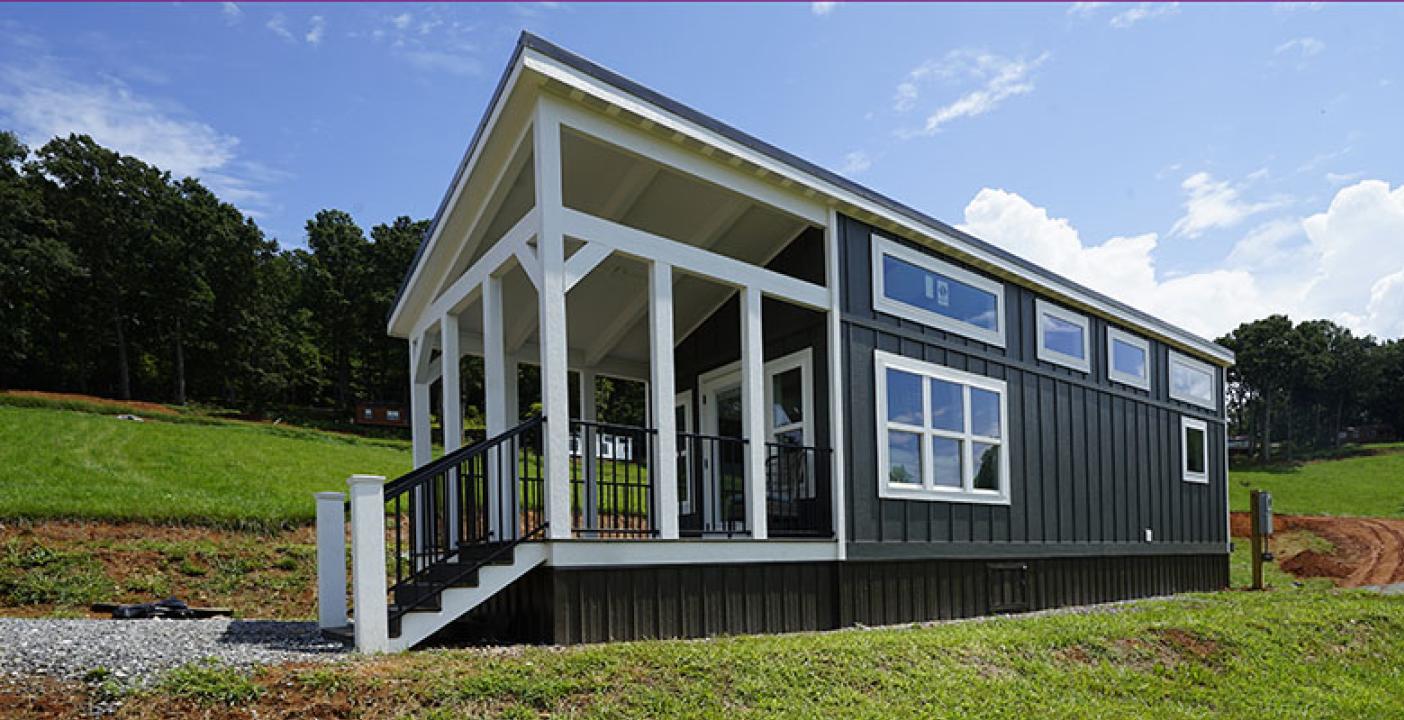
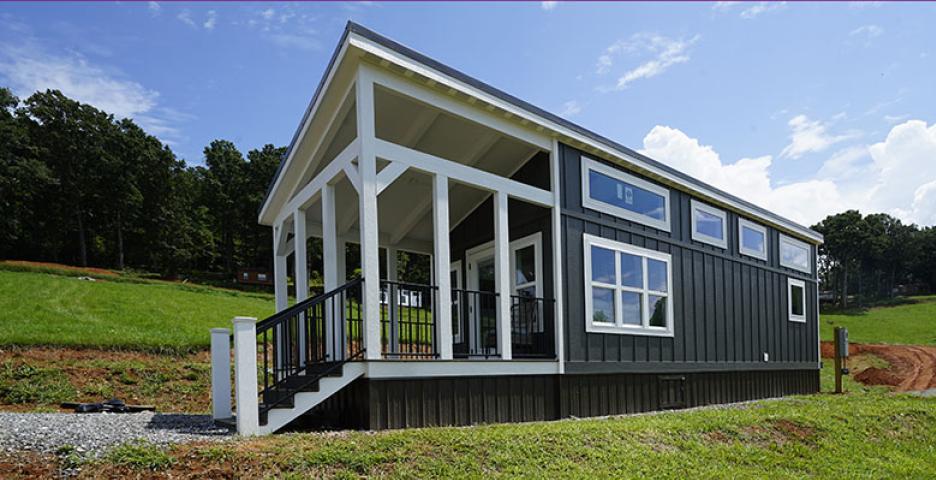
Tiny homes are exactly what they sound like: small, compact houses usually between 100 and 400 square feet. But don't let the size fool you. These little spaces can be cozy, smart, and surprisingly comfortable. More importantly, they can change the way you think about money, stuff, and what really makes a home feel like home.
What Exactly Is a Tiny Home?
A tiny home is any living space that is much smaller than a traditional house. Some sit on a foundation, just like regular homes. Others are built on wheels, which means you can move them from place to place. There are also converted spaces — like old buses, shipping containers, or even garden sheds — that people have turned into full living quarters.
The key idea behind tiny home living is not just having less space. It is about being more intentional. Every corner counts. Every item you own has a purpose. There is simply no room for things you do not need.
Why Are People Choosing Tiny Homes?
The reasons vary from person to person, but a few common ones keep coming up.
Money. This is the big one. A tiny home costs a fraction of what a regular house costs. Some people build their own for as little as $20,000 to $50,000. Even buying a pre-built one is far cheaper than a traditional mortgage. Lower costs mean less financial stress and more freedom to spend on experiences rather than walls and rooms.
Simplicity. Life in a tiny home forces you to let go of clutter. You cannot hold on to things you do not use because there is simply nowhere to put them. Many tiny home dwellers say this simplicity brings them peace of mind they never had in a bigger space.
Environmental impact. Smaller homes use less energy to heat and cool. They have a smaller footprint on the land. For people who care about living more sustainably, a tiny home is a practical step in the right direction.
Freedom. If your home is on wheels, you can take it wherever life leads you. Mountains, beaches, forests — your backyard can change with the seasons.
What to Know Before You Jump In
Tiny home living sounds dreamy, but it comes with real challenges too. Here is what beginners need to think about before making the move.
Zoning laws and parking rules. This is often the trickiest part. Not every city or town allows tiny homes, especially those on wheels. You need to research local laws carefully. Some areas have communities designed specifically for tiny homes, which can make this much easier.
Downsizing your stuff. Moving into a tiny home means getting rid of a lot of things. This process can be emotional. Start early. Go through your belongings room by room and ask honestly — do I use this? Do I love this? If the answer is no, it is time to let it go.
Storage and organization. Tiny homes are designed with clever storage in mind. Look for homes with built-in shelves, loft sleeping areas, foldable furniture, and hidden compartments. Multi-purpose items are your best friends — a table that folds into a wall, a couch with storage underneath, stairs with drawers inside.
Utilities and off-grid options. Some tiny homes connect to regular water and electricity. Others run off solar panels, rainwater collection, and compost toilets. Think about what kind of setup matches your life>
Living with others. Sharing a tiny home with a partner or children is a very different experience than living alone in one. Communication matters a lot. Personal boundaries become important when personal space is limited.
How to Get Started
Start by visiting tiny homes in person if you can. Many tiny home builders offer tours. You can also find online communities where people share their experiences, floor plans, and honest advice.
Spend a weekend in a tiny home rental before committing. Many are listed on vacation platforms. This will tell you very quickly whether the life>
If you decide to go ahead, plan your budget carefully. Include the cost of land or a parking spot, hookups, and any customizations you want.
Final Thoughts
Tiny home living is not for everyone — and that is okay. But for those who feel weighed down by big expenses, too much stuff, or just a longing for something simpler, it can be a genuinely life-changing choice.
You do not need a big house to live a big life. Sometimes, all it takes is the courage to think small.