In modern manufacturing, accuracy is not optional—it is essential. Industries such as automotive, aerospace, medical devices, and engineering rely heavily on precision components. Even a small deviation can lead to product failure, safety risks, or financial loss. This is where the cnc inspection machine plays a vital role in maintaining quality standards and ensuring every manufactured part meets exact specifications.
This article explains what CNC inspection machines are, how they work, their benefits, and why they are becoming a critical part of advanced manufacturing systems.
What is a CNC Inspection Machine?
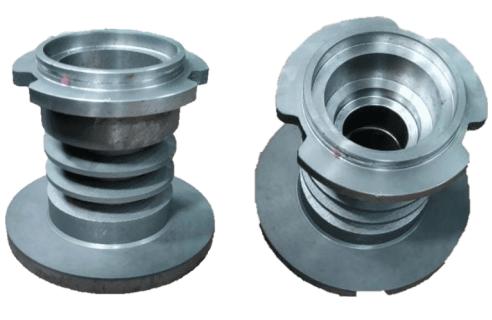
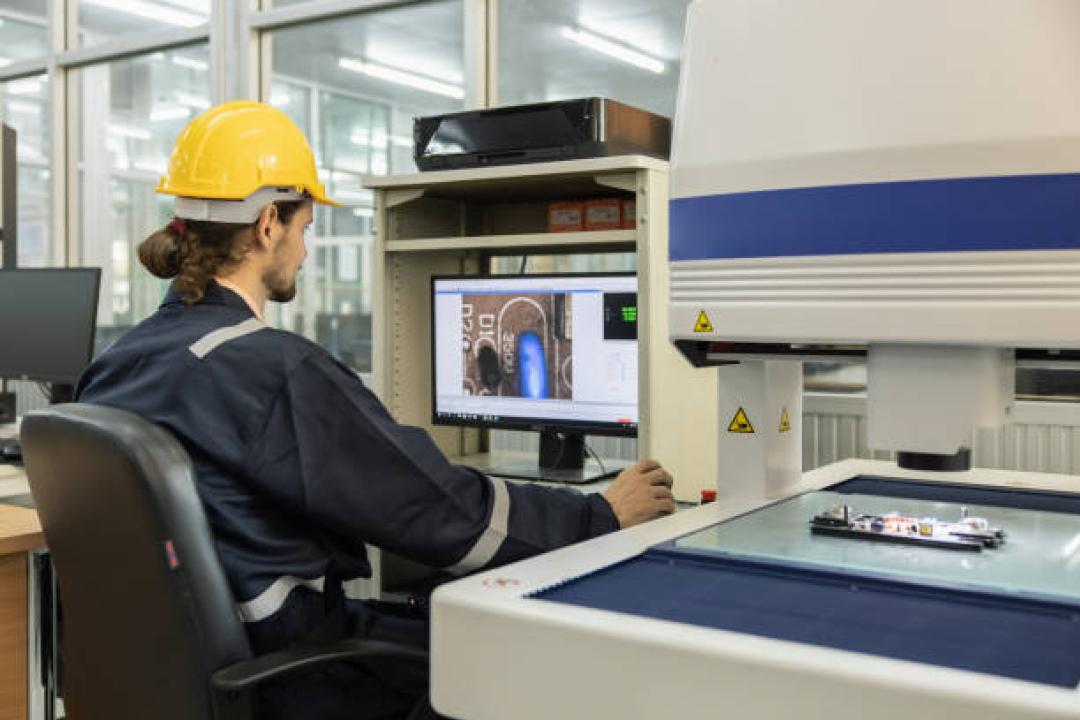
A CNC inspection machine is a high-precision measurement system used to verify the accuracy of machined parts produced by CNC (Computer Numerical Control) machines. These inspection systems compare finished components against digital design models (CAD files) to ensure they match exact tolerances.
Unlike manual inspection tools, CNC inspection systems are automated, highly accurate, and capable of detecting even microscopic deviations.
They are commonly used in:
Automotive component manufacturing
Aerospace engineering
Medical instrument production
Industrial machinery fabrication
How CNC Inspection Machines Work
The working process of a CNC inspection machine involves advanced sensors, software, and mechanical precision. Here’s a simplified breakdown:
1. Loading the Component
The manufactured part is placed on the inspection table or fixture.
2. Data Capture
High-precision probes, lasers, or optical sensors scan the object. These tools collect detailed dimensional data.
3. Digital Comparison
The system compares the scanned measurements with the original CAD design file.
4. Error Detection
Any deviation from the standard specifications is highlighted, including:
Dimensional errors
Surface irregularities
Alignment issues
5. Report Generation
A detailed inspection report is generated for quality control teams, helping them make decisions about acceptance or rejection of the part.
Types of CNC Inspection Machines
Different industries use different inspection systems depending on accuracy requirements and production scale.
1. Coordinate Measuring Machines (CMM)
These are the most common CNC inspection systems used for high-precision measurements in 3D space.
2. Optical Inspection Systems
These use cameras and image processing technology to inspect surface quality and dimensions without physical contact.
3. Laser Scanning Systems
Laser-based systems are ideal for fast and accurate scanning of complex geometries.
4. Automated Vision Inspection Systems
These are widely used in mass production lines for quick quality checks.
Benefits of Using CNC Inspection Machines
The integration of CNC inspection systems into manufacturing offers several advantages:
1. High Precision
These machines deliver extremely accurate measurements, often within microns.
2. Improved Quality Control
Manufacturers can detect defects early and prevent faulty products from reaching customers.
3. Increased Efficiency
Automation reduces manual inspection time and speeds up production workflows.
4. Reduced Human Error
Since the process is automated, the chances of human measurement errors are significantly minimized.
5. Cost Savings
Early detection of defects reduces material waste and rework costs.
Importance of CNC Inspection in Modern Manufacturing
As industries move toward automation and smart manufacturing, quality assurance has become more data-driven. CNC inspection machines ensure consistency across large production batches.
They also support Industry 4.0 practices by integrating with digital systems, enabling real-time monitoring, reporting, and predictive maintenance.
Without proper inspection systems, even the most advanced CNC machining processes can produce inconsistent results.
Applications Across Industries
The cnc inspection machine is used in multiple sectors where precision is critical:
Automotive Industry
Used to inspect engine parts, gear systems, and braking components.
Aerospace Industry
Ensures structural components meet strict safety and performance standards.
Medical Industry
Verifies surgical tools and implants for accuracy and safety compliance.
Electronics Manufacturing
Checks micro-components and circuit assemblies for precision alignment.
Future of CNC Inspection Technology
The future of CNC inspection is evolving rapidly with the integration of AI, machine learning, and IoT technologies. Smart inspection systems will soon be able to:
Predict manufacturing defects before they occur
Automatically adjust CNC machine settings
Provide real-time cloud-based inspection reports
Improve self-learning quality control systems
This evolution will make manufacturing faster, more accurate, and more reliable.
Extra Tips for Better Quality Control
To maximize the benefits of CNC inspection systems, manufacturers should:
Regularly calibrate inspection machines
Train operators on advanced software tools
Integrate inspection data with production systems
Maintain clean and vibration-free inspection environments
Use multiple inspection methods for critical components
Conclusion
A CNC inspection machine is an essential tool in modern manufacturing that ensures precision, reliability, and consistency. By combining advanced sensors, automation, and digital analysis, it helps industries maintain strict quality standards while improving efficiency.