In the rapidly evolving world of digital commerce, the barrier to entry has never been lower. Anyone with a compelling idea and a modular e-commerce script can launch a storefront in a matter of days. However, as the digital space becomes increasingly crowded, the challenge has shifted from "how do I get online?" to "how do I stay relevant?" The answer, surprisingly, lies in how an online brand handles its physical realities—its inventory, its waste, and its tangible connections with the consumer.
We are entering an era of "Conscious Commerce," where shoppers are no longer satisfied with just the lowest price. They are looking for brands that demonstrate operational efficiency, environmental responsibility, and a genuine appreciation for the customer. To stand out, online stores must move beyond the screen and integrate strategies that address the full lifecycle of a product and the psychological journey of the buyer.
The Economics of Surplus and Sustainability
One of the greatest hidden costs in e-commerce is deadstock—inventory that sits in a warehouse, consuming capital and space. Traditionally, this was a problem solved by aggressive liquidations or, unfortunately, disposal. However, modern consumers are hyper-aware of the environmental impact of retail. Smart online stores are now turning this liability into a brand-building asset.
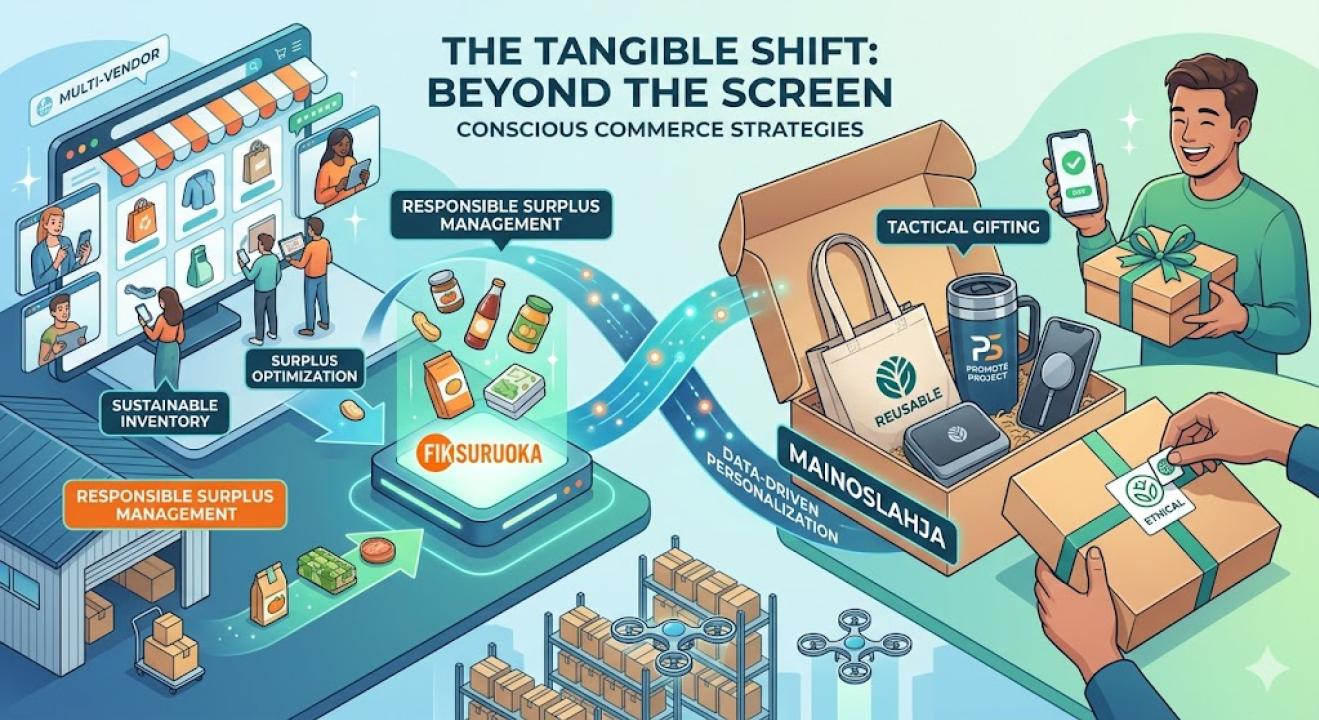
By partnering with platforms that specialize in surplus management, such as the Finnish success story Fiksuruoka, retailers can redirect perfectly good products that might otherwise go to waste due to seasonal changes or short-dated packaging. This doesn't just recover lost revenue; it positions the brand as an ally in the fight against food and product waste. For an e-commerce entrepreneur, integrating this kind of "salvage-first" logic into their supply chain is a powerful way to appeal to the growing demographic of eco-conscious shoppers who value transparency over perfection.
Creating Memorable Physical Touchpoints
While the transaction happens in the digital realm, the emotional peak of the e-commerce experience occurs at the doorstep. The "unboxing" moment is the only time a brand has the customer’s undivided, tactile attention. In a world of generic cardboard boxes, the brands that win are those that provide a "plus-one" experience—something unexpected that rewards the customer for their choice.
This is where the psychology of gifting becomes a potent marketing tool. A high-quality mainoslahja “a promotional gift," that is actually useful can significantly extend the "halo effect" of a purchase. Instead of cheap trinkets that end up in the bin, savvy online stores choose items that integrate into the customer’s daily life, such as a high-quality reusable tote or a branded tech accessory. When a customer uses that item weeks later, it reinforces brand recall in a way that a digital retargeting ad never could, creating a physical bridge between the digital store and the real world.
Data-Driven Personalization in Tactical Gifting
The mistake many online stores make is treating physical gifts as a "one-size-fits-all" bulk endeavor. Just as your email marketing is segmented, your physical surprises should be informed by data. Using the analytics provided by your e-commerce platform, you can tailor your physical outreach based on purchase history or customer lifetime value.
For instance, a customer who frequently purchases high-end skincare might receive a complimentary bamboo headband, whereas a tech-focused buyer might receive a branded webcam cover. This level of thoughtfulness transforms a simple promotional item into a personalized gesture. It shows the customer that the brand isn't just a machine processing orders but a curator that understands their specific needs and interests.
The Logistics of the "Surprise and Delight" Model
Implementing a strategy that involves physical gifts or surplus redirection requires a robust backend. Your e-commerce script must be flexible enough to manage "ghost inventory" (items used for gifting that aren't for sale) and integrate with diverse logistics partners. It’s about creating a seamless flow where the warehouse knows exactly when to slip a specific gift into a package based on the customer’s profile.
Furthermore, managing surplus requires a dynamic pricing engine. If you are moving items that are nearing their expiration or end-of-season, your site needs to be able to update these prices in real-time across all channels. This agility prevents the warehouse from becoming a bottleneck and ensures that your "sustainability" efforts are actually contributing to the bottom line rather than creating more administrative work.
Building Community Through Tangible Values
Beyond the individual transaction, these physical strategies help in building a broader community. When an online store takes a stand on waste or invests in high-quality physical connections, it gives the customers something to talk about on social media. User-generated content (UGC) is the lifeblood of modern e-commerce growth.
Customers are much more likely to share a photo of an unexpected, high-quality gift or a story about how a brand saved products from a landfill than they are to share a standard "order confirmed" screen. This organic advocacy is the most cost-effective form of marketing available. It builds a "moat" around your business that is based on trust and shared values—something that a competitor cannot easily replicate just by lowering their prices or increasing their ad spend.
The Hybrid Path to Scalability
As an online store scales, maintaining this "personal touch" becomes the primary challenge. The solution lies in automation that doesn't feel automated. By using AI to analyze which segments of your audience respond best to different types of physical engagement, you can optimize your spend.
Scaling a business isn't just about getting more traffic; it’s about increasing the value of the traffic you already have. By reducing waste through smart inventory partnerships and increasing retention through thoughtful physical branding, you create a more sustainable business model. You move away from the "leaky bucket" of constant customer acquisition and toward a model where every customer becomes a repeat buyer and a brand ambassador.
Conclusion: The Future of Digital Retail is Holistic
The most successful online stores of the next decade will be those that realize they don't exist solely in the cloud. They exist in the homes, hands, and hearts of their customers. By balancing the efficiency of digital platforms with a deep respect for the physical world—whether through reducing waste or enhancing the unboxing experience—brands can create a truly holistic commerce experience.
Digital tools give us the "how," but our physical strategies give us the "why." In an increasingly automated world, the brands that remember to be human, tangible, and responsible are the ones that will thrive. It is time to look beyond the checkout screen and consider the full impact of your store on the world and the lives of your customers.