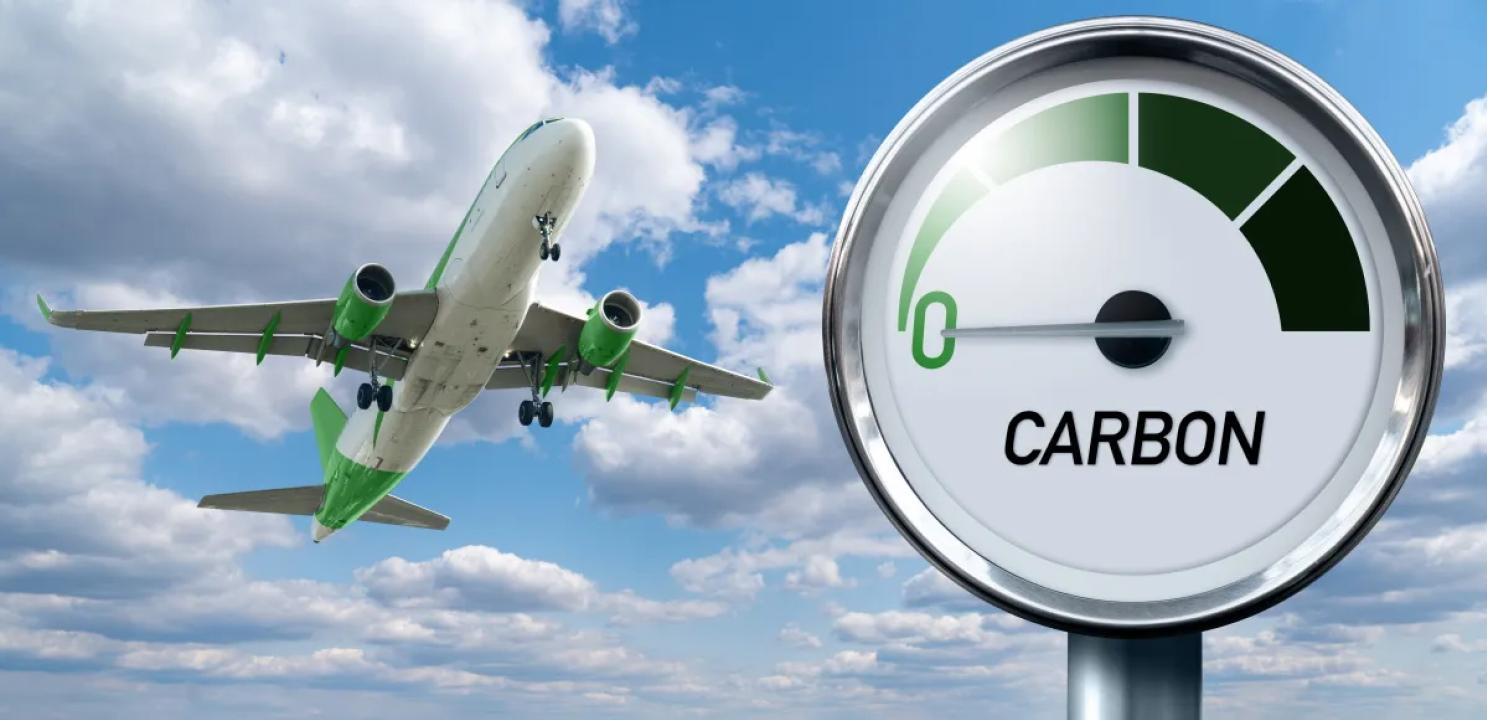
Flying connects the world. Whether it is a business trip across continents or a family reunion thousands of miles away, air travel has become a basic part of modern life. But with that convenience comes a cost, aviation contributes roughly 2 to 3 percent of global carbon dioxide emissions, and when you add other effects like contrails and nitrogen oxides, its overall climate impact is considerably higher.
The good news is that the aviation industry is not standing still. A cleaner alternative is already in the skies, and it is gaining serious momentum.
What Is Sustainable Aviation Fuel and Why Does It Matter
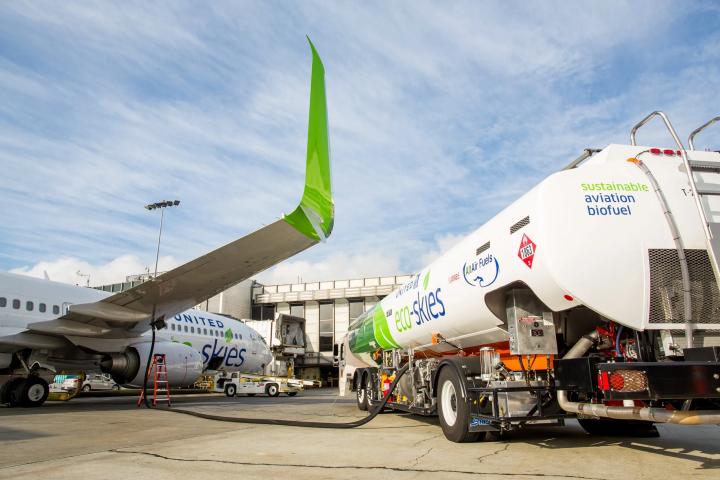
Sustainable Aviation Fuel (SAF) is a cleaner-burning jet fuel made from non-petroleum sources such as agricultural waste, used cooking oil, woody biomass, municipal solid waste, and even captured carbon. Unlike traditional jet fuel, which is refined from crude oil, SAF is produced from materials that would otherwise go to waste or that actively recycle carbon already in the atmosphere.
The most important thing about SAF is that it works in existing aircraft engines without any modifications. Airlines can blend it with conventional jet fuel right now, today, without waiting for a new generation of planes to be built. That makes it one of the most practical tools available for cutting aviation emissions in the near term.
When measured across its entire production and combustion cycle, SAF has the potential to cut carbon output by as much as 80 percent against traditional jet fuel, with the actual savings varying based on what it is made from and how it is processed. That is a transformative number for an industry that has long struggled to find credible pathways to decarbonization.
How It Is Being Used Right Now
The shift toward cleaner aviation is not a future promise. It is already happening.
Case Study 1: United Airlines and Its SAF Commitment
United Airlines has been one of the most aggressive adopters in North America. The airline has invested in sustainable fuel producers and has committed to replacing 100 percent of its jet fuel with SAF by 2050. In 2023, United operated several flights using higher-than-usual SAF blends, demonstrating that commercial aviation on cleaner fuel is not only possible but operationally smooth. Their partnerships with producers like Fulcrum BioEnergy and LanzaJet signal that airlines are willing to put capital behind this transition, not just words.
Case Study 2: Air France-KLM's Blending Program
In Europe, Air France-KLM has been incorporating SAF across a growing share of its operations. The group reached a milestone of 1 percent SAF usage across its flights in recent years, which may sound modest but represents a significant volume given how many flights the group operates daily. More importantly, the airline has structured deals with multiple fuel suppliers to scale that percentage progressively, in line with the European Union's ReFuelEU Aviation regulation, which mandates increasing SAF blends at EU airports over the coming decades.
These examples show that SAF adoption is not theoretical. It is being built into airline operations, supply chains, and long-term contracts.
The Challenges That Still Need Solving
For all its promise, SAF faces real obstacles. The biggest one is cost. At present, the price of SAF runs significantly higher than conventional jet fuel, with costs varying across regions and the method used to produce it. That price gap is a genuine barrier, especially for smaller airlines operating on thin margins.
Supply is the other issue. Global SAF production in 2023 was estimated at around 600 million liters, which sounds like a lot until you realize that the aviation industry burns through roughly 300 billion liters of fuel per year. The gap is enormous. Scaling up production facilities requires capital, time, regulatory clarity, and consistent feedstock supply — none of which is simple to coordinate at a global level.
Policy support matters here. Governments that offer tax incentives, production subsidies, or blending mandates are seeing faster SAF uptake. Countries without those frameworks are falling behind. Bridging this policy gap is one of the central discussions in the industry today.
The Role of Collaboration and Innovation
No single company or government can solve this alone. The path forward runs through partnerships between fuel producers, airlines, airports, technology developers, and policymakers.
New production technologies are also expanding what is possible. Power-to-liquid (PtL) fuels, sometimes called e-fuels or synthetic sustainable fuel, are produced using captured carbon dioxide and green hydrogen. If renewable electricity is used in the process, these fuels can be nearly carbon neutral on a lifecycle basis. They are expensive today, but costs are expected to fall sharply as production scales and technology matures.
Industry gatherings have become a real driver of this progress, turning shared knowledge into concrete commitments. Each year, the global sustainable aviation fuel conference circuit brings together decision-makers, researchers, fuel producers, and airline executives to share data, announce deals, and chart a coordinated course forward. These forums have become essential to keeping momentum alive and translating ambition into action.
What This Means for Passengers
For most travelers, SAF is invisible. You board the same plane, sit in the same seat, and arrive at the same destination. But behind the scenes, the fuel powering that flight may already be partly derived from waste materials that once headed to a landfill.
As production scales and costs fall, SAF will become a larger and larger part of every flight. Some airlines are already offering passengers the option to contribute toward SAF-blended fuel purchases when booking tickets. That kind of transparency helps build the market and signals to the industry that travelers care about how they fly, not just where they fly.
The next era of global air travel will not be defined by faster planes or bigger airports alone. It will be defined by how cleanly and responsibly the world moves through the air.
Frequently Asked Questions
1. Is sustainable aviation fuel safe to use in commercial aircraft?
Yes. SAF meets the same technical specifications as conventional jet fuel and is fully certified for use in commercial aircraft engines. Aircraft and engine systems require no modifications whatsoever, allowing airlines to incorporate it directly into their existing fuel supply.
2. Can SAF completely replace conventional jet fuel today?
Not yet at scale. The volume being produced today remains nowhere near what the aviation industry actually consumes. However, SAF can be blended with conventional fuel right now, and many airlines are already doing so. Full replacement is a longer-term goal, targeted around 2050 by many industry leaders.
3. What raw materials are used to make SAF?
SAF can be produced from a wide range of feedstocks, including used cooking oil, agricultural residues, municipal solid waste, woody biomass, and carbon captured from the atmosphere. The choice of feedstock affects both the carbon savings and the production cost.
4. Does SAF actually reduce carbon emissions meaningfully?
Yes. On a full lifecycle basis, SAF can reduce carbon emissions by up to 80 percent compared to conventional jet fuel. The exact figure depends on the feedstock and the production method used.
5. Why is SAF more expensive than regular jet fuel?
SAF is produced in smaller volumes using more complex processes than petroleum refining. The feedstock collection, processing, and certification all add to the cost. As production scales up and technology improves, prices are expected to come down significantly over the next decade.